Mahama Unveils Vegetable Initiative to Boost Agricultural Output
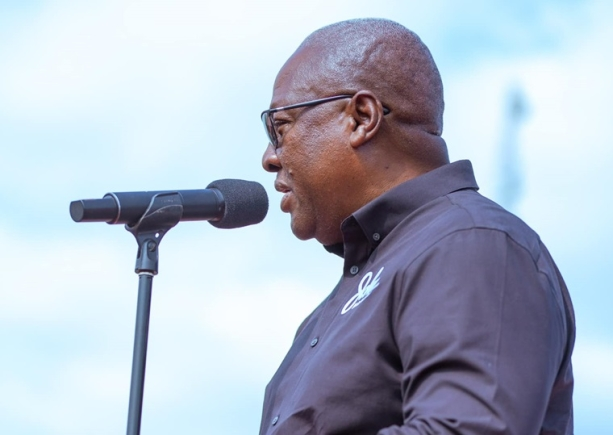
Launch of the Vegetable Development Project in Ghana
President John Dramani Mahama recently launched the Government’s flagship programme, the Vegetable Development Project (Yeredua), at Kukuom in the Ahafo Region. This initiative is a strategic intervention aimed at transforming the vegetable sub-sector, reducing the country's reliance on imports, and enhancing food security.
The launch of the Vegetable Development Project marked another significant step in the Government’s Resetting Agenda. President Mahama reaffirmed the Government’s commitment to expanding infrastructure, supporting smallholder, medium, and commercial farmers, providing mechanisation services, strengthening storage and markets, investing in agro-processing and value chains, and building a resilient, technology-enabled, inclusive agricultural sector.
"With discipline, unity, and a shared sense of purpose, we will feed Ghana, we will grow Ghana, and we will transform Ghana," the President said. He noted that the initiative represented a bold and strategic step under their flagship Feed Ghana Programme, reflecting the collective determination to transform Ghana’s vegetable sub-sector into a competitive, technology-driven industry.
The project was designed to address long-standing structural weaknesses and reposition Ghana as a net vegetable producer. The government aims to build a competitive and sustainable vegetable industry anchored firmly on domestic production. It will expand large-scale and smallholder production of tomatoes, onions, and peppers using improved seed varieties and modern agronomic practices.
In addition, the project will strengthen the entire value chain from input supply and production, to aggregation, storage, processing, and marketing. This will create dignified, predictable jobs, especially for young people, women, and persons with disabilities, and provide irrigation infrastructure required for all-year-round production.
At the heart of this plan is the simple and undeniable truth that without water, vegetable production could not thrive, and without year-round production, the nation could not achieve food security or reduce imports. "This is why irrigation development forms the backbone of the Vegetable Development Project and our overall Feed Ghana Project," the President stated.
The Vegetable Development Project will deliver solar-powered irrigation systems covering 60 hectares of land across six communities. Farmers involved have begun receiving substantial support in the form of improved feeds, organic fertilizer, agronomic training, and digital advisory services.
A committed buyer, Farm Mates, has been introduced to secure predictable markets for all the farmers’ produce. Additionally, a modern packhouse will be constructed to handle the grading, sorting, packaging, and cold chain management of all the vegetables produced. The entire project has been carefully designed to be completed within 12 months.
"This Vegetable Development Project will be replicated in many other parts of the country, especially in the north where water availability is a major challenge at many times of the year," the President stated.
Dr Eric Opoku, the Minister of Food and Agriculture, urged Ghanaians interested in farming to take advantage of the Yeredua project and go into farming. He also reiterated the Government’s commitment to modernise agriculture, create jobs, and stimulate agro-industrial development.
Osahene Nana Kwaku Aterkyi II, the Omanhene of Kukuom, appealed to the President to construct major roads within the Asunafo South District and to complete abandoned projects at the Kukuom Agriculture Senior High School. In addition, the Omanhene requested a bus for the school to ensure the smooth running of the institution.


Comments
Post a Comment