Mapping Nepal's Narratives via Technology
A New Era of Storytelling in Nepal
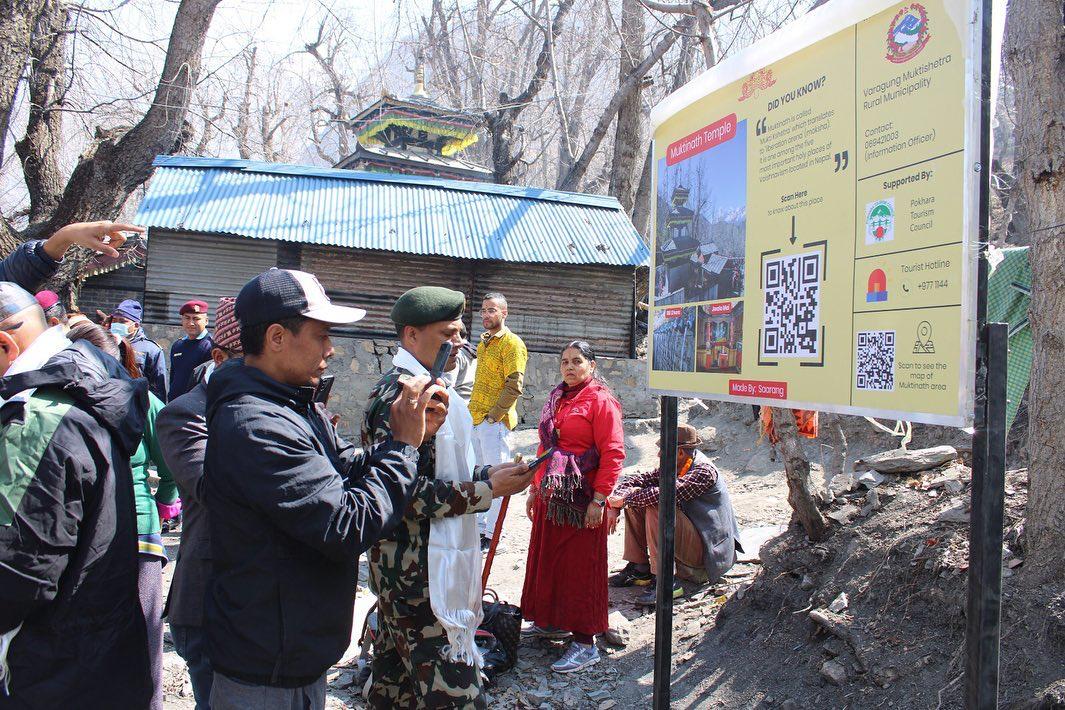
In Kathmandu, the streets are filled with coded boards near temples, shrines, and monuments. These digital installations might seem like just another modern addition to the city's landscape. However, a simple smartphone scan reveals something more: a voice narrating centuries of local history, myths, and traditions.
This innovation is the brainchild of Saarang, a travel-tech company founded by Sachin Dangi and Diwakar Rizal. Saarang is transforming how locals and foreigners experience Nepal's rich cultural and historical heritage. The name "Saarang" is derived from the traditional Nepali string instrument, the saarangi, which was once used by traveling musicians to tell stories through song. This name symbolizes Saarang's mission: to continue Nepal’s storytelling tradition in a modern form across multiple languages.
What started as an experiment has now grown into a network spanning over 250 locations across Nepal, from Budanilkantha to Mustang. These sites bridge centuries-old tales with digital accessibility, making history more accessible than ever before.
Origins of Saarang
The idea for Saarang began during a trip during the Covid-19 lockdown. Dangi recalls traveling with a friend to Chisapani Gadhi, a historical fort near Hetauda. Upon arrival, they found the gates closing, but a priest let them in and shared vivid stories about the Anglo-Nepal War. The experience left a lasting impression on Dangi, who realized that these stories were locked behind physical barriers, limiting access to those who could not speak Nepali or had no one to explain them.
After visiting Patan Durbar Square, where many temples lacked any information, Dangi recognized the need for a new approach. He and Rizal explored various methods, including pamphlets and guide centers, but all had limitations. Eventually, they turned to QR codes, which offered a 24/7 solution without physical constraints.
Expanding Across Nepal
Their first pilot project was in Budanilkantha, where they documented rituals and stories, leading to their first installation. The success of this project sparked further growth, with Saarang expanding to Thamel, Lumbini, Pokhara, and Mustang. Each site required collaboration with local communities, ensuring that the stories reflected the region's unique culture and language.
Saarang's team includes contributors who record narratives in regional languages such as Newa, Maithili, Limbu, and Magar. For foreign languages, they use Amazon Polly, a text-to-speech system that provides lifelike audio. This approach ensures that visitors from around the world can access the stories in their preferred language.
Challenges and Growth
Turning Saarang into a registered enterprise was not without its challenges. Dangi faced bureaucratic hurdles, including high costs and complicated procedures. Despite these obstacles, the team remained focused on their mission.
Saarang's expansion followed a clear roadmap, starting with major tourism hubs like Kathmandu, Pokhara, and Lumbini. They then connected routes between these areas, installing boards in Bandipur, Manakamana, and Mustang. The company also developed a mapping system that suggests nearby destinations after scanning a location.
One standout site is Thini village in Mustang, where Saarang documented an entire trail. The stories there—about the yak dance, the selection of the Mukhiya, and the origins of apple farming—are interconnected, creating a cohesive narrative along the route.
Future Plans and Vision
Saarang is now developing an AI-powered travel app, expected to launch later this year. This app will use localized data to create customized itineraries, helping places like Thini attract more visitors. Dangi envisions a future where technology enhances the travel experience, integrating Nepal into the global tourism-tech map.
In August, Saarang organized 'Nomads Basecamp' in Pokhara, aiming to position Nepal as a digital nomad destination. The event brought together people from around the world, collecting valuable data on what Nepal needs to develop as a nomad hub.
A Broader Perspective
Reflecting on his journey, Dangi remains pragmatic. He emphasizes that technology is a tool, not the final product. The end goal is to provide an enriching experience, not just a website or app.
Dangi believes young entrepreneurs in Nepal need early exposure to professional systems. He suggests starting internships early to understand formal work processes and thinking beyond local boundaries when building ideas.
Saarang's story is one of innovation, perseverance, and a deep respect for Nepal's cultural heritage. As the company continues to grow, it promises to bring the past into the present, one story at a time.


Comments
Post a Comment