NESREA and Ogun Close Six Recycling Plants for Environmental Violations
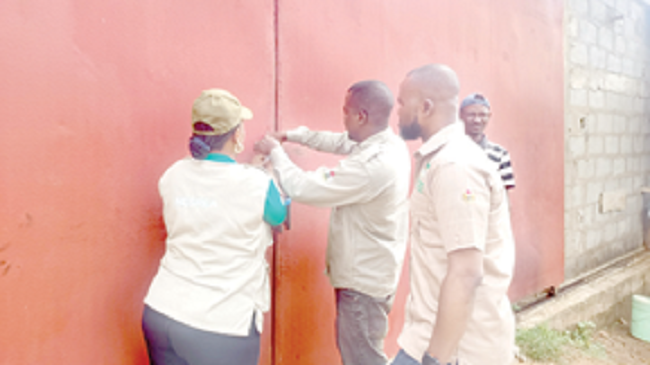
NESREA Seals Six Recycling Facilities in Ogun State
The National Environmental Standards and Regulations Enforcement Agency (NESREA) has taken decisive action against non-compliant recycling facilities in the Ogijo community of Ogun State. On Thursday, six recycling facilities were sealed due to their failure to adhere to the National Environmental (Battery Control) Regulations 2024 and a protocol developed by NESREA to ensure the environmentally sound management of used lead-acid batteries (ULABs).
This enforcement action underscores growing concerns about unsafe recycling practices that can release toxic lead and heavy metals into the environment. These substances pose serious risks to public health and ecological integrity.
Compliance and Safety Measures
According to Nwamaka Ejiofor, Assistant Director (Press) at NESREA, the sealing of the six facilities was part of an ongoing effort to hold operators accountable for their environmental responsibilities. The agency has plans to take further actions against other non-compliant operators in the future.
Under the established protocol, recycling facilities are required to manage ULAB slag and base metal residue in a safe, environmentally sound, and socially responsible manner. This includes prioritizing staff health and safety through measures such as annual blood lead testing and the provision of Personal Protective Equipment (PPE).
Additionally, recyclers are expected to conduct annual environmental impact audits on surrounding communities, transition to cleaner recycling technologies, and participate in pilot projects for the reuse of slag as raw materials for bricks and cement.
Historical Context and Previous Actions
Ogijo, a major hub for battery recycling, has long been plagued by complaints related to lead contamination, soil degradation, and air pollution. These issues stem from improper handling of battery waste, which has raised significant concerns among residents and environmental watchdogs.
In September 2025, NESREA had already sealed nine battery recycling facilities in Ogijo for similar violations under the 2024 regulations. These included improper handling of slag, lack of fume-treatment plants, and failure to conduct blood-lead testing for workers.
The September 2025 enforcement was part of a broader crackdown by NESREA across South-West Nigeria, covering Ogun, Ekiti, Osun, and Lagos states. During this period, 29 recycling facilities were closed for environmental infractions.
Slag Evacuation Programme
Following these actions, NESREA and its partners launched a formal “slag evacuation” programme in Ogijo to remove toxic battery residues and align local practices with international environmental standards.
This initiative is part of the Project for Responsible Battery and Metal Recycling (PROBAMET), which involves collaboration between NESREA, the Ogun State Government, and other stakeholders. The project aims to promote best practices in recycling and ensure that environmental and health standards are met.
Ongoing Challenges and Future Steps
Despite these efforts, challenges remain in ensuring full compliance with environmental regulations. The recurring issue of non-compliance highlights the need for continuous monitoring, education, and enforcement.
NESREA continues to emphasize the importance of responsible recycling practices and the role of all stakeholders in protecting public health and the environment. The agency remains committed to taking necessary actions against those who fail to meet these standards.
As the situation evolves, it is crucial for the community, industry players, and regulatory bodies to work together to address the environmental and health risks associated with improper battery recycling.


Comments
Post a Comment