Newcomer Wins East Japan Mayoral Election via Lottery After Vote Tie
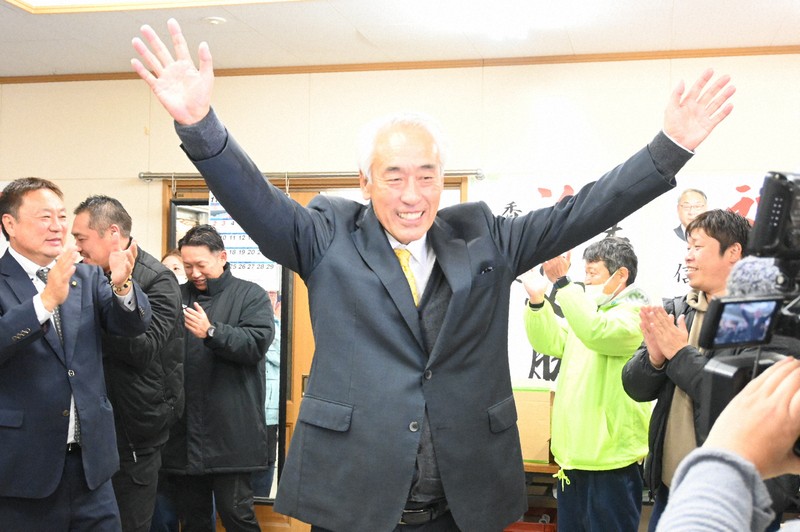
A Unique Election Outcome in Kamisu, Ibaraki
In a surprising turn of events during the mayoral election held in Kamisu, Ibaraki Prefecture on November 9, a newcomer candidate emerged victorious through a lottery system after both candidates received an equal number of votes. This unique outcome highlights the peculiarities of the electoral process in Japan and the role of chance in political decisions.
The Candidates and the Tie
The two leading candidates in the race were Toshiyuki Kiuchi, a 64-year-old former city assembly member, and Susumu Ishida, the incumbent mayor who was seeking his third term. Both candidates received exactly 16,724 votes, resulting in a tie that could not be resolved through conventional means. According to the Public Offices Election Act, when a tie occurs, the winner is determined by a lottery system conducted by the election chairperson.
The Lottery Process
After a preliminary draw to determine the order of the lottery, the final draw was carried out, and the result was announced. Toshiyuki Kiuchi was declared the winner, marking a significant shift in the leadership of Kamisu. This method of resolving ties is rare but legally mandated in cases where the vote counts are identical.
Voter Turnout and Election Details
On the day of the election, there were 76,130 eligible voters registered in Kamisu. However, the total number of valid votes cast for the two candidates was 33,448, with 219 invalid votes recorded. This resulted in a voter turnout of 44.22%, which is considered a record low for this particular election. The low turnout raises questions about the level of public engagement and interest in the local political process.
Implications of the Result
The outcome of this election has sparked discussions about the effectiveness of the current electoral system and the role of chance in determining leadership. While the lottery system ensures fairness in the event of a tie, it also underscores the importance of voter participation in ensuring that the will of the people is accurately reflected in the results.
Conclusion
The mayoral election in Kamisu serves as a unique example of how unexpected circumstances can shape political outcomes. The use of a lottery to decide the winner highlights the legal framework in place to handle such situations, while the low voter turnout prompts reflection on the need for increased civic engagement. As the new mayor takes office, the focus will likely shift to addressing the challenges facing the city and rebuilding trust among its residents.


Comments
Post a Comment