Nuclear Power: Rwanda's Path to Global Energy Advancement
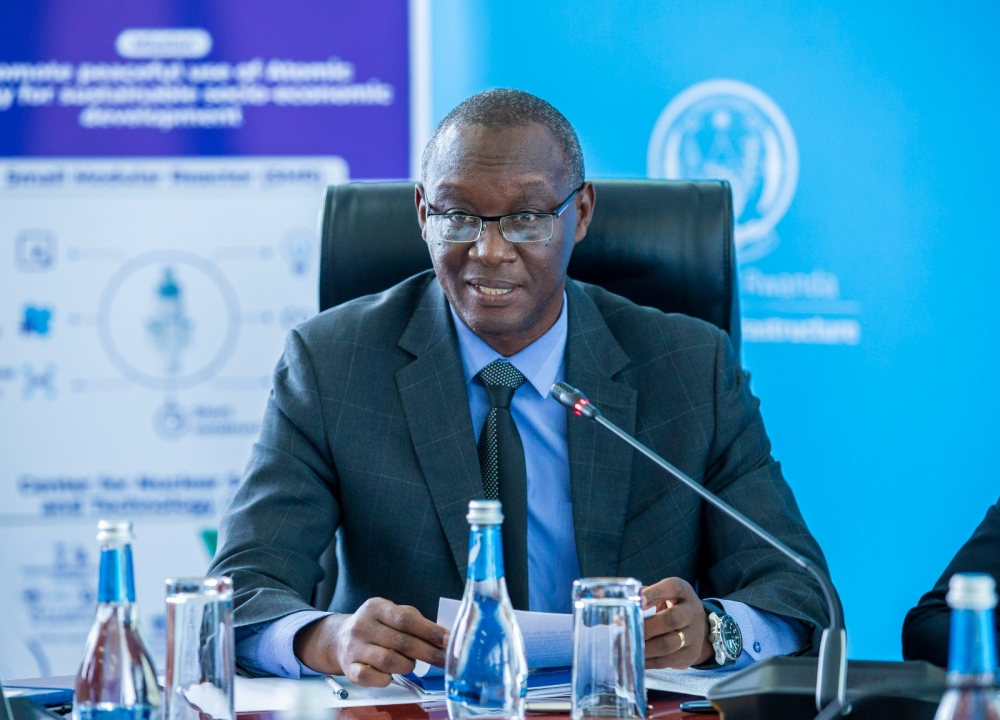
Rwanda Joins Global Effort to Expand Nuclear Energy
At the 30th UN Climate Conference (COP30) in Brazil, Rwanda made a significant move by signing the International Declaration to Triple Global Nuclear Energy Capacity by 2050. This declaration is seen as a critical step for the country, as it aims to secure financial support and access to advanced nuclear technologies. The Rwanda Atomic Energy Board (RAEB) believes that this commitment will position Rwanda as a key player in the global transition towards clean energy.
The declaration recognizes nuclear energy as a vital component in achieving global net-zero emissions. It seeks to reduce further pollution and promote sustainable development. With the addition of new signatories such as the United States, France, South Korea, Rwanda, and Senegal, the number of supporting countries has reached 33.
Strategic Advantages for Rwanda
Prof. Fidèle Ndahayo, CEO of RAEB, highlighted the strategic and practical benefits of joining the declaration. He emphasized that Rwanda could benefit from more resilient global nuclear supply chains and enhanced international support for safe, secure, and sustainable nuclear deployment. The declaration also opens up opportunities for increased access to advanced reactor technologies, strengthened technical cooperation, and improved financing options for newcomer countries.
Sama Bilbao y León, Director General of the World Nuclear Association, praised Rwanda’s bold ambitions in nuclear energy. She stated that these efforts align with the global community’s push for a faster transition to clean, reliable, and accessible energy sources. “We are keen to have Rwanda join this coalition,” she said.
Why Nuclear Energy Matters for Rwanda
Rwanda's endorsement of the declaration aligns with its long-term development goals, which include growing its industries and protecting the country from the impacts of climate change. Nuclear power is recognized worldwide as the second-largest source of clean and steady electricity. Prof. Ndahayo pointed out that nuclear energy supports the diversification of Rwanda’s national energy mix, ensures a stable and predictable electricity supply for emerging industries, and contributes to long-term low-carbon development goals.
Focus on Small Modular Reactors
Rwanda is currently designing its first nuclear power program, with a focus on Small Modular Reactors (SMRs). These emerging technologies are known for their safety features and lower costs. The government plans to establish different nuclear power reactors capable of producing 110 MW of electricity within 10 years, starting from 2025.
Benefits of Nuclear Energy
Nuclear energy offers several advantages for Rwanda:
- Diversification of Energy Mix: By incorporating nuclear power into its energy strategy, Rwanda can reduce its reliance on other energy sources, ensuring a more balanced and resilient energy supply.
- Stable Electricity Supply: Nuclear power provides a consistent and predictable electricity supply, which is essential for supporting industrial growth and economic development.
- Low-Carbon Development: As a clean energy source, nuclear power helps Rwanda meet its environmental goals and contribute to global efforts to combat climate change.
Future Prospects
With the signing of the declaration, Rwanda is positioning itself as a leader in the global nuclear energy movement. The country’s focus on SMRs and its commitment to sustainable development demonstrate a forward-thinking approach to energy planning. As Rwanda moves forward with its nuclear energy program, it is expected to benefit from international collaboration, technological advancements, and increased financial support.


Comments
Post a Comment