One in Five California College Students Can't Write Properly, New Data Shows
Rising Concerns in Academic Preparedness
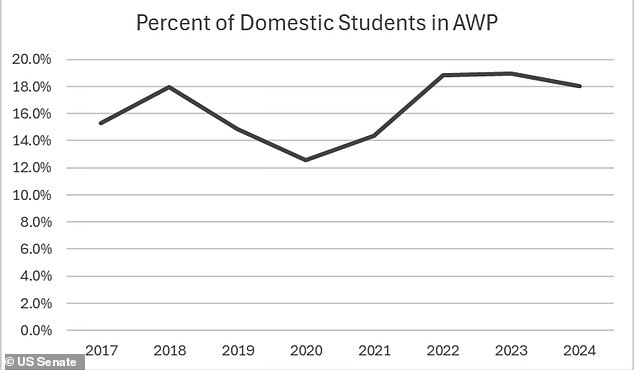
A recent report has highlighted a growing issue among incoming students at the University of California, San Diego (UC San Diego). It revealed that approximately one in five students entering the university lack the basic writing skills required for college-level coursework. This deficiency led to many being placed in specialized analytical writing courses, known as AWP (Analytical Writing Program), after failing to meet the standards set by the university's writing placement exam.
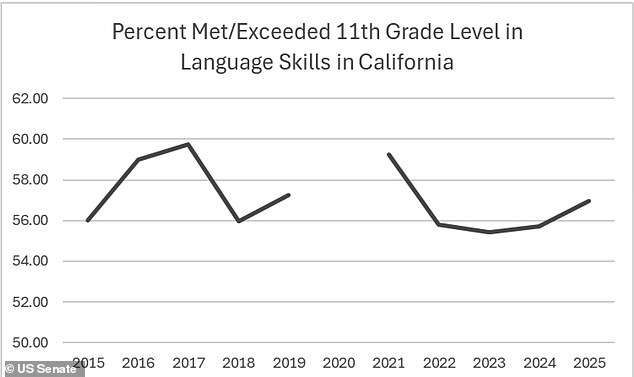
The findings from the UC San Diego admissions committee suggest that writing and literacy skills are declining across the United States. According to the faculty, the vocabulary of incoming freshmen is increasingly limited, making it difficult for them to engage with complex texts. The report noted a significant drop in the academic preparation of domestic first-year students, raising concerns about the long-term impact on educational outcomes.
One of the key challenges identified in the report was the risk of admitting students who are not adequately prepared for college-level work. The report stated, "Admitting large numbers of students who are profoundly underprepared risks harming the very students we hope to support, by setting them up for failure." To address this, the report proposed moving beyond traditional metrics like GPA and high school course titles to better assess students' readiness for college writing.
Expanding Challenges Beyond Writing
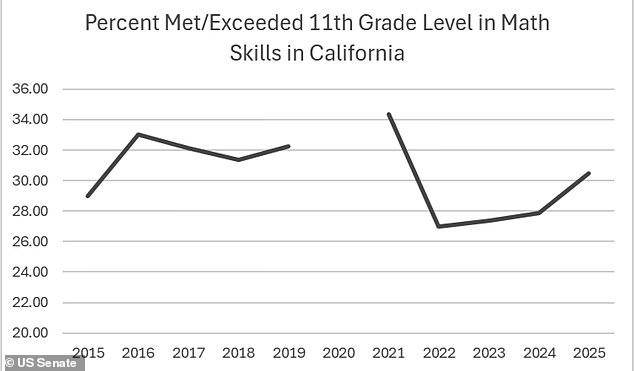
While the focus on writing skills is critical, the report also pointed out that other areas require increased attention. Math skills among incoming students have also seen a sharp decline. In 2025, about one in eight first-year students had math abilities below the middle-school level. Some even exhibited knowledge gaps dating back to elementary school.
In response, UC San Diego redesigned one of its math courses to focus exclusively on Common Core subjects from grades 1 through 8. A new class was introduced to address any missing concepts from high school math. These changes reflect the growing need for targeted academic support, especially as language deficiencies and math weaknesses began to overlap more frequently in recent years.
Linking Decline to the Pandemic and Other Factors
The report linked the decline in academic performance to the impact of the COVID-19 pandemic. Online learning during the pandemic led to a well-documented decline in student preparedness. The report emphasized that recovering from this setback will take several years.
Other contributing factors include the elimination of standardized testing and an increase in admissions from under-resourced high schools. Grade inflation was also cited as a significant issue, with the report noting that during the pandemic, grade inflation and lowered standards in California high schools likely accelerated. The shift from letter grades to pass/fail systems made it difficult to objectively evaluate students, leading to less reliable transcripts as a measure of academic success.
Despite these challenges, the report stressed that high school curriculums are not entirely useless in assessing student preparation. However, universities now need to evaluate information more carefully and consider multiple factors when assessing student readiness.
Broader Implications for Higher Education
The issues faced by UC San Diego are not isolated. Other universities across the United States, including some of the most prestigious institutions, have also struggled with surging grades but lower academic standards. Harvard, for instance, has proposed capping the number of A grades awarded to undergraduate students. The university reported that over 60% of current grades are As, which it described as "too compressed and too inflated."
Harvard’s proposed grading change would introduce a select number of A+ grades, which would be higher than the current maximum of an A. The report also found that while students are working as hard as ever, the grading system may be undermining academic integrity.
This trend raises important questions about the balance between academic rigor and diversity goals. Are universities compromising quality to meet enrollment targets? Could the rise in top grades negatively affect less prestigious institutions? And could restricting A+ grades help restore academic standards?

The Path Forward
As universities grapple with these challenges, the need for a more nuanced approach to evaluating student readiness becomes increasingly clear. Institutions must find ways to ensure that students are not only admitted but also equipped to succeed. This requires a reevaluation of traditional metrics and a commitment to providing the necessary support for students who may be underprepared.
The future of higher education depends on addressing these issues head-on. By focusing on comprehensive assessments and targeted interventions, universities can help students thrive rather than struggle. The path forward will require collaboration, innovation, and a renewed focus on academic excellence.


Comments
Post a Comment