Overpacked Carry-Ons and Secret Airport Purchases Aboard
The Growing Issue of Oversized and Overweight Carry-Ons
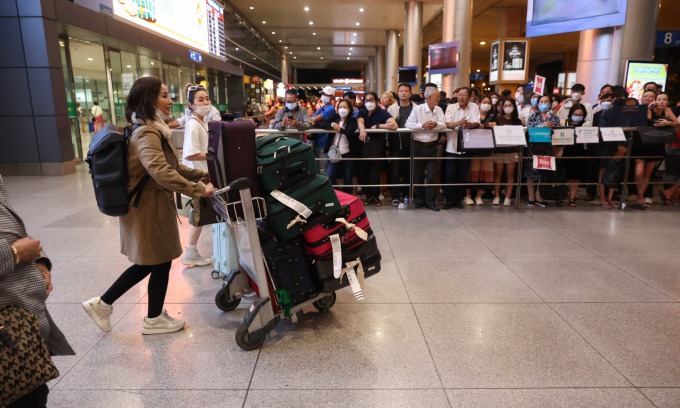
In recent years, there has been a noticeable trend among passengers who bring carry-ons that are either too large or too heavy for the overhead bins. This has led to situations where airline staff have to physically lift these bags into the cabin, creating unnecessary delays and added stress for everyone involved. Additionally, some travelers attempt to fit extra purchases into their already full luggage, further complicating the process.
This issue has become more prominent as airlines introduce stricter policies regarding carry-on baggage. For example, Vietnam Airlines recently announced that it will start charging for hand baggage that exceeds the prescribed size or weight from November 3, citing "safety reasons and efforts to improve the passenger experience." However, this policy has sparked a wave of negative reactions from passengers, with many criticizing it as "difficult," "unfair," and an example of airlines taking advantage of travelers.
A Necessary Step for Safety and Efficiency
While some may view these changes as purely profit-driven, I believe they are essential for maintaining safety and operational efficiency. As someone who frequently travels for work, I have witnessed firsthand the challenges posed by oversized and overweight luggage. At boarding gates, I have often seen passengers with suitcases and backpacks so heavy that ground staff must assist in lifting them into the overhead bins.
Many passengers also try to sneak in additional items, such as airport purchases, without considering the weight limits. This behavior leads to overcrowded overhead compartments, forcing staff to rearrange luggage and causing frustration for latecomers who struggle to find space for their bags.
One particular incident stands out in my memory. A flight was delayed by 20 minutes because a passenger refused to check an overweight bag and instead argued with a flight attendant. This delay affected all passengers on board, yet it was not the airline’s fault—it was caused by a traveler who did not follow the rules.
International Standards and Passenger Expectations
Tightening carry-on rules is not solely about generating revenue; it is about ensuring safety and fairness for all passengers. Many international carriers have long enforced similar policies. For instance, Singapore Airlines and Japan Airlines weigh carry-ons at the gate, and even a few extra grams can result in a bag needing to be checked. Their passengers generally accept these rules because they understand that they are in place for safety and fairness, not inconvenience.
In contrast, Vietnamese carriers have historically been more lenient when it comes to weight limits, which has created a habit among passengers who assume that "a little extra is fine." Now that airlines are tightening enforcement, some travelers are reacting negatively, even though the policy is simply a return to standard practice.
The Importance of Compliance
A plane ticket is not just a ticket to sit on a flight; it is an agreement to follow rules that ensure the safety of everyone on board. If a carry-on exceeds the allowed weight or size, paying an extra fee is reasonable—no different from purchasing an extra seat or an extra cup of coffee.
Packing light and adhering to the rules not only saves time but also shows respect for the crew and fellow passengers. If every traveler follows these guidelines, flights would be smoother, safer, and more civilized overall.
Conclusion
While the introduction of fees for oversized or overweight carry-ons may seem inconvenient, it is a necessary step toward improving the overall travel experience. By following these rules, passengers contribute to a more efficient and respectful environment for everyone. It is time for travelers to embrace these changes and recognize that safety and fairness should always come first.


Comments
Post a Comment