PM and Mayor Clash Over Jongmyo Skyscraper Plan
The Debate Over High-Rise Construction Near a World Heritage Site
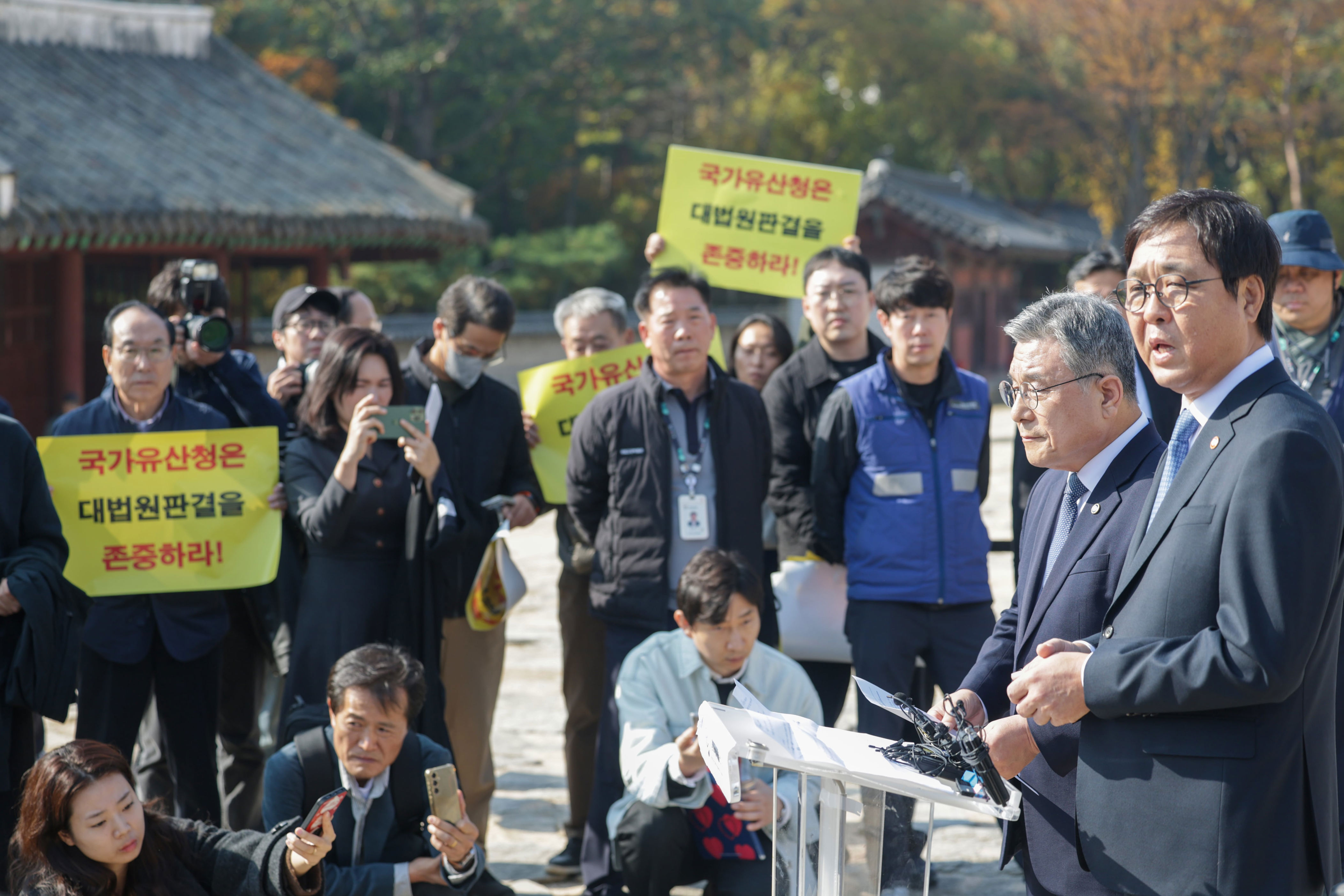
The decision by Seoul City to permit the construction of high-rise buildings in Sewoon District 4, located just 170 meters from the UNESCO-designated World Heritage Site Jongmyo, has sparked significant controversy. Minister of Culture, Sports and Tourism Choi Hwi-young and Korea Heritage Service Director Heo Min have publicly stated that they will take all possible measures to prevent this development. Prime Minister Kim Min-seok has also joined the opposition to the project, highlighting concerns about the potential impact on the cultural and historical significance of the site.
Seoul Mayor Oh Se-hoon, however, has proposed a public debate with the Prime Minister, arguing that the city’s redevelopment project will actually enhance the value of Jongmyo. This disagreement has brought the issue into the spotlight, with both sides presenting their arguments regarding the balance between urban development and heritage preservation.
Concerns About the Impact on Cultural Heritage
Prime Minister Kim expressed his concerns on Facebook, stating that Jongmyo is in crisis. He linked the recent controversy surrounding former first lady Kim Keon-hee's tea meeting at the site with the proposed redevelopment plans. Kim emphasized that the debate over the development of the World Cultural Heritage Site is not simply a conflict between development and preservation but requires culturally sustainable solutions that harmonize historical value with modern needs.
He highlighted the importance of Jongmyo, often referred to as the Parthenon of the East, and noted that the view of Namsan from the Jongmyo-Changgyeong Belt is considered one of the best. Kim warned that constructing high-rise buildings near the site could harm this scenic view and undermine the “outstanding universal value” of the heritage site.
Legal and Institutional Considerations
Despite the Supreme Court ruling that the Seoul City Council’s revision of ordinances easing construction regulations around cultural heritage sites was legal, Prime Minister Kim argued that this does not address all issues related to the construction of ultra-high-rise buildings near World Heritage Sites. He announced plans to visit Jongmyo with officials from the National Museum of Korea, the Korea Heritage Service, and urban planning experts to assess the situation firsthand.
Kim also committed to initiating legal and institutional supplements to properly address the issue. He proposed opening a public forum to resolve the matter from the perspectives of K-Culture, K-Tourism, and K-Heritage, emphasizing the need to avoid becoming a “cultural small nation” that harms the future of a cultural powerhouse.
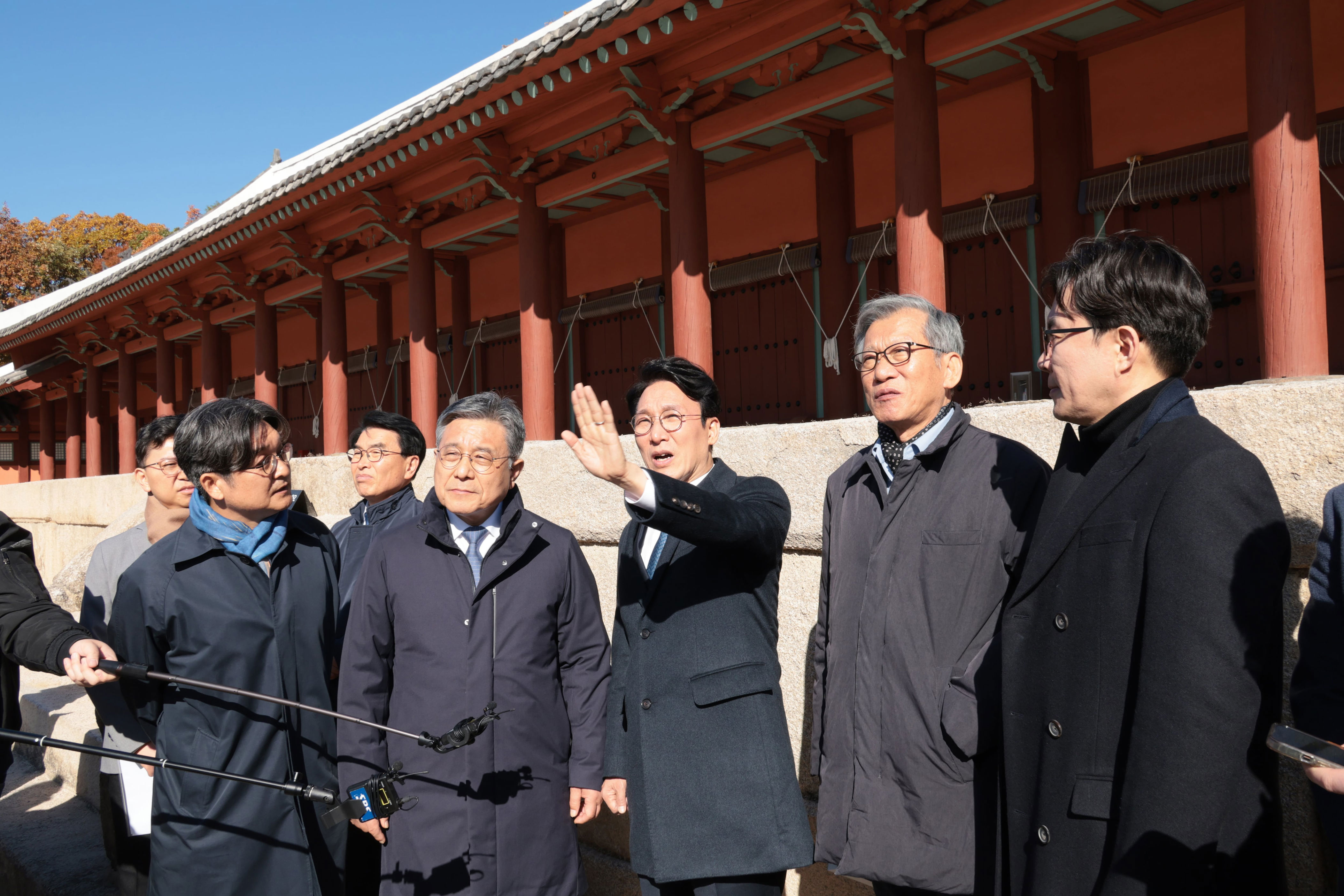
A Personal Visit to Jongmyo
After visiting Jongmyo, Prime Minister Kim expressed how special the site is, noting that constructing high-rise buildings in front of it would block the view, make the area feel suffocating, and suppress its spirit. He acknowledged the public's concerns, particularly following the recent controversies involving the former first lady, which had left many feeling insulted.
Kim emphasized that the question of whether to develop the area near Jongmyo should be a national discussion rather than a unilateral decision by Seoul City. He called for a broader dialogue on what kind of city Seoul should become—one where history and the future coexist.
Counterarguments from Seoul Mayor Oh Se-hoon
In response, Seoul Mayor Oh Se-hoon proposed a public debate to determine which stance—between the government and Seoul City—is the short-sighted view. He urged Prime Minister Kim to visit the entire Sewoon Plaza area, suggesting that a sober look at the current state of the district would reveal the need for redevelopment.
Oh explained that the Sewoon Plaza area, covered with shanty roofs for nearly 60 years, has been in a dire condition. He cited an incident in 2023 where a local merchant was seriously injured when an old building wall collapsed, questioning whether it is reasonable to leave such an area in front of a globally visited site.
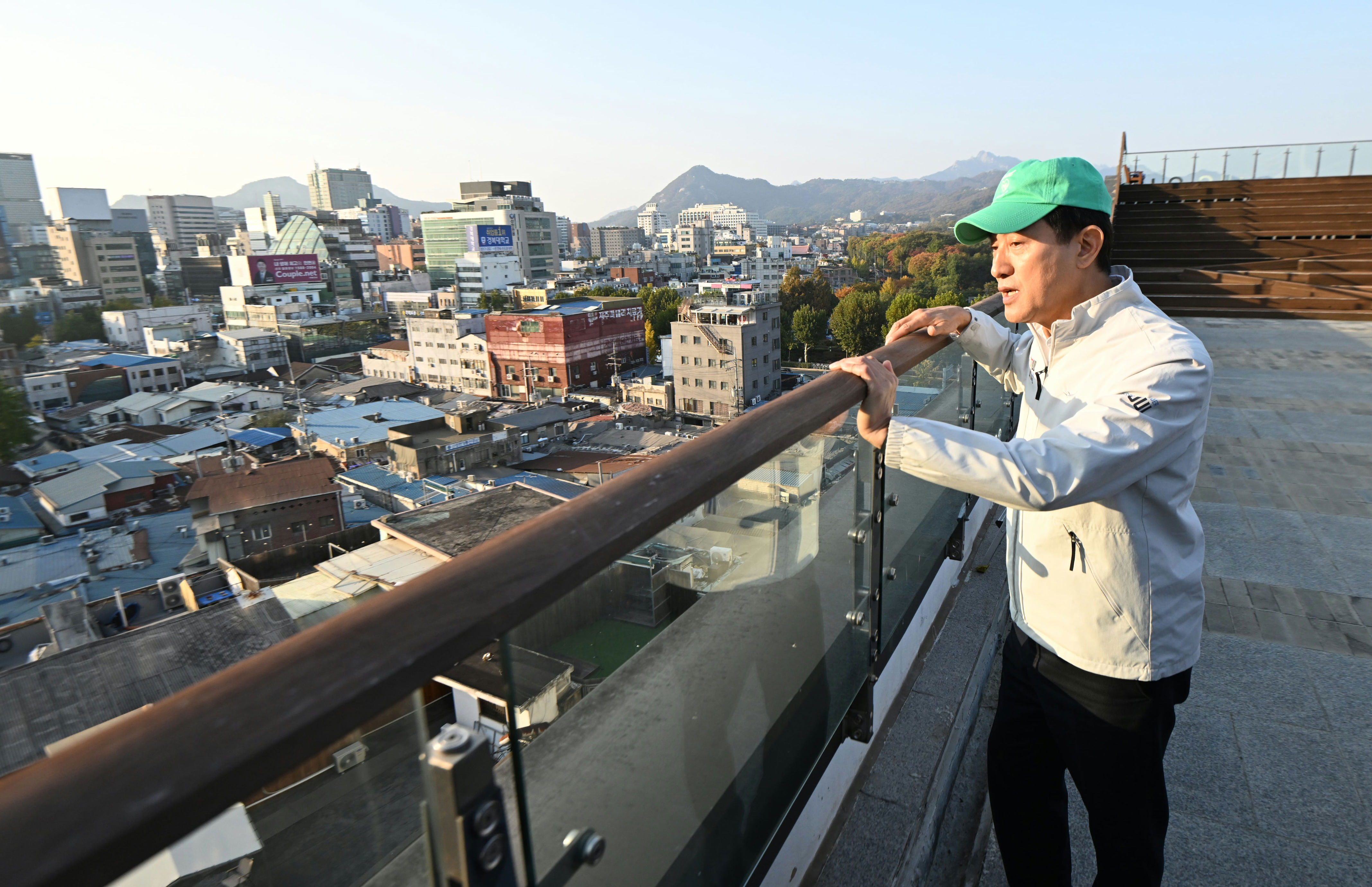
Oh defended the Sewoon District 4 Redevelopment Promotion Project, claiming it will not damage Jongmyo but instead enhance its ecological and cultural value. He envisioned a green axis stretching from Namsan to Jongmyo, which would eliminate the unsightly Sewoon Plaza and create a new path through a tree-lined street.
He dismissed the notion of a “high-rise building forest blocking Jongmyo” as a distorted political frame, explaining that buildings along the green axis would gradually increase in height, creating a new landmark that harmonizes with the heritage site. Oh expressed confidence that this project would contribute to economic revitalization by synergizing with K-Culture.
Oh concluded by expressing regret that the central government is unilaterally condemning Seoul City while ignoring the actual plans. He urged Prime Minister Kim to engage in a public debate to discuss what kind of city Seoul should become, emphasizing the importance of balancing history and the future.


Comments
Post a Comment