Revised Civil Servant System: Remote Work and Combined Roles Launch
Reforming the Civil Servant On-Duty System
The civil servant on-duty system is undergoing significant reforms aimed at reducing the burden on public officials while improving efficiency and administrative services. The Ministry of Personnel Management recently announced a legislative notice for a revised draft of the ‘National Public Officials Service Rules’ that includes these changes. According to the ministry, after a three-month pilot operation, the new on-duty system will be fully implemented in April of next year.
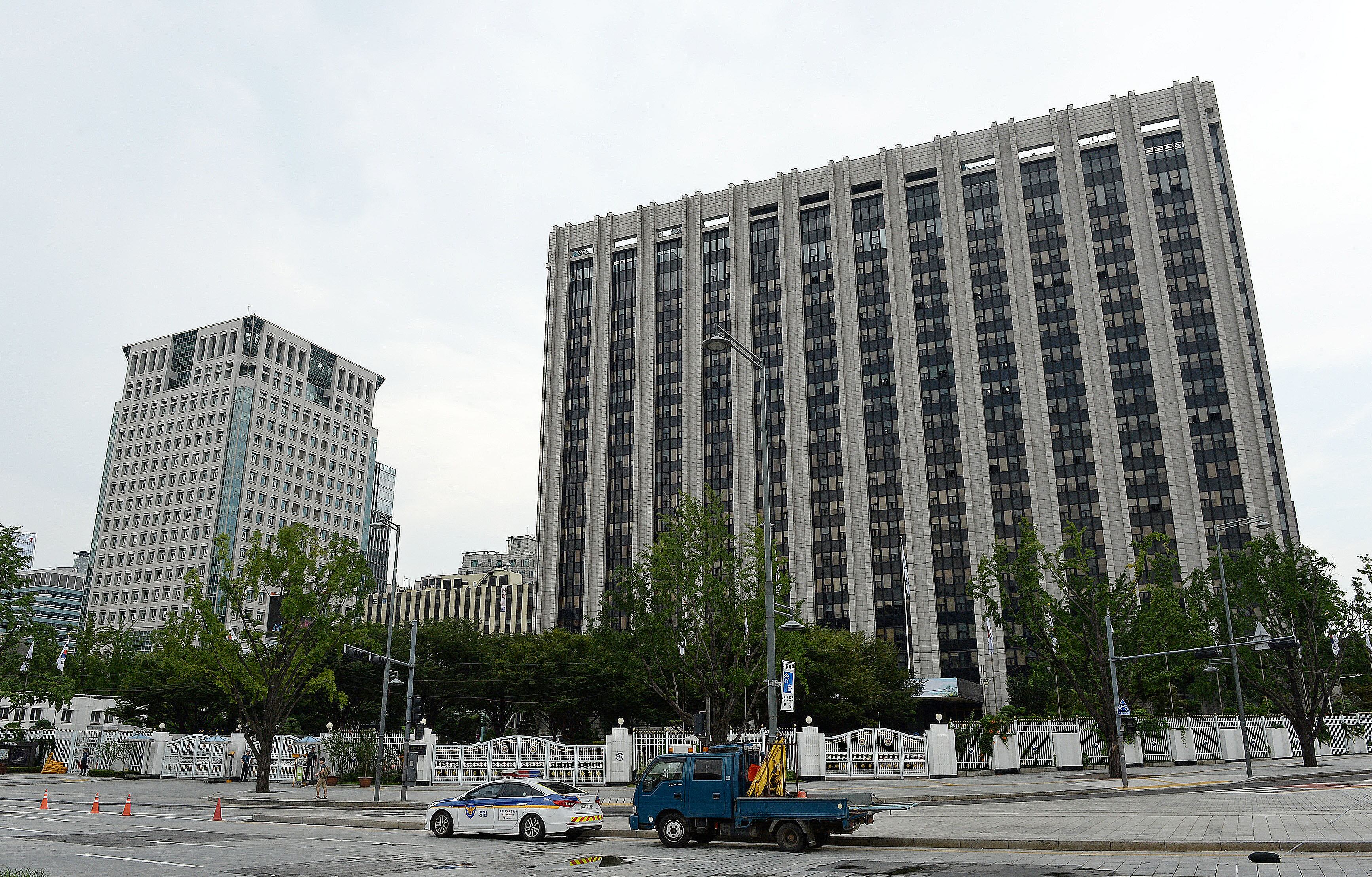
The revision is part of five key tasks to enhance vitality in the public sector under the Lee Jae-myung government. The ministry emphasized that the changes aim to innovate outdated systems, improve working conditions for public officials, and provide better administrative services to the public.
Expansion of Remote On-Duty
One of the major changes is the full expansion of remote on-duty duties. Previously, only institutions that had prior consultations with the Ministry of Personnel Management and the Ministry of the Interior and Safety could operate a remote on-duty system. From now on, institutions equipped with unmanned electronic security devices or manned security systems can introduce the remote on-duty system without such consultations.
Additionally, officials who previously had to wait in the office for 2–3 hours before returning home to continue their on-duty duties will now only need to wait for one hour in the office before returning home.
Integrated On-Duty Systems
For institutions operating 24-hour situation rooms, such as the Ministry of Foreign Affairs and the Ministry of Justice, separate on-duty rooms will be abolished, allowing situation room staff to concurrently perform on-duty duties. In cases where multiple institutions are located in a single government complex, on-duty duties can be integrated. Currently, each institution must have at least one person on duty, but from now on, 1–3 people can work in an integrated on-duty room formed by multiple institutions.
For example, the Government Daejeon Complex, which houses eight institutions, previously required eight people for on-duty duties, but from now on, three on-duty personnel will handle duties for all eight institutions at once.
Abolishing On-Duty Systems in Small Institutions
Small institutions with few personnel, where individuals must perform on-duty duties at least once every four weeks, will be allowed to abolish the on-duty system. The Ministry of Personnel Management stated that between integrated on-duty institutions, the system will be thoroughly operated to maintain an emergency contact system, ensuring that urgent situations are promptly communicated and tasks are processed without delay.
Introduction of AI-Based Complaint Response
An AI-based civil complaint response system will also be introduced. For institutions with many phone complaints at night or on holidays, AI technology will classify civil complaint calls, automatically redirecting general complaints to the e-People petition portal and fire- or crime-related calls to 119 or 112. The ministry plans to ensure that only important and urgent matters are directly communicated to on-duty personnel.
Maintaining Emergency Contact Systems
The on-duty headquarters in the Government Sejong Complex, and the on-duty command centers in the Government Seoul Complex, Gwacheon Complex, and Daejeon Complex will remain in place to systematically manage overall on-duty operations. Through the professional security, protection, and fire prevention duties of the complex management headquarters and security companies, the ministry plans to ensure there are no gaps in on-duty tasks.
Budget Savings and Additional Working Hours
The ministry also mentioned that as many on-duty duties transition to remote or integrated on-duty systems and general on-duty duties are abolished in institutions with 24-hour situation rooms, the reduction in on-duty allowances paid to on-duty personnel is expected to save an annual budget of 16.9 billion to 17.8 billion Korean won. Additionally, as the reduction in work gaps caused by approximately 446,000 people taking leave after office on-duty duties annually decreases, an additional 3.56 million working hours will be secured, allowing the government to provide additional services to the public.
Minister's Statement
Ministry of Personnel Management Commissioner Choi Dong-seok stated that inefficient on-duty systems that do not fit the changing times have been a factor in increasing unnecessary workloads for public officials and hindering public sector vitality. He added that this revision sufficiently reflects the results of actual condition surveys and field voices, enabling public officials to focus more on their work and provide higher-quality administrative services to the public.


Comments
Post a Comment