Sakurajima Volcano Erupts in Japan, Spewing Ash Over Kagoshima
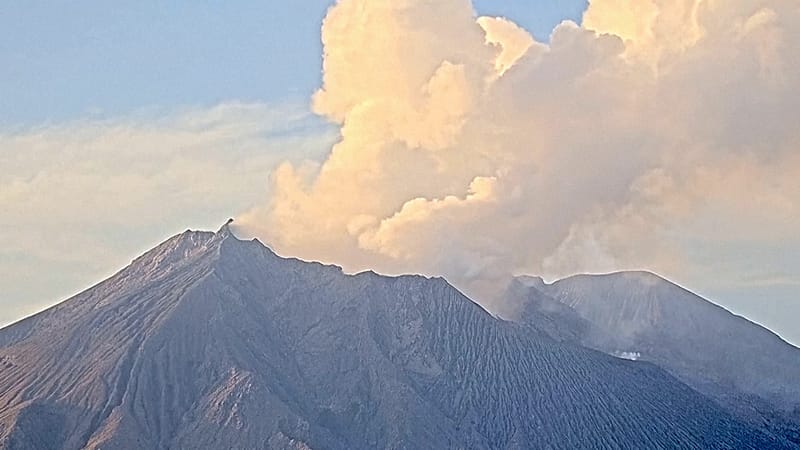
A volcano located on Sakurajima, in the southwestern region of Japan, erupted once again on Sunday. The Minamidake crater released a towering column of smoke and ash that reached thousands of meters into the sky. This marks the first time the crater has erupted since October of last year. In response to the event, local authorities have issued an ashfall alert for the surrounding prefectures, including Kumamoto, Kagoshima, and Miyazaki.
Sakurajima, situated approximately 1,000 kilometers southwest of Tokyo, is recognized as one of Japan's most active volcanoes. Its history of eruptions has made it a subject of continuous monitoring by geologists and scientists. The volcano was once an island, but during the significant eruption of 1914, a lava flow created a land bridge connecting it to the Osumi Peninsula. This eruption was particularly devastating, resulting in the loss of 58 lives.
Key Details About Sakurajima
- Geographical Location: Sakurajima is located in the southern part of Kyushu Island, near the city of Kagoshima. It is known for its frequent volcanic activity, making it a focal point for geological research and disaster preparedness efforts.
- Historical Significance: The 1914 eruption was one of the most notable in the volcano’s history. Not only did it cause extensive damage, but it also reshaped the landscape by linking the island to the mainland.
- Current Activity: Recent eruptions have been monitored closely due to the potential risks they pose to nearby communities. The recent event highlights the ongoing need for vigilance and early warning systems.
Impact of the Eruption
The recent eruption of Sakurajima has raised concerns among local residents and officials. While no major injuries or damage have been reported yet, the issuance of an ashfall alert indicates the potential for widespread effects. Ashfall can disrupt daily life, affect air quality, and pose challenges for agriculture and infrastructure. Authorities are likely working to ensure that affected areas are adequately prepared and informed.
Volcanic Monitoring and Preparedness
Japan has a well-established system for monitoring volcanic activity, especially in regions like Sakurajima. Seismic sensors, gas monitoring equipment, and satellite imagery are all used to track changes in the volcano's behavior. These tools help scientists predict eruptions and provide timely warnings to the public.
In addition to technological monitoring, community education and emergency drills play a crucial role in preparing for volcanic events. Local governments often conduct regular exercises to ensure that residents know how to respond in case of an eruption.
Future Outlook
While the recent eruption of Sakurajima is not considered catastrophic, it serves as a reminder of the dynamic nature of the Earth's surface. Scientists will continue to study the volcano's activity to better understand its patterns and potential future eruptions. This knowledge is essential for developing more accurate predictive models and improving disaster response strategies.
As Japan remains one of the most seismically active countries in the world, the importance of proactive measures cannot be overstated. The ongoing monitoring of Sakurajima and other volcanoes ensures that communities can stay safe while living in harmony with their natural environment.


Comments
Post a Comment