Seoul Apartment Prices Hit New High Amid Regulations
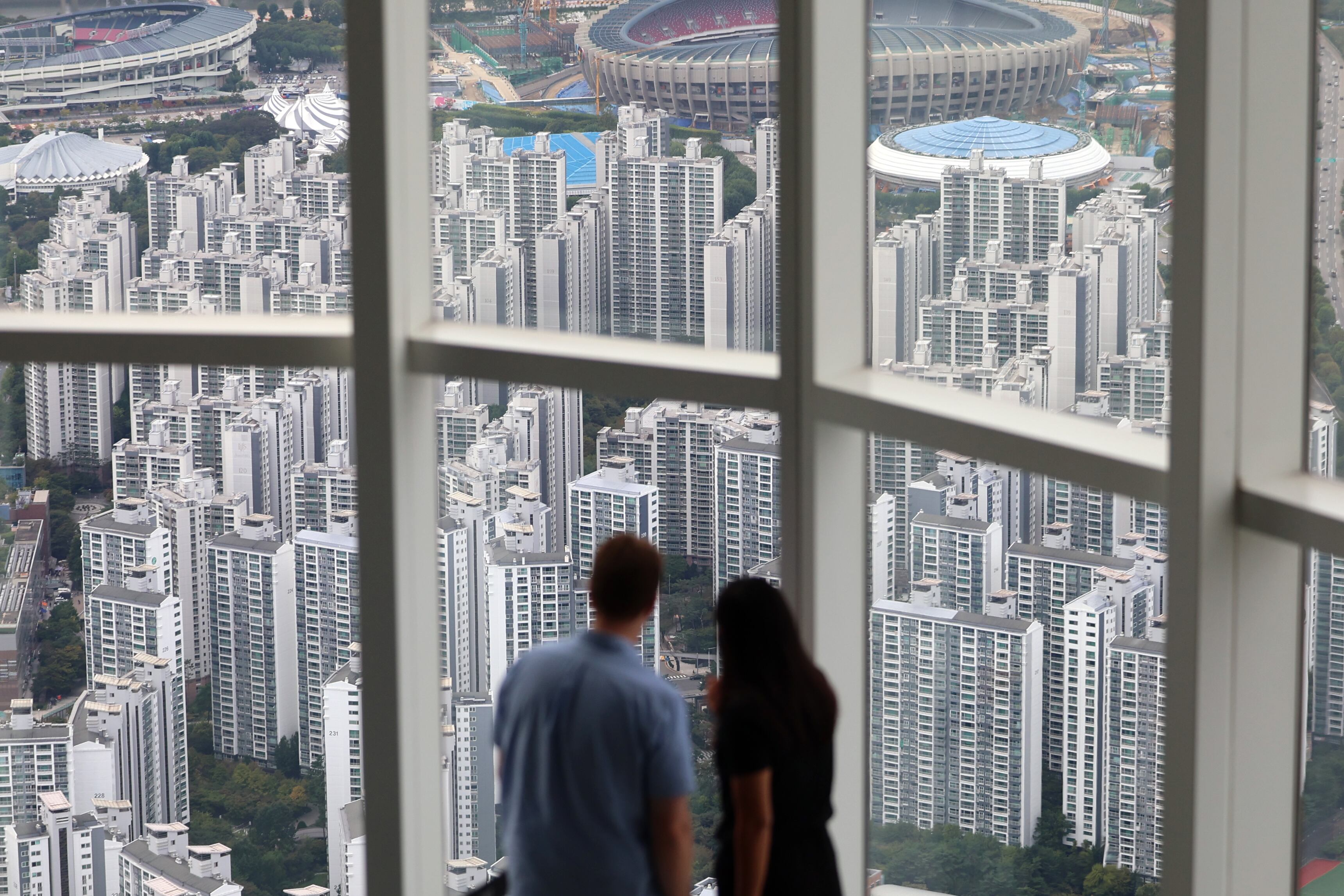
Rising Apartment Prices in Seoul
Seoul’s apartment prices have reached a new high in November, with the average sale price hitting the highest level of the year. Despite various government measures aimed at controlling the real estate market, transactions in the Gangnam Three Districts—Gangnam, Seocho, and Songpa—have remained strong, contributing to an overall increase in property values.
According to data from the Seoul Real Estate Information Plaza, the average sale price of apartments in Seoul as of November 16 was recorded at 1.55968 billion Korean won. This is the highest monthly average for the year, surpassing October’s average of 1.22625 billion Korean won and September’s 1.21087 billion Korean won by more than 300 million Korean won.
Factors Behind the Price Surge
The rise in apartment prices can be attributed to increased transactions in popular areas such as the Gangnam Three Districts. These regions have seen record-high deals, with high-end complexes setting actual transaction prices that push up the overall average.
Despite the introduction of regulations on October 27, which capped loans for homes priced over 300 million Korean won at 200 million Korean won, transactions in the Gangnam area have continued to break records. For example:
- A 181㎡ exclusive-use RAEMIAN Samsung 1st apartment in Samseong-dong, Gangnam-gu, was sold for a record 4.01 billion Korean won on the 5th.
- An 84㎡ exclusive-use Brownstone Jamwon apartment in Jamwon-dong, Seocho-gu, set a new record at 3.3 billion Korean won.
These transactions highlight the continued demand for luxury properties in key neighborhoods.
Decreasing Listings and Housing Supply Concerns
Another factor contributing to the price increase is the reduction in listed properties. According to real estate platform Apsille, the number of Seoul apartment listings dropped from 74,044 units on October 15 to 64,218 units recently—an almost 10,000-unit decrease in just a month. This decline is significant compared to the over 90,000 units recorded earlier this year.
The drop in available housing has raised concerns about the supply of homes in the capital. Data from the Ministry of Land, Infrastructure and Transport shows that the number of completed housing units in the capital region fell by 55.4% year-on-year in September, reaching 8,116 units. In Seoul alone, the number of completed units dropped by 56.4% to 922 units.
This decline in housing supply has led to forecasts that the gap between supply and demand will persist for years to come, further pressuring the real estate market.
Impact of Government Policies
While the government has introduced policies to curb rising prices, these measures have not been enough to slow down the surge in demand. The focus on high-end properties in desirable locations continues to drive up prices, despite efforts to limit loan availability for expensive homes.
As a result, buyers are increasingly turning to premium properties, leading to higher transaction values and pushing the average sale price even higher. The combination of limited supply, strong demand, and ongoing policy interventions has created a complex environment for the Seoul real estate market.
Future Outlook
With the current trends, it is likely that apartment prices in Seoul will remain elevated in the coming months. The shortage of available housing, coupled with persistent demand, suggests that the market may continue to experience upward pressure.
For potential buyers, this means that securing a property in sought-after areas may become even more challenging. Meanwhile, sellers in high-demand neighborhoods may see continued benefits from the strong market conditions.
Overall, the situation reflects the broader challenges facing the real estate sector in South Korea, where balancing supply and demand remains a critical issue.


Comments
Post a Comment