Seoul Play Connects Through Disability and Empathy
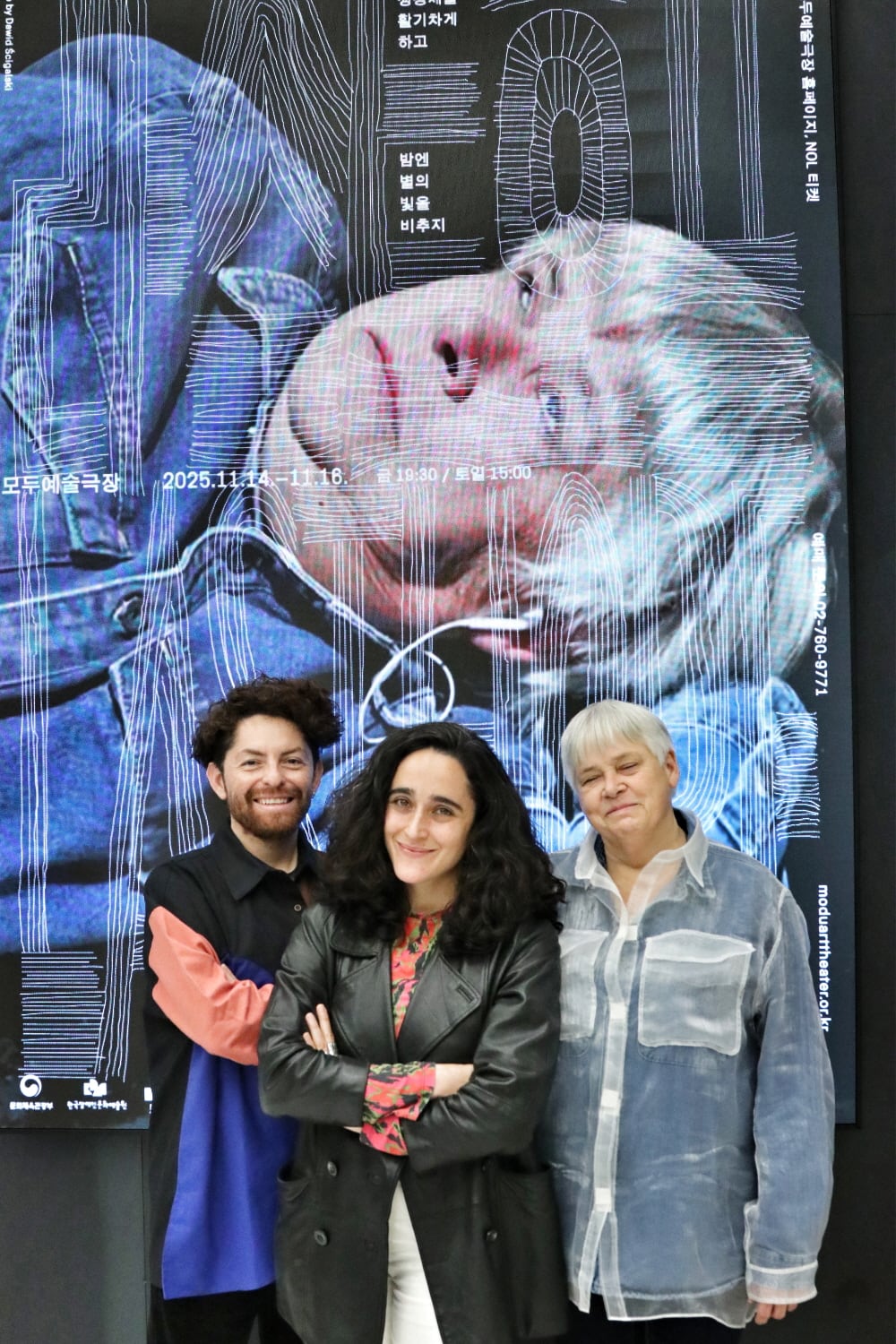
The experience of perceiving the world is deeply personal, shaped by individual senses and memories. In a recent performance, a Chilean actor named Ebana Garin posed a thought-provoking question: “To me, the blue of the sky is the color of solitude and nostalgia, homesickness. What color is your nostalgia?” This question was met with a response from Hilda Snipper, a Dutch amateur actor who has only 1% of her visual ability remaining. She replied, “When I hear the word nostalgia, I recall purple velvet curtains and the smell of dust.” Their exchange highlighted how two individuals can look at the same landscape yet perceive it in entirely different ways.
In a society that often prioritizes sight as the most valuable sense, the act of “seeing” is frequently equated with truth and understanding. However, this assumption may not hold true. A recent play titled Last Hope, performed at the Modu Art Theater in Chungjeongno, Seoul, challenged these preconceptions and explored the power of empathy beyond traditional notions of disability.
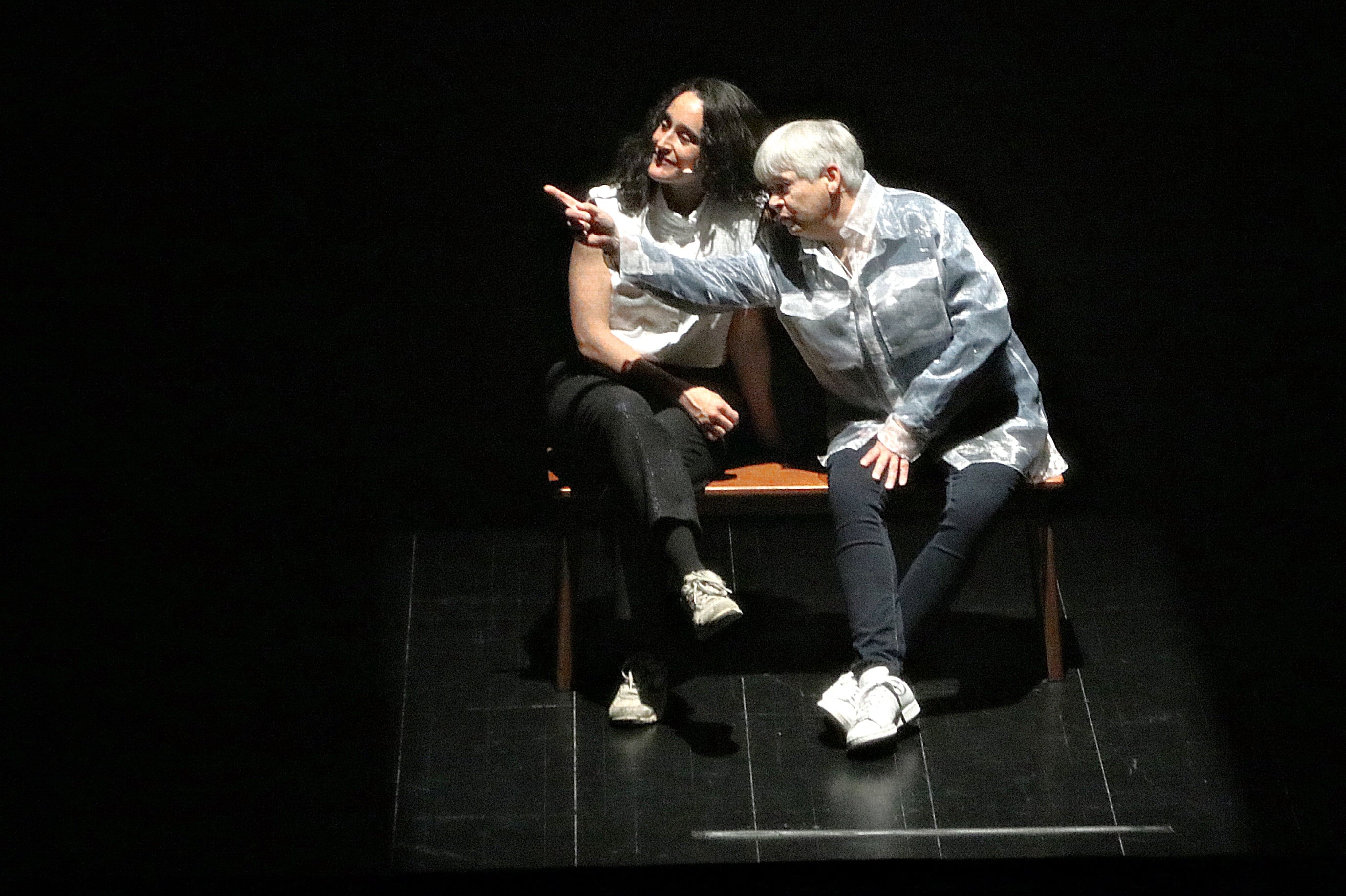
The play was not just a theatrical performance but also a sensory experiment that aimed to bridge gaps between people with and without visual impairments. Through the dialogue between Hilda, a visually impaired actor, and Ebana, a non-disabled performer, the audience was invited to experience the “world not seen” as a rich and complex layer of sensation rather than a deficit. The journey of this collaboration began in Europe, spanning five countries and even reaching Chile, before making its debut in Asia for the first time in South Korea.
After the show, I had the opportunity to speak with both actors. Hilda shared her initial surprise at being on stage, saying, “At first, I never thought I’d stand on this stage.” She described the experience as an adventure, noting how they created the performance using broken English in an unfamiliar, dark environment. “But they kept buying me delicious coffee, haha,” she added with a laugh. Ebana, on the other hand, spoke about how she met Hilda while pursuing her master’s degree in Amsterdam. “For the first two weeks, we just played and talked, building trust.”
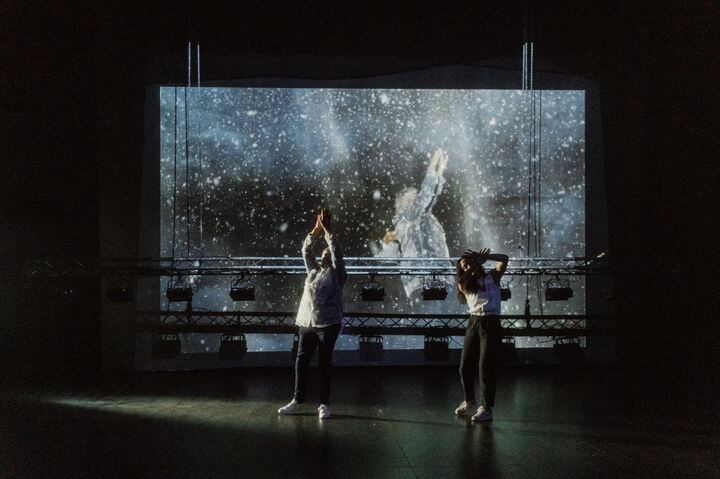
Their onstage conversation revealed contrasting ways of experiencing the world. Themes such as the night sky, the sea, and the memory of a father were explored through their unique perspectives. As they shared their memories, the dialogue gradually broke down differences and boundaries. Through touch, sound, and the density of space—senses beyond sight—prejudices about disability also began to dissolve.
One of the most memorable experiences for both actors was hiking the Andes Mountains together. Ebana, with her eyes covered and using a cane, climbed a snow-covered hill. She described the experience as transformative, saying, “I felt for the first time how distinct shadows are as sensory objects, which I hadn’t recognized in the world of light.” Hilda, who had never fallen on soft snow before, found the experience unexpectedly beautiful. “Falling was such a beautiful experience,” she laughed.
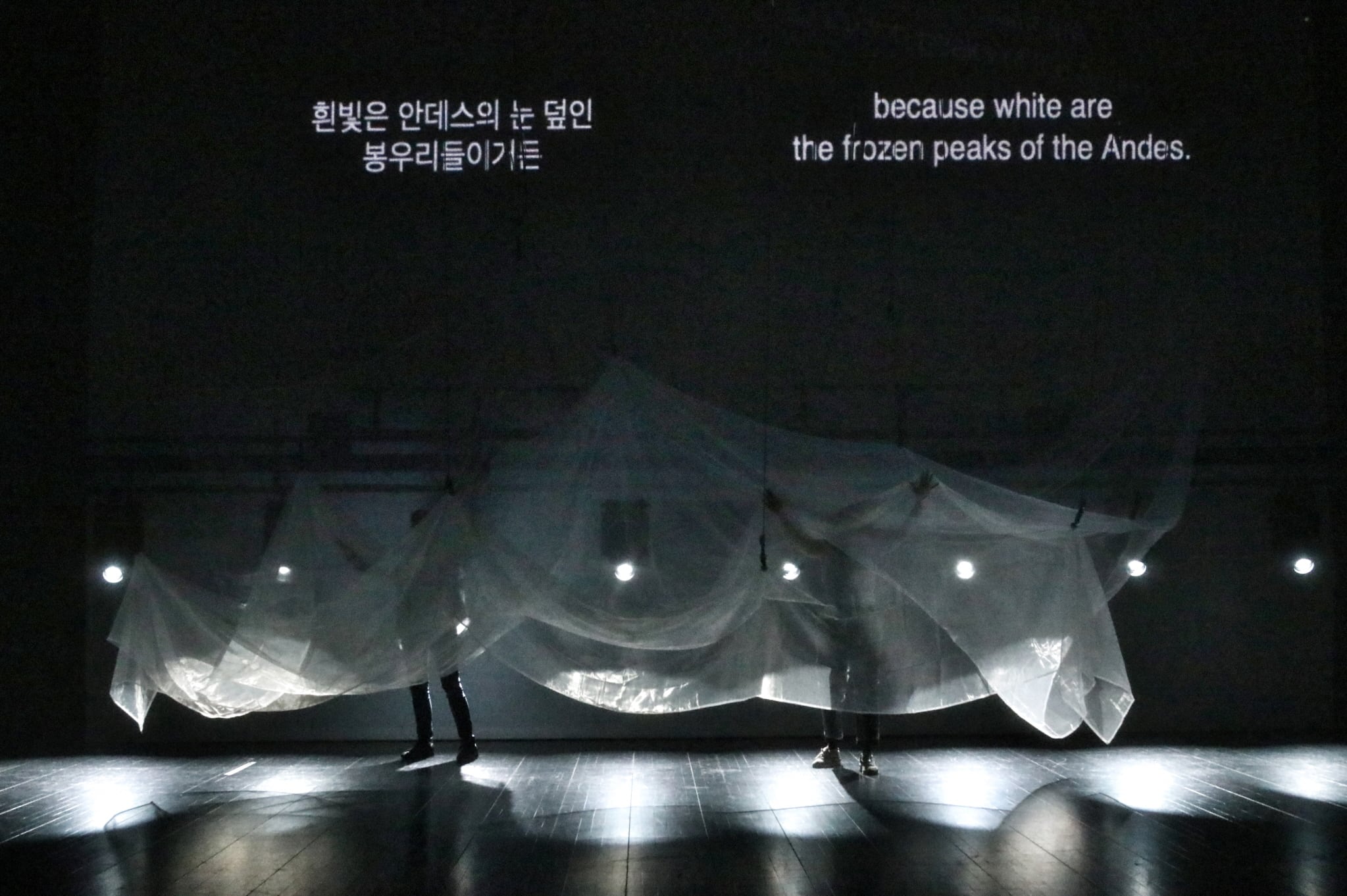
The final scene of the play was particularly moving. Hilda, who once avoided dancing due to fear of losing balance, danced holding Ebana’s hand. This moment symbolized the dissolution of boundaries like disability, language, and race, as trust reached its peak in uncertainty.
Hilda reflected on her experience, saying, “Not being able to see isn’t the disability; environments that are inaccessible create disability.” Ebana agreed, adding, “Look at us. If you open your heart, accept, and make efforts, you can always find ways to bypass and overcome such boundaries.” Their journey is a powerful reminder that perception is not limited to sight, and that true understanding comes from embracing the diversity of human experience.


Comments
Post a Comment