SK Telecom Spurns 300,000 Won Settlement Offer
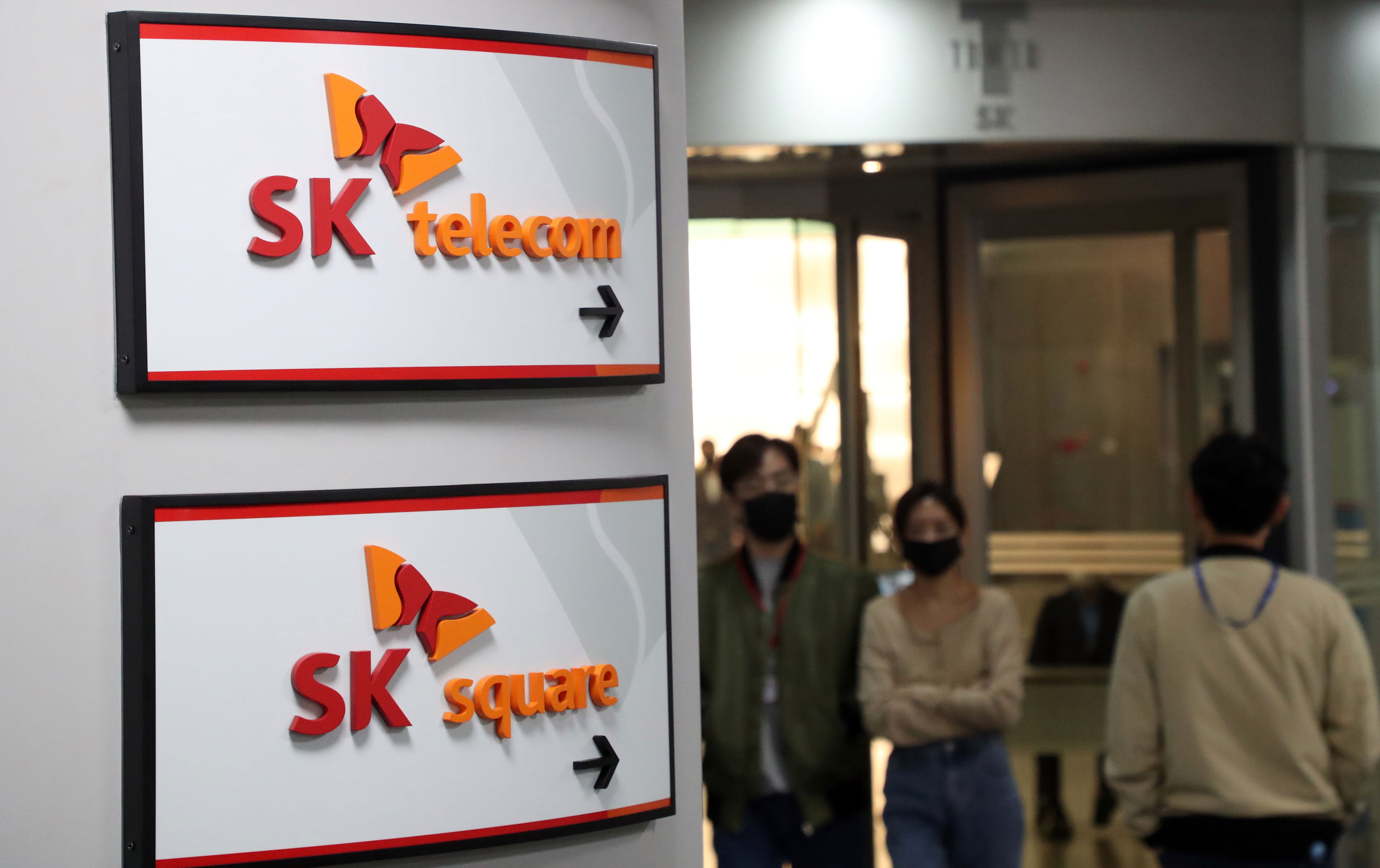
SK Telecom Rejects Mediation Proposal Over Personal Data Leak
SK Telecom has reportedly decided internally not to accept a mediation proposal from the Personal Information Protection Commission’s Dispute Mediation Committee. The committee had requested compensation of 300,000 Korean won per victim of a personal information leak. According to industry sources, the company plans to formally reject the mediation proposal later in the day.
The dispute mediation committee delivered its decision on the 5th, ordering SK Telecom to pay 300,000 Korean won to each of the 3,998 applicants. This totals approximately 1.1994 billion Korean won. Since the mediation process ends if either party rejects it, the applicants will now have no choice but to pursue civil litigation.
Financial Burden as Key Concern
The rejection is reportedly due to the immense financial burden that SK Telecom would face. If all victims—approximately 23 million people—filed similar claims under the same conditions, the total compensation could reach up to 6.09 trillion Korean won based on the committee’s criteria. This figure highlights the potential scale of the financial impact on the company.
Shortly after the committee’s decision, SK Telecom expressed regret, stating, “We are disappointed that our efforts to address the incident and provide voluntary, preemptive compensation were not sufficiently reflected,” and indicated it would struggle to accept the proposal.
Previous Rejections and Ongoing Litigation
In August, SK Telecom also rejected a mandatory mediation proposal from the Korea Communications Commission’s Telecommunications Dispute Mediation Committee. The committee had urged the company to waive penalties until the end of the year and claim only 50% of penalties for bundled service cancellations.
Meanwhile, approximately 9,000 hacking victims have filed a damages lawsuit against SK Telecom, demanding 500,000 Korean won in consolation money per person. The first hearing is scheduled for January next year. Additional lawsuits from victims continue to emerge, indicating that the legal battle may be far from over.
Ongoing Legal Challenges
The rejection of the mediation proposal signals a shift in SK Telecom’s approach to handling the aftermath of the data breach. Instead of accepting the proposed compensation, the company is choosing to challenge the decision through legal channels. This move may lead to prolonged litigation, which could further strain the company's resources.
The situation also raises questions about the effectiveness of mediation processes in resolving large-scale data breaches. While the Personal Information Protection Commission aims to provide fair compensation to victims, companies like SK Telecom may view these proposals as financially unsustainable, especially when considering the potential number of affected individuals.
Future Implications
As the legal proceedings unfold, the outcome of this case could set a precedent for how similar data breaches are handled in the future. It may influence the way companies respond to mediation proposals and how regulatory bodies approach compensation for data leaks.
For the victims, the rejection of the mediation proposal means they must now navigate the complexities of civil litigation to seek justice. This process can be time-consuming and costly, but it may be necessary to ensure that their rights are protected.
Conclusion
SK Telecom’s decision to reject the mediation proposal reflects the challenges faced by both companies and regulatory bodies in addressing data breaches. As the legal battle continues, it remains to be seen how this case will shape future policies and practices in the telecommunications sector.


Comments
Post a Comment