Son Hye-won Loses Lawsuit Over Mokpo Rumors
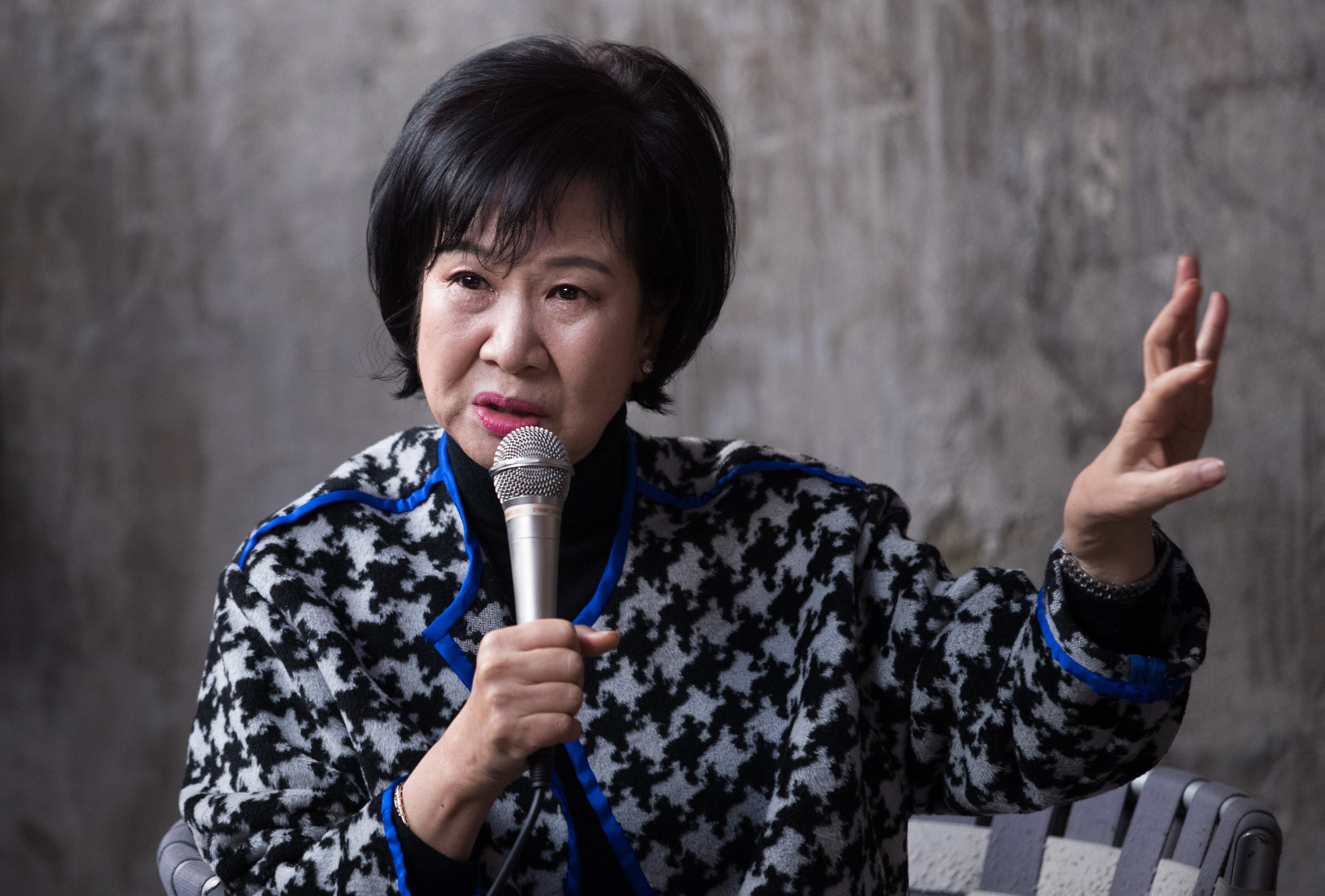
Legal Dismissal for Former Politician in Real Estate Speculation Case
A former member of the Democratic Party of Korea, Son Hye-won, has faced a significant legal setback after losing a first-instance lawsuit. The case involved a claim for 600 million Korean won in damages against an outlet that reported allegations of real estate speculation in Mokpo.
The 14th Civil Division of the Seoul Central District Court, presided over by Judge Jeong Ha-jung, ruled on the 12th that “the plaintiff’s claim is dismissed.” This decision effectively rejected Son’s lawsuit against SBS, the media outlet that initially reported the allegations.
Background of the Allegations
In January 2019, the SBS program “Dig Until the End” reported that Son, while serving as a floor leader for the ruling party on the National Assembly’s Culture, Sports, and Tourism Committee in May 2017, allegedly had prior knowledge of a 50 trillion Korean won urban regeneration project in Mokpo. According to the report, she had her relatives and spouse purchase properties within the project zone under borrowed names to gain financial benefits.
Son filed a lawsuit against SBS, asserting that the reports contained “clear falsehoods” and demanded both a correction and compensation. Her separate lawsuit for a correction was ultimately dismissed by the Supreme Court in 2023, with the court stating that “sufficient corrective reporting had already occurred.”
Criminal Investigations and Conviction
Following the reports, prosecutors launched an investigation and indicted Son in June 2019. She was accused of violating the Anti-Corruption Act and the Real Name Property Act, specifically for purchasing 26 plots of land and 21 buildings worth 1.4 billion Korean won in the project zone under borrowed names.
In 2022, the Supreme Court finalized a fine of 10 million Korean won against Son. While she was acquitted of using confidential information under the Anti-Corruption Act, she was found guilty of purchasing real estate under third-party names.
Key Points from the Case
- Legal Outcome: Son’s civil lawsuit was dismissed by the Seoul Central District Court, indicating that the court did not find sufficient grounds to support her claim for damages.
- Media Responsibility: The Supreme Court ruled that SBS had provided adequate corrective reporting, which led to the dismissal of Son’s request for a correction.
- Criminal Charges: Despite being acquitted of one major charge, Son was convicted for real estate purchases made under borrowed names, resulting in a fine.
- Public Impact: The case highlights the complex relationship between media reporting, legal accountability, and public figures’ actions.
Conclusion
The case involving Son Hye-won underscores the challenges faced by public figures when dealing with media scrutiny and legal consequences. While the courts have ruled against her in both civil and criminal matters, the outcome also reflects the importance of responsible journalism and the need for thorough investigations into allegations of misconduct. As the legal process continues, the case serves as a reminder of the responsibilities that come with public office and the potential repercussions of unethical behavior.


Comments
Post a Comment