Sophie Turner Warns Assisted Dying Bill Risks Eating Disorder Patients Suicide
Sophie Turner's Concerns About Assisted Dying Bill and Eating Disorders
Sophie Turner, best known for her role in Game of Thrones, has raised concerns about the potential impact of the assisted dying bill on individuals suffering from eating disorders. She is advocating for a pause in the legislative process, urging her peers to reconsider the implications of the proposed law.
Turner, 29, is part of a new campaign led by mental health charities, expressing fears that the legislation could pose a "serious risk" to those with eating disorders. The debate around the bill continues in the House of Lords, as it aims to legalise assisted dying for terminally ill adults in England and Wales.
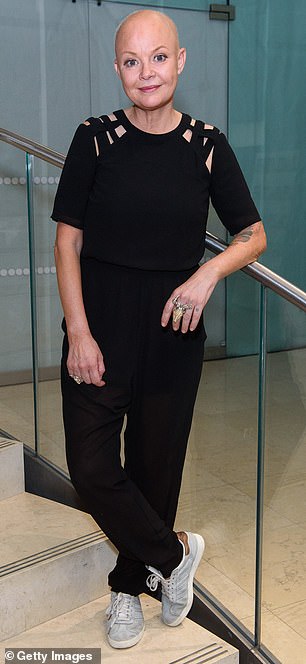
The Terminally Ill Adults (End of Life) Bill has seen an unprecedented number of amendments—nearly 1,000—making it the most amended piece of backbench legislation ever. Turner signed an open letter alongside TV presenter Gail Porter and former Hollyoaks star Stephanie Waring, all of whom have experienced eating disorders.
The letter highlights the potential danger of the bill, stating that it could make individuals with eating disorders eligible for assisted death during times when they are unable to access or accept treatment. It warns that many young people who could recover with effective care might instead receive lethal medication during periods of despair.


According to reports, evidence from the US suggests that women with eating disorders have already been granted assisted deaths under similar laws. One case cited involved a 36-year-old woman from Colorado named Jessica, who had anorexia and depression. Her doctor deemed her illness incurable after she could not increase her nutritional intake and prescribed lethal drugs. According to her family, she repeatedly said she did not want to die but could not continue living as she was. The letter claims at least 60 anorexic women died in a similar way.
The letter argues that these individuals were not inevitably dying but had illnesses that became life-threatening due to the lack of effective treatment. It urges lawmakers to pause and ensure that the legislation intended to bring compassion to those facing terminal illness does not end the lives of those who could still recover.
Turner has spoken openly about her struggles with bulimia as a teenage star, influenced by pressure from studio bosses to lose weight. This experience led to a therapist living with her to manage her eating while filming.
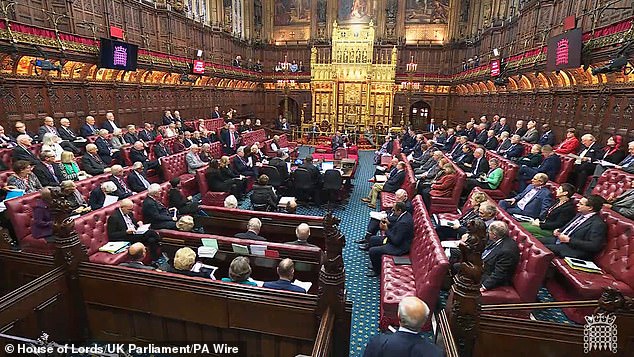
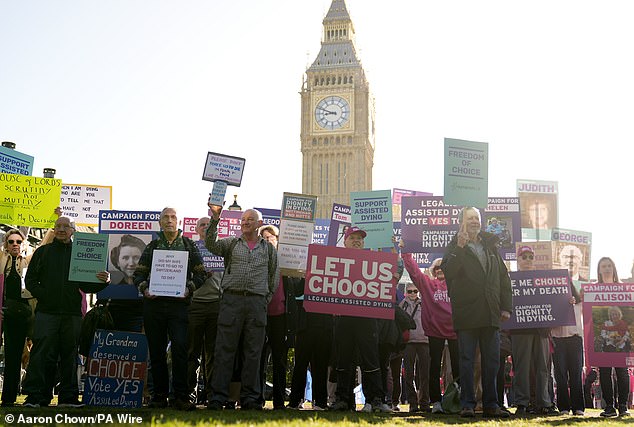
The bill was narrowly approved by MPs in the House of Commons in June and received an unopposed second reading in the Lords in September. This marks the furthest any such legislation on assisted dying has progressed through Parliament at Westminster.
However, the incoming Archbishop of Canterbury, Dame Sarah Mullally, has indicated that she and her Church of England colleagues may introduce an amendment to vote on the principle of the bill, which she will oppose. If the bill passes into law, the government will have four years to establish an assisted dying service, potentially leading to the first assisted death in 2029 or 2030.
The legislation proposes allowing terminally ill adults with fewer than six months to live to apply for an assisted death. This would require approval from two doctors and a panel including a social worker, senior legal figure, and psychiatrist.
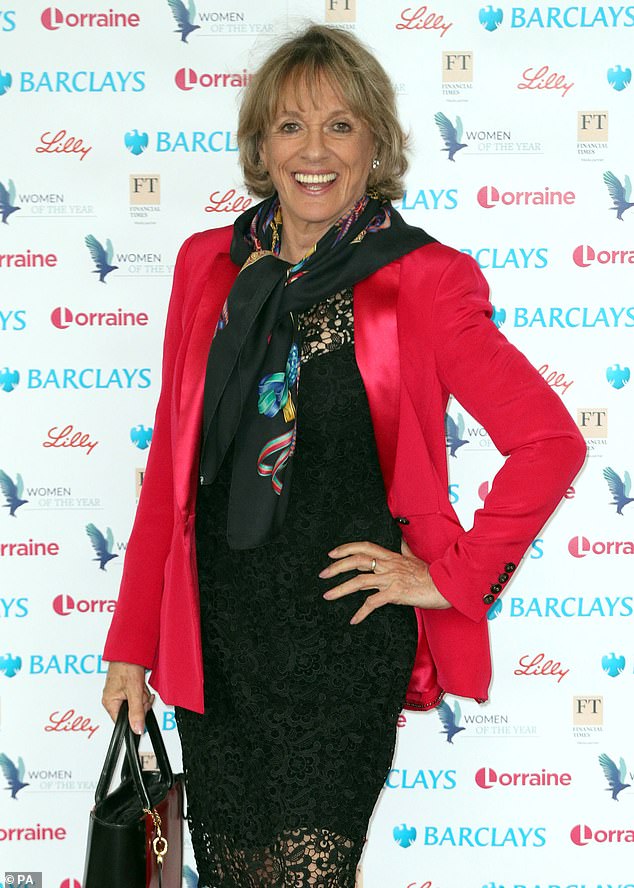
The campaign for the bill has received high-profile support from 85-year-old TV presenter Dame Esther Rantzen, who has terminal cancer. Her advocacy has brought significant attention to the issue.
As the debate continues, questions remain about whether the assisted dying bill can navigate political challenges and become law by 2029, granting terminally ill patients the right to choose. The outcome of this legislation could have profound implications for end-of-life rights in the UK.


Comments
Post a Comment