South Korea Detects Low Tritium Levels Near Fukushima
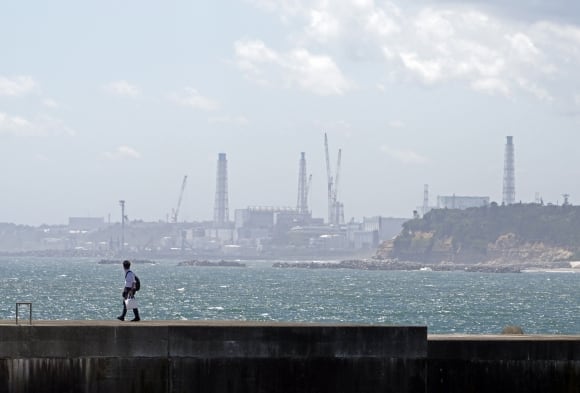
South Korea Monitors Tritium Levels in Ocean Near Fukushima Plant
The South Korean government has reported the detection of tritium, a radioactive element, in the sea near the Fukushima nuclear plant. This occurred during a period from the 30th of last month to the 17th of this month, when Tokyo Electric Power Company (TEPCO) released treated radioactive-contaminated water into the ocean. Despite the presence of tritium, the levels were not high enough to necessitate the suspension of the discharge.
Kim Young-soo, First Vice Minister of the Office for Government Policy Coordination, provided details about the discharge in a written briefing. He mentioned that TEPCO concluded its 16th discharge of contaminated water on October 17 at around 12:03 p.m. The total volume of water discharged during this period was 7,838 cubic meters, with approximately 2.0 trillion becquerels of tritium contained within it.
According to an analysis of samples collected by TEPCO from 10 locations within 3 km and four locations within 10 km of the Fukushima nuclear plant during the discharge period, tritium was detected 13 times at four locations within 3 km. The average concentration of tritium found in these samples was approximately 19 becquerels per liter.
Despite these findings, Vice Minister Kim emphasized that the detected levels did not exceed the threshold for suspending the discharge. Within the 3 km area of the nuclear plant, the discharge must be halted if the tritium concentration surpasses 700 becquerels per liter. The current level was roughly one-thirtieth of that threshold, indicating that the release remained within acceptable limits.
Experts from the Korea Institute of Nuclear Safety (KINS) were sent to Fukushima to share information regarding the discharge situation with officials from the International Atomic Energy Agency (IAEA) field office. The IAEA, which is monitoring whether TEPCO's discharge of treated contaminated water is proceeding normally, confirmed that no abnormalities were found in the discharge equipment after on-site inspections. They also verified that the tritium monitoring results in the waters near the Fukushima nuclear plant were below the threshold for determining anomalies.
Ongoing Discharge Process
TEPCO has been storing radioactive-contaminated water generated during the handling of the accident that occurred at the Fukushima Daiichi Nuclear Power Plant in 2011 in tanks. The company has been treating this water using the Advanced Liquid Processing System (ALPS), which filters out radioactive materials. After treatment, the water is released into the ocean in batches.
The discharge process began on August 24, 2023, and this particular release marked the 16th such event. The ongoing operation continues to be monitored closely by both national and international regulatory bodies to ensure compliance with safety standards and to maintain transparency regarding the environmental impact of the releases.


Comments
Post a Comment