Supreme Court Expands Diversity in Research Judge Cohort
Changes in the Selection Process for Supreme Court Research Judges
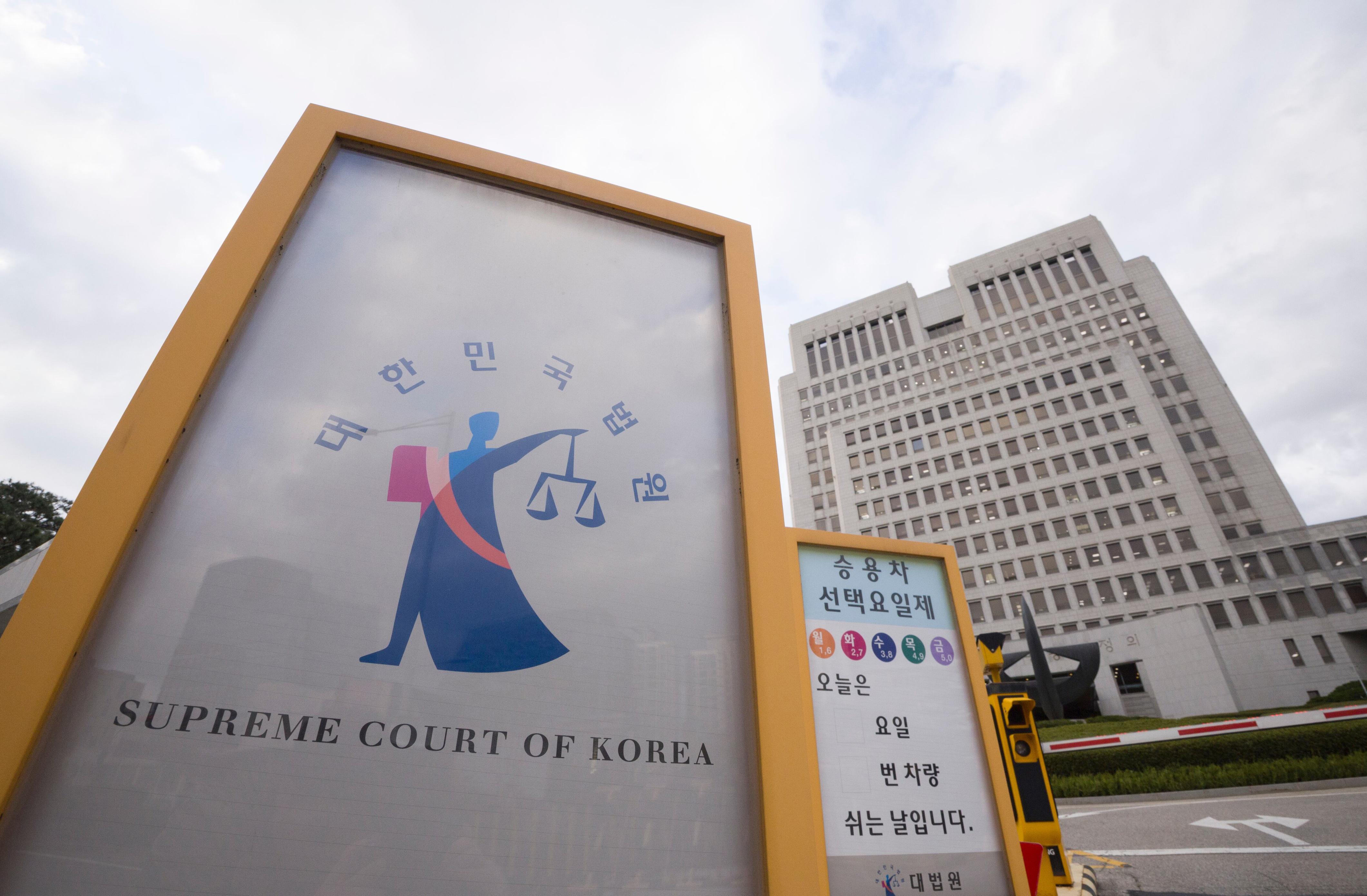
Starting next year, a significant shift is expected in the selection process for Supreme Court Research Judges. According to legal experts, Chun Dae-yup, head of the National Court Administration, announced in a notice titled “Operational Direction of the Judge Personnel System for the 2026 Regular Personnel Affairs” that the administration plans to appoint these judges from a more diverse range of cohorts than previously.
Supreme Court Research Judges play a crucial role in the judicial system. These judges are responsible for drafting key reports that justices refer to when making rulings. They summarize the issues in appellate (third-instance) cases and review legal principles to suggest directions for judgments. Due to their critical role, they have long been considered part of an “elite track” within the legal community.
Previously, the appointment of Supreme Court Research Judges was limited to senior judges who were eligible for presiding judge promotion, with one cohort selected each year. However, this year's personnel changes mark a departure from that tradition. The selection process will now include both higher and lower cohorts, expanding opportunities for more judges to work on appellate cases. The National Court Administration explained that this change aims to consider the evolving composition of judges and individual circumstances.
Judicial Diversification and Changing Pathways
This reform is seen as an adjustment to traditional personnel customs, aligning with the “era of judicial diversification.” This era emphasizes varied pathways for judges entering the profession. For the first time, this year’s eligible cohorts include those who passed the first bar exam and the 42nd cohort of the Judicial Research and Training Institute. These two groups present a unique challenge in terms of ranking due to overlapping timelines.
The first bar exam passers obtained their qualifications in March 2012, while the 42nd institute cohort was appointed as judges in January 2013. A presiding judge at the Seoul High Court noted that this ambiguity could lead to changes in future judicial personnel affairs. This situation highlights the complexity of integrating different entry points into the judicial system.
Background and Practical Considerations
The introduction of the “unified legal profession system” in 2014 has also contributed to this change. This system allows judges to be appointed from legal professionals who have prior experience as attorneys or prosecutors. It is viewed as an effort to reflect the diversified composition of judges within the personnel system.
Additionally, there are practical reasons why the Research Judge position has become less appealing. The Supreme Court handles approximately 40,000 cases annually, resulting in a substantial workload. The standard tenure for a Research Judge is three years. Historically, serving in this role was a common step toward becoming a high court presiding judge. However, the abolition of the high court presiding judge system has diminished its appeal.
Reports indicate that the National Court Administration is considering reducing the tenure from three to two years. This potential change reflects ongoing efforts to adapt the role to current judicial needs and challenges.
Conclusion
The upcoming changes in the selection process for Supreme Court Research Judges signify a broader shift towards a more inclusive and diverse judicial system. By expanding the pool of eligible candidates and adapting to new challenges, the National Court Administration aims to ensure that the judiciary remains responsive to the evolving legal landscape. These reforms not only address practical concerns but also reflect a commitment to fostering a more dynamic and representative judicial environment.


Comments
Post a Comment