Tech Tycoon's Home to Zuckerberg Struggles with Sleepless Nights
Residents of Palo Alto Battle with Unwanted Train Noise
Residents of Palo Alto, a city known for its tech innovation and affluent lifestyle, are facing a unique challenge: the loud noise from train horns that disrupt their peaceful nights. This issue has been a long-standing concern for locals, especially those living near Caltrain tracks.
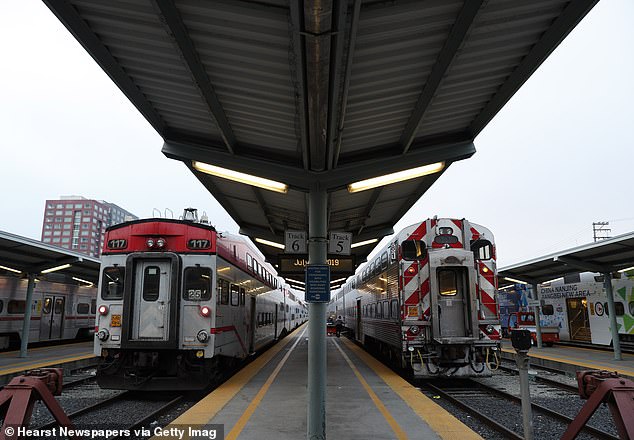
The Caltrain, which runs through the city, is equipped with horns that emit sounds at around 110 decibels—equivalent to a nightclub or rock concert. These horns are sounded four times as trains pass through the city, creating a significant disturbance for nearby residents. The noise level is so high that it can cause severe damage even with brief exposure.
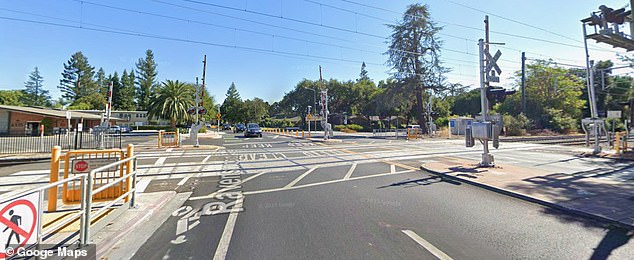
At a recent city council meeting, residents voiced their frustrations about the noise and discussed potential solutions. One of the proposals was the introduction of wayside horns, which would be stationed at the three Caltrain crossings. These horns are expected to reduce noise by up to 80-90 percent, making a significant difference in the quality of life for local residents.
Another solution considered was the installation of a four-quadrant gate system, which would completely eliminate the sound by blocking traffic from entering the tracks when a train is approaching. While this system offers a higher level of safety compared to the standard two-gate setup, it is more expensive, with costs estimated up to $5.1 million.
Council member Pat Burt explained that the wayside horns would be a more cost-effective option, while the four-quadrant gates would require more investment. However, residents like Rachel Croft emphasized that the goal is to eliminate the noise rather than move it elsewhere.
The city ultimately decided in favor of the four-quadrant gate system, leading to widespread support among residents. Burt noted that this would be the first time in many decades that the community would not have horn noise.
Despite the positive decision, funding remains a major hurdle. Burt mentioned that the Valley Transportation Authority could potentially provide financial support, but this has yet to be determined. Additionally, obtaining approvals from the California Public Utilities Commission may cause delays.
City senior engineer Ripon Bhatia estimates that the project will take between 36 to 60 months to complete, which has disappointed some residents. John Melnychuk expressed concerns about the timeline, stating that the community has already spent a year discussing outdated solutions.
In the meantime, Caltrain is implementing immediate safety measures to enhance security before the gates are installed. These include sturdy posts, solar-lit markers, fresh road paint, and a new Rail Sentry system that uses cameras, LIDAR, and AI technology to detect any dangers on the tracks.

Additionally, European-style anti-intrusion mats and secure fencing are being added to prevent people from walking onto the tracks. Burt assured the Daily Mail that these safety measures will significantly improve the situation by the first week of January.
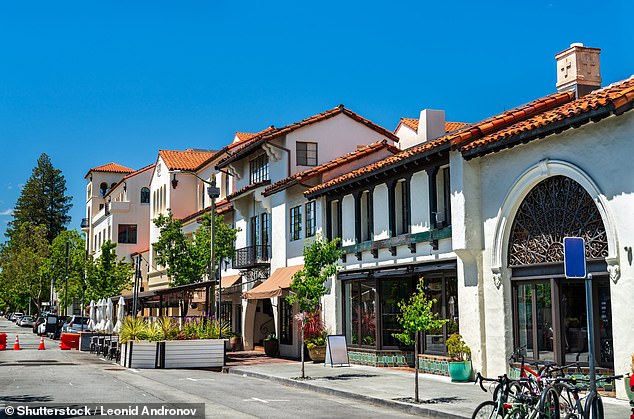
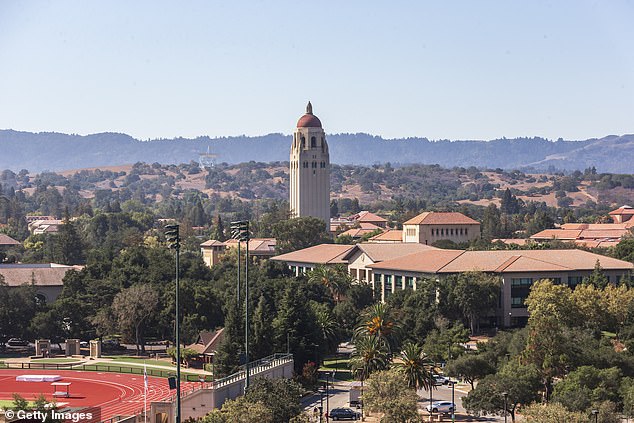
Palo Alto, often referred to as the "Birthplace of Silicon Valley," is home to Stanford University and numerous technology companies, including Facebook, Google, and Hewlett-Packard. It consistently ranks among the top cities in the United States for quality of life and livability. However, the average home value in Palo Alto is over $3.4 million, making it one of the most expensive places to live in California.

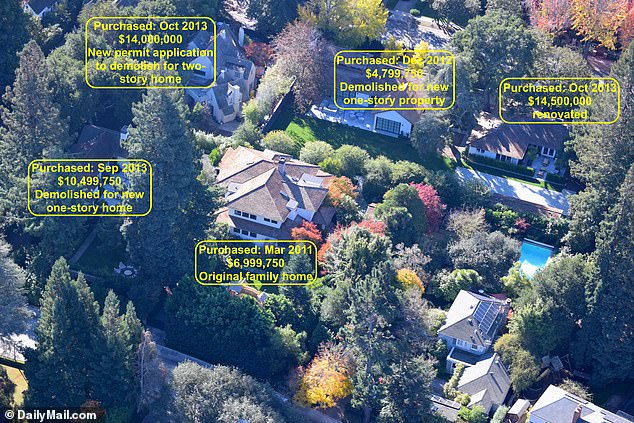
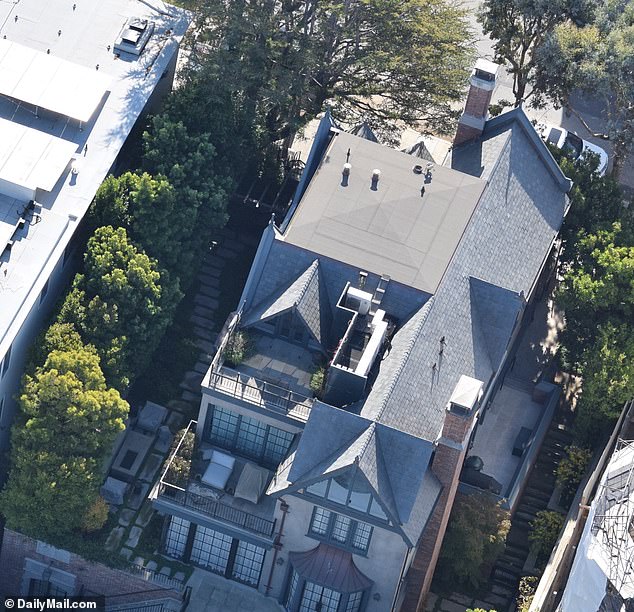
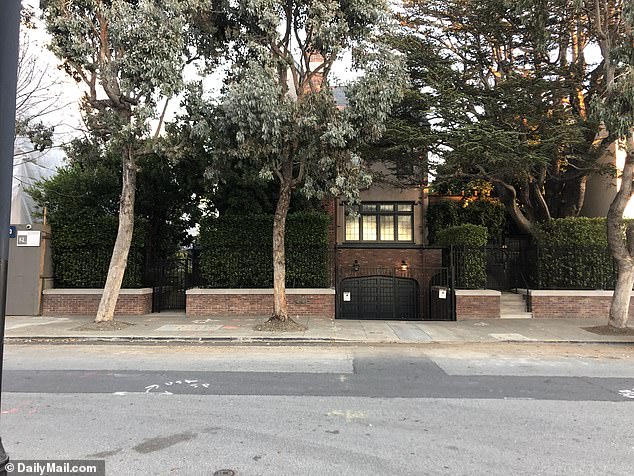
Billionaire Mark Zuckerberg and his wife, Priscilla Chan, have made significant investments in the area, purchasing multiple properties along Edgewood Drive and Hamilton Avenue. Their acquisitions have led to concerns about the impact on the neighborhood, with some residents describing the area as a construction nightmare.

As the debate over the train horns continues, the focus remains on finding a balance between safety, noise reduction, and the needs of the community. The future of Palo Alto's train system and its impact on residents will be closely watched in the coming years.


Comments
Post a Comment