Terrifying Map Reveals Mountain State Capital Endangered by Wolf Packs
Gray Wolves Moving Closer to Denver, Sparking Concern
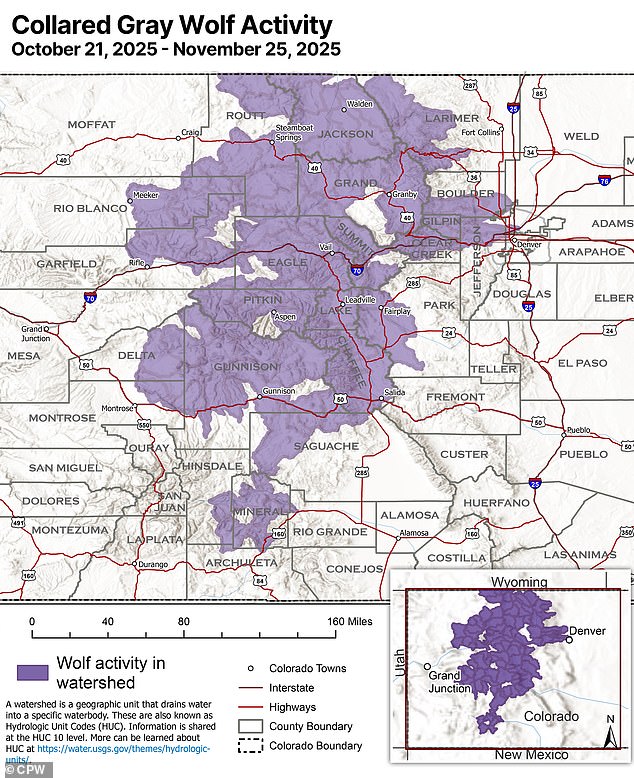
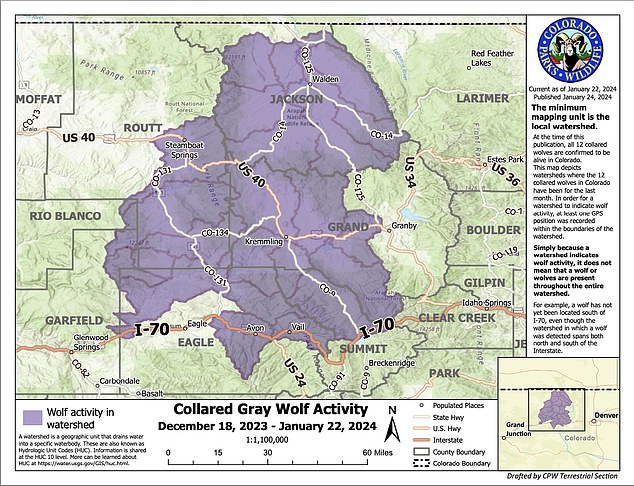
A recent map has revealed that gray wolves are gradually moving closer to Denver, raising concerns among residents and ranchers. The animals, which were reintroduced into Colorado's ecosystem, are now showing signs of venturing into urban areas. This shift in behavior has been closely monitored by the Colorado Parks and Wildlife (CPW), which tracks the movements of 20 collared gray wolves using GPS technology.
According to the map released by CPW, at least one wolf was observed edging toward Denver between late October and November. Other wolves were seen as far as the Wyoming border, while some traveled to watersheds near Boulder. Significant movement was also noted near the Continental Divide and in popular ski destinations like Aspen. Additionally, wolves have been spotted near Colorado’s tribal lands, according to officials.
The purpose of this map is to help livestock producers and the public stay informed about the wolves’ movements. While gray wolves are not typically aggressive toward humans, they can pose a serious threat to livestock and pets. CPW is working closely with ranchers to prevent conflicts and to warn people about the potential risks associated with wolves entering their areas.
Recent Wolf Attacks Raise Alarms
Over Memorial Day Weekend in May, several ranchers reported wolf attacks in Pitkin County. According to local news outlets, wolves killed a calf on the Lost Marbles Ranch and severely injured another. Other animals were also killed on nearby farms. These incidents have sparked frustration among ranchers, who feel that the state’s response has been inadequate.
Tom Harrington, a rancher whose calf was killed, said he never received an alert from CPW. Instead, he learned about the attack through a friend in the area. “The day after the attack, I got a call from the agency,” he told the outlet. Harrington described the scene: “He was clean. There was nothing left inside. And he was a big, healthy calf, around 180 to 200 pounds.”
Reintroduction Efforts Continue
Colorado began reintroducing wolves into its population in 2023. Initially, the state allowed 10 wolves into the ecosystem. In January, 15 wolves were relocated from British Columbia, Canada, to Colorado as part of the second wave of reintroduction. These wolves were released into Eagle and Pitkin Counties and included seven males and three females.
CPW plans to conduct at least one more round of reintroduction, with the possibility of up to five rounds. The goal is to eventually have between 30 to 50 wolves in the state. However, these efforts have not been without controversy.
Ongoing Questions and Concerns
The reintroduction of gray wolves has raised several questions among residents and experts alike. Why is the secretive release of wolves in Colorado causing fear and frustration among locals? Could the reintroduction lead to an ecological renaissance similar to what was seen in Yellowstone in the 1990s? Are the feared deadly wolves that killed a woman on the New Mexico border now on the prowl near Colorado?
Additionally, there are concerns about the state’s tactics regarding the reintroduction. Some argue that the lack of transparency is backfiring, leading to harsh accusations from local ranchers. Meanwhile, Mexican gray wolves, known for their bold behavior, have been causing disruptions in Western states by snatching pets and threatening children.


Comments
Post a Comment