The First Grammar Book of Riffian Tamazight by a Spanish Missionary
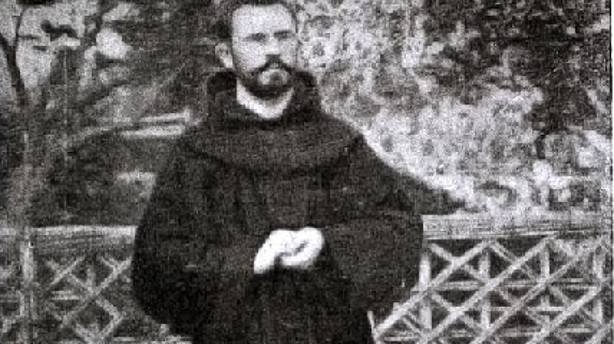
A Pioneer in Amazigh Language Studies
By the end of the 19th century, Spanish religious men in Morocco began to show a growing interest in learning the Amazigh language, particularly in the Rif region. Among these individuals was Pedro Hilarion Sarrionandia, a Franciscan priest who traveled to Morocco as part of an African mission. During his twenty-year stay in the Kingdom, he made significant contributions by writing a grammatical book for the Riffian language and a Spanish-Riffian dictionary.
The First Grammar Book for Riffian Language
The first grammar book for the Riffian language was written by a Basque priest, Pedro Hilarión Sarrionandia. This groundbreaking work was published in 1905 during his time as a Franciscan missionary in the region. Sarrionandia's first contact with northern Morocco began in 1892 when he was a 27-year-old priest sent to the Order of Convent in Tetouan. During his stay, he learned Arabic before transitioning to the Amazigh language.
Unlike Arabic, which was widely used in public institutions, Koranic schools, and universities, the Riffian language was primarily an oral heritage of the Kingdom with few written texts. This fact surprised the young priest, who was accustomed to learning grammar from books.
Despite this challenge, Pedro was not discouraged. Instead, it motivated him to create a record of the Riffian language’s grammar. He dedicated several hours each day to this new mission while maintaining close contact with locals. Over time, he accumulated enough knowledge to begin writing his first essays.
A Grammar Book for Tamazight
In 1901, authorized by the Spanish authorities, Sarrionandia entered Melilla to publish his work. However, due to political instability, there was a four-year delay before his book «The grammar of the Riffian language» was finally published in Tangier in 1905.
Sarrionandia’s desire to further his understanding of the Amazigh language led him to Essaouira in June 1910 to study the local dialect. This was a challenge he was ready to face, especially after his book was criticized by René Basset, a French author who wrote «Berber Tales» in 1887.
His trip to Essaouira lasted until November 1912, when the two French and Spanish protectorates were signed. These political changes in Morocco prompted him to request his superiors to end his mission in the Kingdom. A year later, he was sent to a convent in Seville, where he planned to fully devote himself to the Amazigh Grammar.
A Dream That Came to an End
Unfortunately, the priest’s dream was cut short. Pedro Hilarion Sarrionandia died in 1913, in his hometown, Garai in the Basque Country, following a tragic accident. At only 48 years old, his plans were suspended, but his book endured.
On 17 November, Garai, the hometown of Pedro Hilarión Sarrionandia, commemorates his death, paying tribute to the author of the first Riffian grammar book.
Legacy and Impact
Pedro Hilarion Sarrionandia’s work marked a significant milestone in the study of the Amazigh language. His efforts helped preserve and document a language that was largely oral at the time. His contributions remain relevant today, as they provide valuable insights into the linguistic and cultural heritage of the Riffian people.
Sarrionandia’s story is not just about one man’s dedication to learning a language. It reflects the broader historical context of cross-cultural interactions in North Africa, particularly between European missionaries and the indigenous populations. His work laid the foundation for future studies on Amazigh languages and their importance in the region’s history.
Today, his legacy continues to inspire scholars and linguists interested in the rich diversity of the Amazigh language family. His book remains a crucial reference for those studying the Riffian dialect and its place within the broader Tamazight linguistic landscape.


Comments
Post a Comment