Too Much Flavor Destroys Vietnamese Cuisine Balance
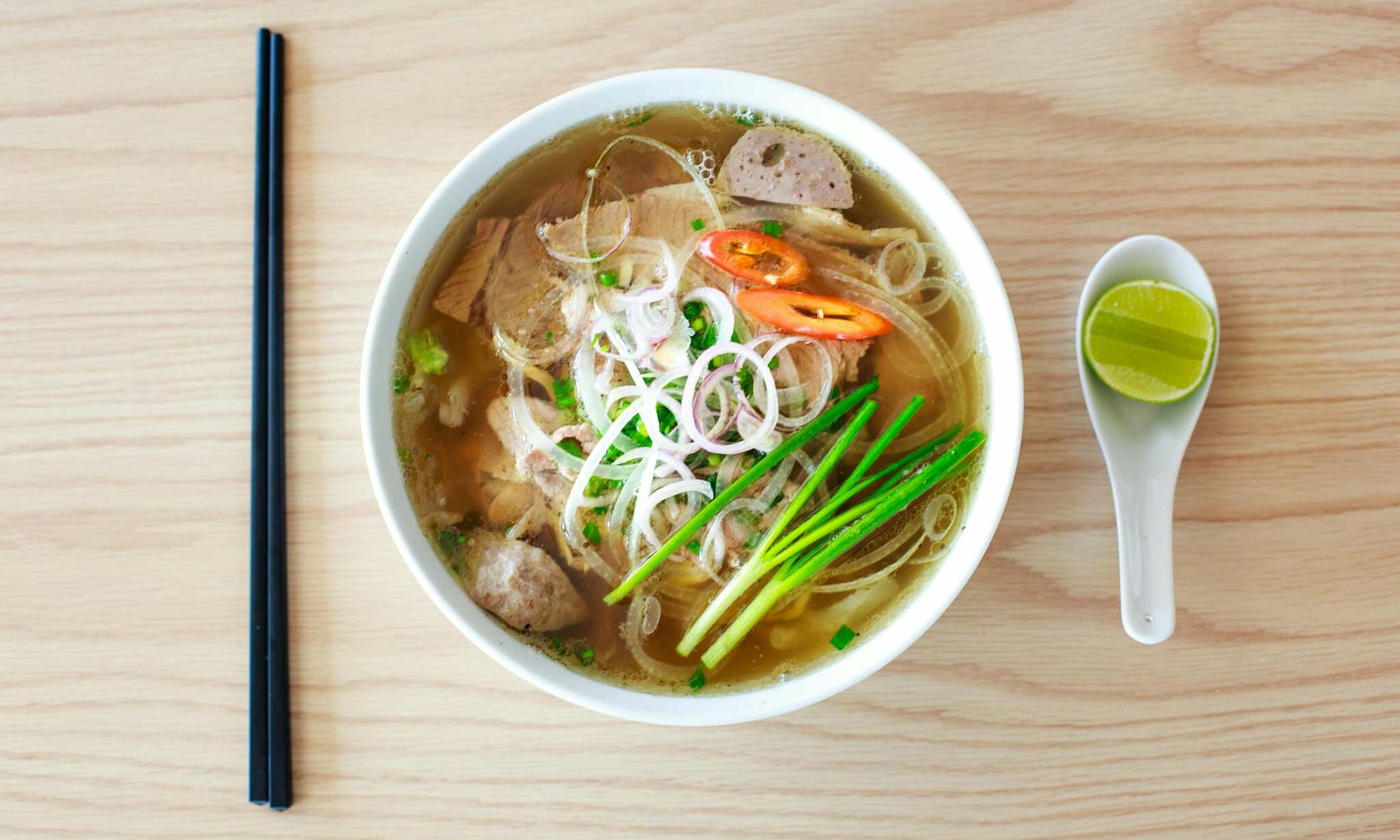
In Vietnam, the act of re-seasoning food—especially noodle soups—has become almost second nature for many diners. It's a common sight in Vietnamese restaurants: a customer sits down, and without even taking a spoonful of broth, reaches for the fish sauce bottle, chili jar, or a wedge of lime. This behavior seems automatic, as if the bowl of pho must be "a bit stronger," "a bit spicier," and eventually, sometimes unbearably salty.
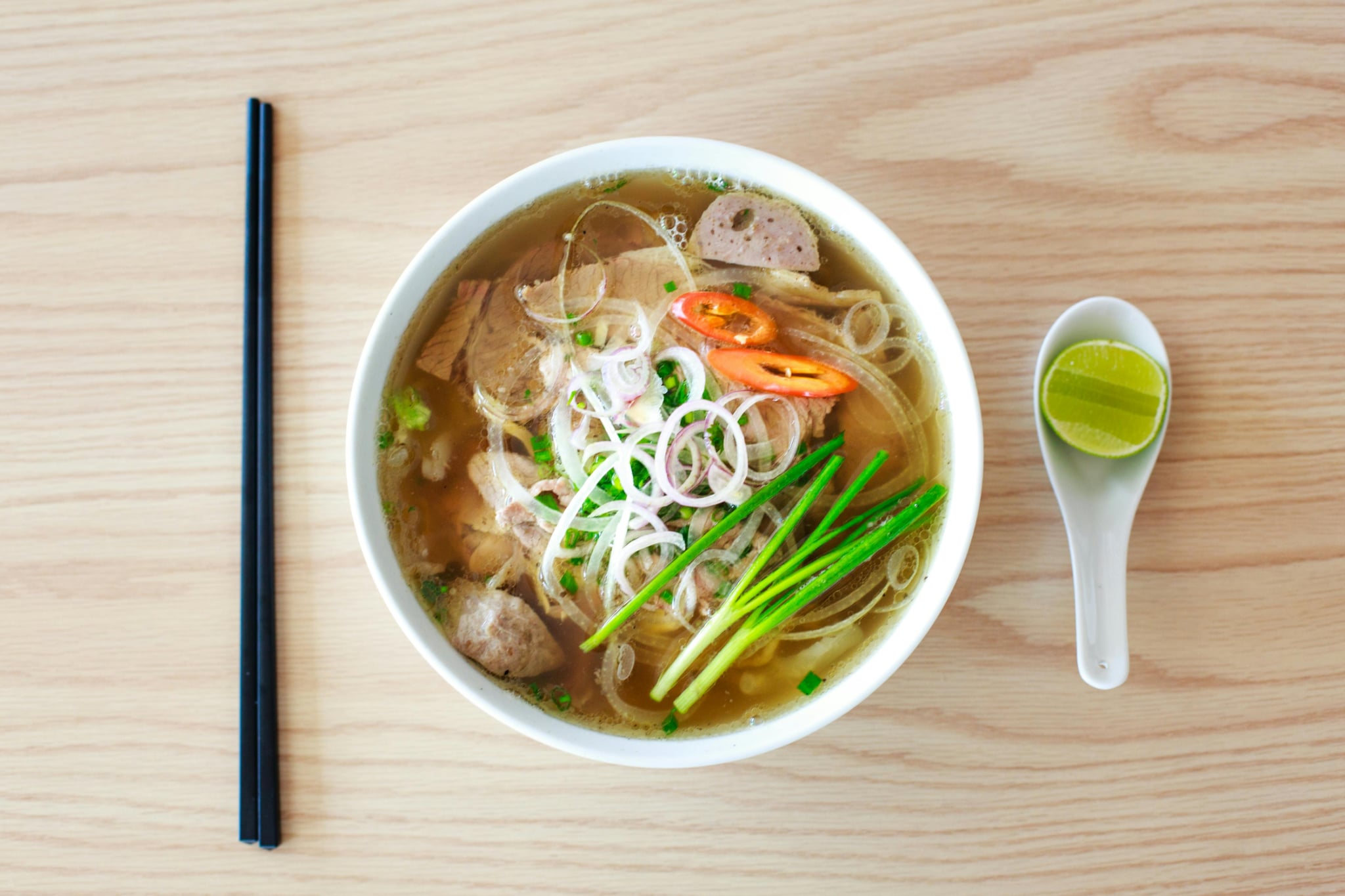
A bowl of pho. Photo by Pexels
This habit is most prevalent with Vietnamese noodle dishes, and it has become an integral part of the dining culture. Whether it's pho, hu tieu, bun bo, or even broken rice (com tam), every table is typically lined with condiments. It's an unspoken invitation: season your meal however you like.
Most people don't trust the chef's palate more than their own. They add fish sauce before tasting, then chili, then a pinch of sugar. The result is often a muddled flavor that overshadows the chef's careful balance. This practice, while rooted in personal preference, can lead to an overcomplicated taste that detracts from the original intention of the dish.
There are several reasons behind this behavior. Some individuals prefer delicate flavors, while others lean towards bolder and spicier options. In a pho shop where each person brings their own "standard taste," customization becomes the norm. However, this mindset creates a cycle: restaurants start cooking saltier meals to cater to a broader audience, and diners, in turn, feel the need to add even more seasoning.
Moreover, our palates have been conditioned to crave intensity. Softer, more subtle dishes are often dismissed as "bland" or "lacking salt." This shift in taste preferences may explain why many traditional Vietnamese dishes have lost some of their original finesse, which once made the cuisine famous for being "balanced yet gentle."
It's important to recognize that sometimes a bowl of pho needs nothing extra—it should be enjoyed exactly as the chef intended. The flavor lies in the delicate balance already built into the dish. Knowing when to stop is not just about preserving the taste of the meal but also about honoring the grace and tradition of Vietnamese cuisine itself.
The Cultural Significance of Seasoning
The act of re-seasoning reflects more than just individual taste; it speaks to the cultural values of autonomy and personalization. In Vietnam, there is a strong emphasis on individual choice, and this extends to the dining experience. Diners take pride in adjusting their meals to suit their preferences, which is seen as a sign of self-reliance and control over one’s culinary experience.
However, this approach can sometimes clash with the traditional methods of cooking that emphasize harmony and subtlety. Chefs spend years perfecting their recipes, balancing ingredients to create a cohesive and nuanced flavor profile. When diners repeatedly alter these flavors, they risk losing the essence of what makes the dish special.
The Impact on Culinary Traditions
Over time, the widespread habit of re-seasoning has influenced how dishes are prepared. Restaurants may adjust their recipes to accommodate the general preference for stronger flavors, leading to a shift in the overall taste of traditional dishes. This change can be subtle but significant, gradually altering the character of Vietnamese cuisine.
Additionally, this trend can affect how younger generations perceive traditional flavors. If they are accustomed to heavily seasoned dishes, they may struggle to appreciate the subtler, more refined tastes that were once celebrated in Vietnamese cooking. This could lead to a loss of appreciation for the artistry involved in creating balanced and harmonious dishes.
A Call for Balance
While personal preference is valid, there is value in recognizing the skill and intention behind a chef's work. Enjoying a dish as it was meant to be served allows for a deeper connection to the culture and history behind it. It also encourages a more mindful approach to eating, where the focus is on savoring the natural flavors rather than overpowering them.
By embracing the idea of balance, both in flavor and in cultural appreciation, we can preserve the integrity of Vietnamese cuisine while still respecting individual tastes. It’s a delicate act—one that requires awareness, respect, and a willingness to appreciate the nuances of traditional cooking.


Comments
Post a Comment