Tropical Insects on Korean Shores Signal Climate Change
Rising Presence of Tropical and Subtropical Insects in South Korea
Recent discoveries of new insect species on domestic islands have revealed a significant shift in the ecological landscape of the Korean Peninsula. More than half of these newly identified insects are classified as "tropical and subtropical," indicating a rapid transition from a temperate to a tropical and subtropical climate.
The Honam National Institute of Biological Resources shared this information on the 19th, stating that between 2021 and 2024, out of 45 unrecorded insect species discovered through initiatives like the "Island and Coastal Bioresource Survey and Discovery Project," 25 were tropical or subtropical insects. The remaining 20 species were categorized as temperate or cold-climate insects.
"Unrecorded species" refer to those that are known to exist in other countries but have been found for the first time in South Korea. This classification highlights the growing diversity of species entering the region, which may be linked to environmental changes.
Key Examples of New Discoveries
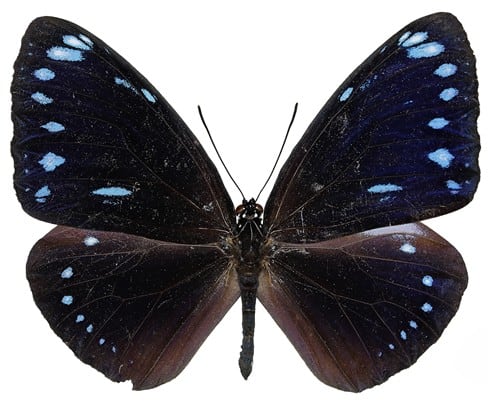
Among the newly discovered tropical and subtropical insects is the Resembling Sand Slender Flat Bug, which was confirmed in Jeju. Another example is the Blue-striped Crow Emperor Butterfly, found on Geoje Island. These species are originally native to low latitudes near the equator, such as Japan’s Okinawa and India.
These findings suggest that South Korea is experiencing an influx of species typically associated with warmer climates. The presence of these insects in regions with a traditionally distinct temperate climate points to broader environmental shifts.
Islands as Entry Points for Foreign Species
The institute emphasized that islands serve as the initial entry points for foreign species and act as intermediate hubs when these species spread inland. This role is crucial in understanding how biodiversity changes over time, especially in response to climate change.
According to the institute, the appearance of tropical and subtropical insects in South Korea demonstrates that climate change is having a tangible impact on the country's biodiversity. As global temperatures rise, ecosystems are adapting, leading to the migration of species into new areas.
Implications for Biodiversity and Climate Change
The discovery of these insects raises important questions about the long-term effects of climate change on South Korea's natural environment. As temperatures continue to increase, it is likely that more species will move into the region, altering local ecosystems and potentially impacting native flora and fauna.
This trend also underscores the importance of ongoing research and monitoring efforts. By tracking the movement and adaptation of species, scientists can better understand the dynamics of climate change and its effects on biodiversity.
Future Research and Conservation Efforts
With the increasing presence of tropical and subtropical insects, there is a need for further studies to assess their impact on local ecosystems. Researchers must determine whether these species are thriving in their new environments or if they pose challenges to existing wildlife.
Conservation strategies may also need to evolve to accommodate these changes. Protecting native species while managing the introduction of new ones will be essential in maintaining ecological balance.
In conclusion, the recent discoveries highlight the dynamic nature of South Korea's biodiversity and the urgent need to address the impacts of climate change. As the country continues to experience shifts in its climate, the presence of tropical and subtropical insects serves as a clear indicator of these changes.


Comments
Post a Comment