Trump's Asia Journey: Malaysia, Japan, South Korea Visit
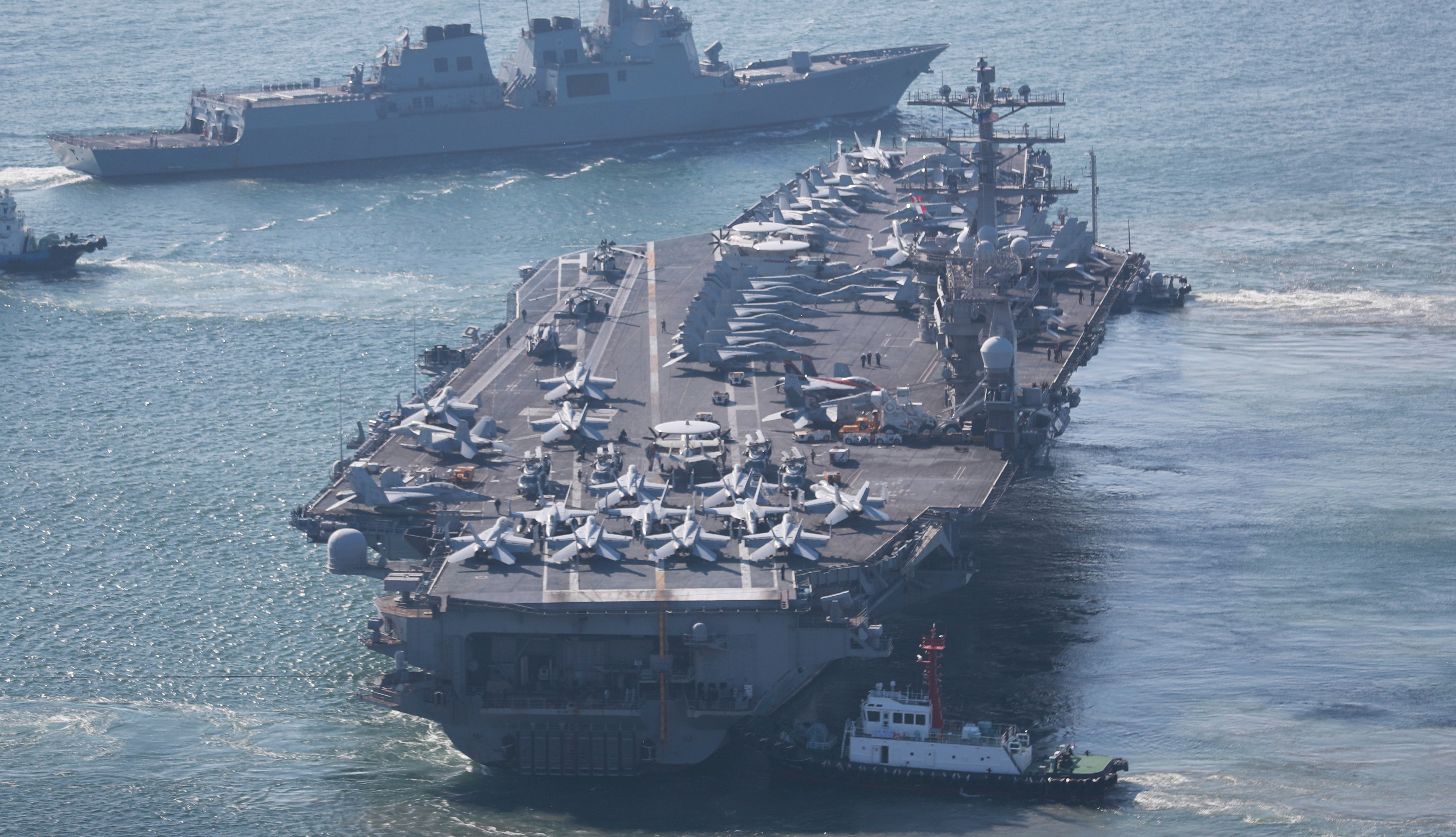
U.S. President's Asia Tour: A Strategic Move in Diplomatic Relations
U.S. President Donald Trump embarked on his first trip to Asia during his second term, visiting Malaysia, Japan, and South Korea. This journey is significant as it reflects the ongoing efforts of countries in the region and around the world to adapt to his transactional approach to diplomacy.
One of the key objectives of Trump’s tour is to reassure allies and like-minded nations about the United States' commitment to the Indo-Pacific region. The highlight of the trip is expected to be a face-to-face meeting with Chinese President Xi Jinping, which underscores the importance of U.S.-China relations in the current geopolitical landscape.
Malaysia: A Strategic First Stop
Trump’s first destination was the Malaysian capital, Kuala Lumpur, where he attended meetings with leaders of the Association of Southeast Asian Nations (ASEAN). The United States does not engage with ASEAN at the presidential level every year, making this visit particularly notable. During his first term, Trump only attended the ASEAN summits once, when the Philippines hosted them in 2017.
Despite its long-standing policy of neutrality and avoidance of geopolitical rivalry, ASEAN has been assessing Washington's interest in the regional organization based on whether a U.S. president participates in its major annual meetings. Trump’s decision to attend the ASEAN-related events and choose Malaysia as the first stop on his trip signifies that his nine-month-old administration is willing to strengthen ties with Southeast Asian countries, even those not on its high-priority list.
Peace Deal Signing in Malaysia
The apparent main reason for Trump’s decision to travel to Kuala Lumpur, despite the long flight, is to witness the signing of a peace deal between Cambodia and Thailand alongside Malaysian Prime Minister Anwar Ibrahim. The venue will provide Trump with an opportunity to cast himself as a peacemaker, as Cambodia and Thailand have agreed to stop fighting along their shared border following a five-day deadly conflict in July.
After the skirmishes, Trump urged the leaders of both countries to end the conflict or face hefty U.S. tariffs. His involvement in the peace deal highlights his approach to diplomacy, which often involves leveraging economic pressure to achieve political goals.
Japan: A Familiar Destination
Trump’s itinerary in Japan, starting Monday, will largely mirror his 2019 state visit to Tokyo. During that time, he spent hours with then-Prime Minister Shinzo Abe, with whom he had a close relationship. He also met with Emperor Naruhito and the relatives of Japanese nationals abducted by North Korea decades ago. Additionally, he visited a U.S. naval base near Tokyo.
This time, Trump is meeting a new Japanese leader, Sanae Takaichi, Japan's first female prime minister, with the talks on Tuesday coming just a week after she took office. Takaichi, a hard-line conservative, is known as an ardent follower of Abe, who built the best personal relationship with Trump among world leaders in his first presidency.
During his three-day stay in Tokyo, Trump is almost certain to speak fondly of Abe, who was assassinated at a campaign rally in 2022, and emphasize the strength of the decades-old alliance between Washington and Tokyo. At the same time, Trump is likely to praise the trade deal that both sides reached this summer and reiterate his call for Japan to boost investment in the United States and buy more American products.
South Korea: A Focus on Trade and Tensions
Trump will depart for South Korea on Wednesday morning amid his continued accusations against various countries. South Korea chairs an annual summit of the Asia-Pacific Economic Cooperation (APEC) forum, which has long promoted greater trade and economic integration among 21 Pacific Rim members, including Australia, Chile, Japan, Russia, Singapore, and the United States.
Trump, who has embraced tariffs as a primary tool of both economic policy and diplomacy, will skip the two-day summit beginning Friday. However, he plans to hold in-person talks with the Chinese president on Thursday before returning to Washington amid renewed trade tensions between the world's two largest economies.
Since China announced new export curbs on rare earth minerals vital to high-tech industries earlier this month, Trump has threatened to impose an additional 100 percent tariff on goods imported from the Asian economic powerhouse beginning Nov. 1. This move highlights the growing tensions between the U.S. and China, as well as Trump’s continued use of tariffs as a diplomatic tool.
Conclusion
Trump’s Asia tour reflects his strategic approach to diplomacy, focusing on strengthening alliances, promoting trade, and addressing conflicts through economic leverage. As he continues his journey, the outcomes of these interactions will have significant implications for U.S. foreign policy and global relations.


Comments
Post a Comment