Trump's Ukraine Peace Plan: Key Details Revealed
New Peace Proposal for Ukraine: A Controversial Plan
A new peace proposal for Ukraine has emerged, suggesting significant concessions by Kyiv. The plan, drafted by the administration of former US President Donald Trump, aims to end the ongoing conflict in the region. According to reports, the proposal would require Ukraine to cede large parts of its territory to Russia, limit its military size, and prevent it from joining NATO.
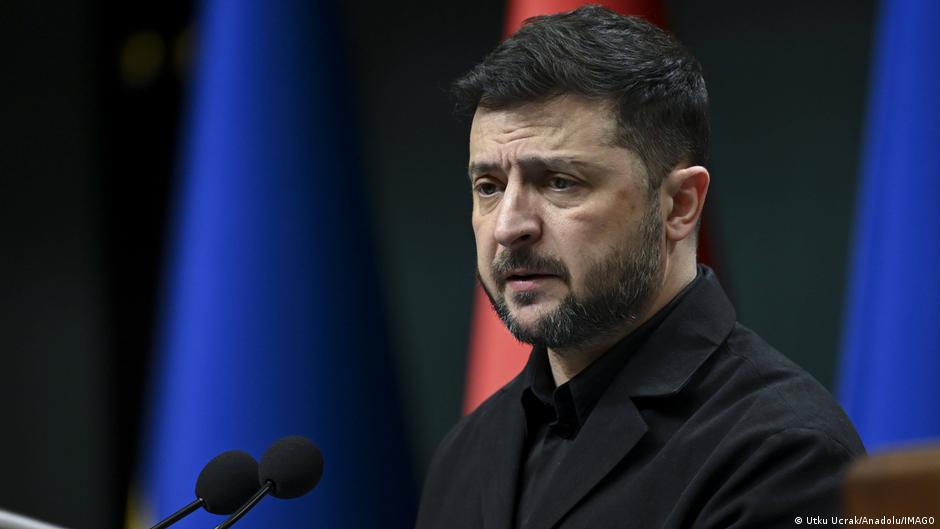
The 28-point plan, described by US officials as a "working document," appears to favor Russia, which initiated the war with a full-scale invasion of Ukraine in February 2022. Trump's special envoy, Steve Witkoff, and US Secretary of State Marco Rubio have been "quietly" working on the plan, according to the White House. The president reportedly supports the plan, stating that it is "a good plan for both Russia and Ukraine."
Ukraine's President Volodymyr Zelenskyy responded to the proposal on social media, expressing a measured stance but avoiding direct commentary on the plan itself. He wrote, "We're geared up for clear and honest work."
Key Components of the Peace Plan
The proposed peace plan includes several key components:
- Territorial Concessions: Ukraine would be required to recognize Crimea, Luhansk, and Donetsk as de facto Russian territories, including areas that Russian forces failed to seize.
- Security Measures: Ukraine's military would be limited to 600,000 troops, and it would receive "robust security guarantees."
- NATO Restrictions: Ukraine would not be allowed to join NATO, and the alliance would be barred from expanding further or stationing troops in the country.
- Election Deadline: Ukraine would need to hold elections within 100 days.
Reconstruction and Economic Provisions
In addition to the territorial and security measures, the plan proposes a comprehensive reconstruction plan for Ukraine. This includes $100 billion in frozen Russian assets to be used for development and investment. Russia would see phased sanction relief and be invited to rejoin the G8. A non-aggression agreement would be concluded between Russia, Ukraine, and Europe, according to the plan.
Russia would also retain half of the power generated by Europe's largest nuclear power plant, Zaporizhzhia, which is located in Ukraine. The United States would enter into an agreement with Russia covering energy, natural resources, infrastructure, artificial intelligence, data centers, and rare earth metals extraction in the Arctic.
European Skepticism and Russian Response
However, European nations, who are key backers of Ukraine, have expressed skepticism about the proposal. They indicated they would not accept demands for Kyiv to make punishing concessions. European Union foreign policy chief Kaja Kallas stated, "For any plan to work, it needs Ukrainians and Europeans on board." She added, "We haven't heard of any concessions on the Russian side."
French Foreign Minister Jean-Noel Barrot emphasized the importance of a "just peace that respects everyone's sovereignty" and warned against a "capitulation."
Meanwhile, Russia stated that it had nothing to add beyond the position Putin laid out at a summit with Trump in August. Kremlin spokesman Dmitry Peskov said, "Consultations are not currently underway. There are contacts, of course, but there is no process that could be called consultations."
This controversial proposal has sparked debate among international stakeholders, highlighting the complex challenges of achieving a lasting peace in the region.


Comments
Post a Comment