Ultra-Processed Foods Endanger Global Health — Experts Warn
The Growing Threat of Ultra-Processed Foods
Ultra-processed foods (UPFs) are increasingly being recognized as a major public health concern, with global health experts urging governments to take decisive action. A new research paper has highlighted the role of UPFs in contributing to a range of serious health issues, including obesity, cancer, and other chronic diseases.
More than 40 international experts have published their findings in the prestigious medical journal The Lancet. Their research points to the negative impact of UPFs on global diets and the rising prevalence of health problems linked to these foods. Carlos Monteiro, a lead researcher from the University of Sao Paulo, emphasized the importance of the evidence available today regarding the relationship between UPFs and human health.
"What we know right now justifies global public action," Monteiro stated during an online briefing.
The Role of the Food Industry
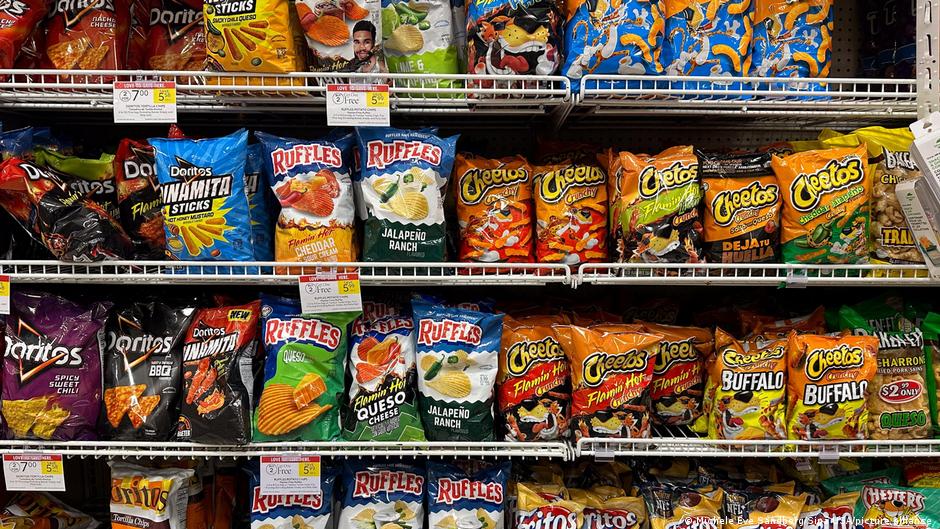
The researchers have pointed to the food industry as a key factor in the increasing consumption of UPFs. In countries such as the United States, Australia, and the United Kingdom, UPFs already account for more than half of all calories consumed. They argue that large corporations have significantly influenced global diets over recent decades by promoting products made with low-quality ingredients and artificial processing methods.
Eight major UPF manufacturers—Nestle, PepsiCo, Unilever, Coca-Cola, Danone, Fomento Economico Mexicano, Mondelez, and Kraft Heinz—control 42% of the sector’s $1.5 trillion (€1.3 trillion) in assets, according to the study.
"The key driver of the global rise in UPFs is the growing economic and political power of the UPF industry, and its restructuring of food systems for profitability above all else," the researchers wrote.
They further explained that the industry includes not only manufacturers but also a network of actors involved in the production, marketing, and consumption of UPFs.
Calls for Policy Action
In response to these findings, the authors of the paper have called on governments to implement measures to reduce the consumption of UPFs. These include:
- Introducing warning labels on food packaging
- Restricting marketing of ultra-processed foods, especially to children
- Imposing taxes on certain types of UPFs
These actions aim to raise awareness among consumers and encourage healthier dietary choices.
The Politics of Food Classification
The term "ultra-processed foods" has sparked debate within the scientific community. Some researchers have criticized the classification as overly simplistic. This disagreement has led to a heated discussion about the validity and usefulness of the term.
Despite this, the authors of the paper acknowledge the criticisms raised in the Lancet series, admitting that more research is needed. However, they argue that the existing evidence is sufficient to justify government intervention.
The researchers also addressed concerns about attempts to create doubt around their findings, comparing them to tactics previously used by the tobacco industry to downplay the health risks of smoking.
Conclusion
As the global conversation around UPFs continues to evolve, the need for clear, science-based policies becomes increasingly urgent. With the influence of the food industry growing stronger, it is essential for governments to act decisively to protect public health and promote better nutrition. The call for action is clear: the time to address the dangers of ultra-processed foods is now.


Comments
Post a Comment