U.S. Approves AI Chip Sale to Saudi Arabia
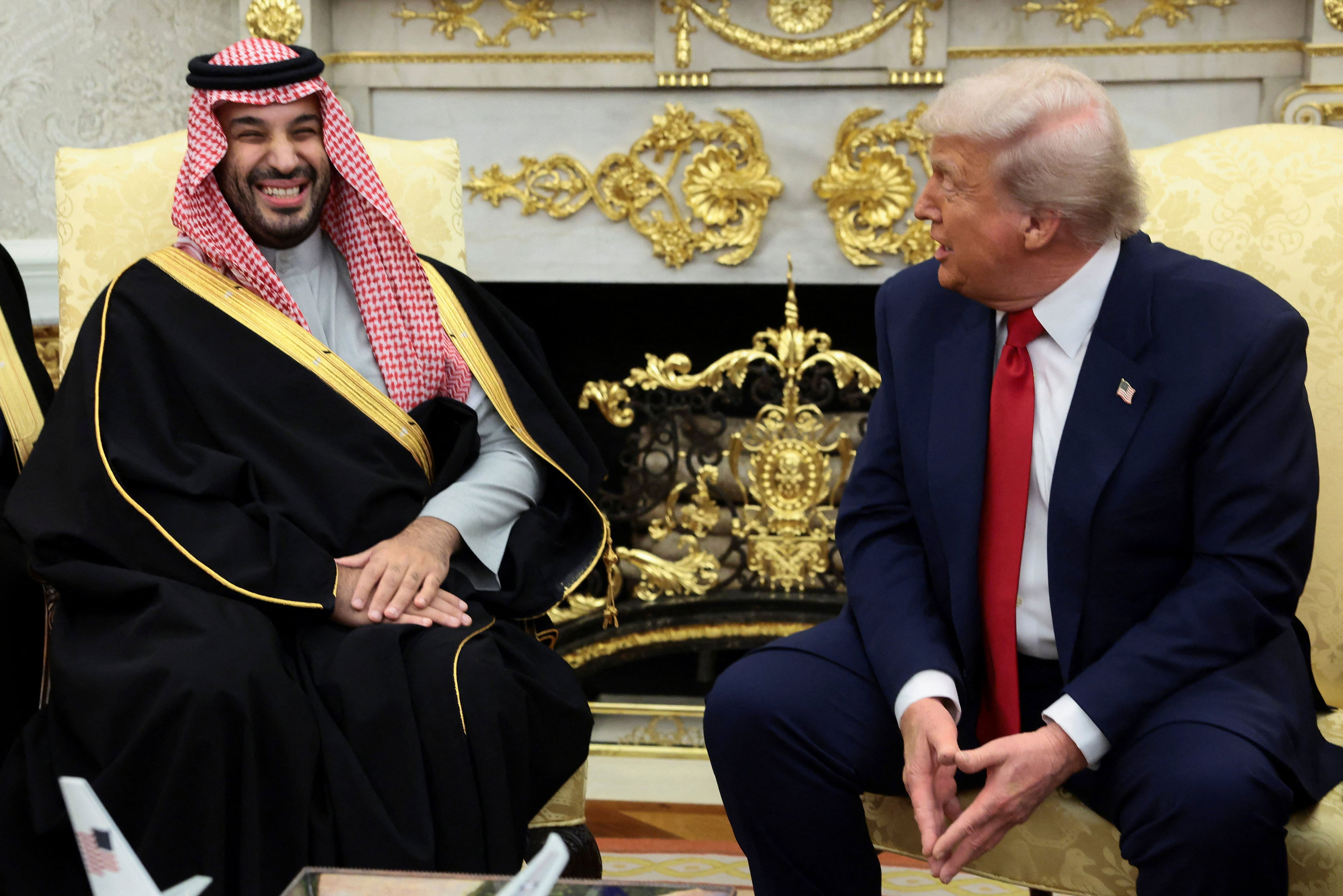
Strategic Collaboration Between the U.S. and Saudi Arabia
The U.S. government is reportedly on the verge of approving the sale of advanced artificial intelligence (AI) chips to a prominent Saudi Arabian AI company, according to recent reports. This development highlights an emerging strategic partnership between the two nations, with significant implications for the global AI industry.
Increased Investment and New Agreements
During a bilateral meeting at the White House, Crown Prince Muhammad bin Salman of Saudi Arabia announced that the country's investment in the U.S. would increase from the current $600 billion to $1 trillion. This substantial financial commitment underscores the growing economic ties between the two countries. In addition, the U.S. and Saudi Arabia signed a memorandum of understanding focused on AI collaboration. Bloomberg reported that this agreement could be finalized within the week, with the U.S. government expected to positively review negotiations for exporting AI chips to Saudi Arabia. Although specific details remain undisclosed, the scale of approval is anticipated to involve tens of thousands of chips.
The Rise of Humain
Humain, a state-owned AI company launched in May, is at the center of this new development. Established under the leadership of the $1 trillion Saudi sovereign wealth fund (PIF), Humain has the backing of Crown Prince Muhammad bin Salman, who serves as its chairman. The crown prince emphasized the importance of AI for Saudi economic growth, stating that the country plans to invest $50 billion in semiconductors in the short term. Additionally, Humain has announced plans to build an AI data center with a capacity of 6.6 gigawatts (GW) by 2034, signaling a major push into the AI infrastructure sector.
U.S. Restrictions and Security Concerns
The U.S. Department of Commerce has imposed restrictions on AI chip exports to approximately 40 countries, including Saudi Arabia, since 2023. These restrictions were implemented due to concerns over technology leakage to China. President Trump maintained these measures while concluding AI deals, including large-scale chip sales to the Middle East. As part of these agreements, the U.S. has included 'security conditions' requiring Saudi Arabia to exclude Chinese technology and opt for the U.S. semiconductor ecosystem. Notably, Humain has previously stated it will not purchase equipment from Chinese company Huawei.
Future Collaborations and Implications
U.S. Treasury Secretary Scott Bessent highlighted the potential for future collaborations during a Fox News interview following the bilateral meeting. He mentioned that the U.S. would work closely with its largest technology companies and that Saudi startups would receive a small supply of chips to support their business expansion. This move could foster innovation and technological advancement in Saudi Arabia's startup ecosystem.
Conclusion
The proposed sale of AI chips to Saudi Arabia marks a pivotal moment in the evolving relationship between the U.S. and the Kingdom. With increased investment, new agreements, and strategic collaborations, both nations are positioning themselves to lead in the global AI landscape. As the details of these developments unfold, the impact on the international tech industry and geopolitical dynamics remains to be seen.


Comments
Post a Comment