Vietnamese Abroad Return Home for Dental Care
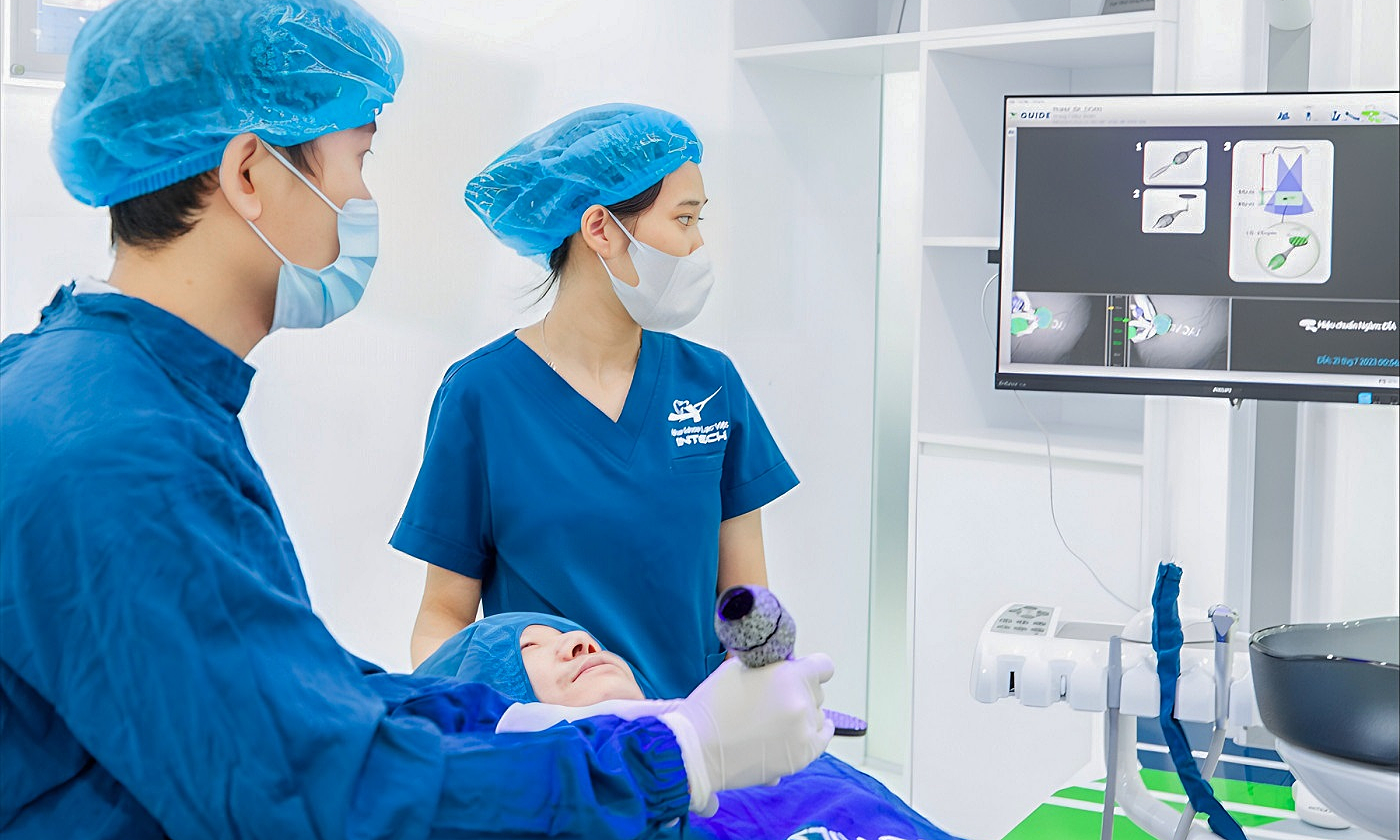
Many overseas Vietnamese are choosing to undergo dental procedures in Vietnam, including implants, porcelain crowns, and cosmetic veneers. Lac Viet Intech Dental Clinic attributes the trend to increased confidence in the qualifications of Vietnamese dentists and in available clinical technology, as well as to lower costs compared with some other countries.
Large dental centers in Vietnam report they offer modern equipment and that their clinical teams receive formal training, including overseas training. "Overseas Vietnamese increasingly trust Vietnamese doctors. They recognize that the technology, equipment, and procedures at major centers in Vietnam are comparable to those abroad," said Dr. Nguyen Hoang Duong, an implant specialist at Lac Viet Intech, who has treated overseas Vietnamese patients at the clinic.
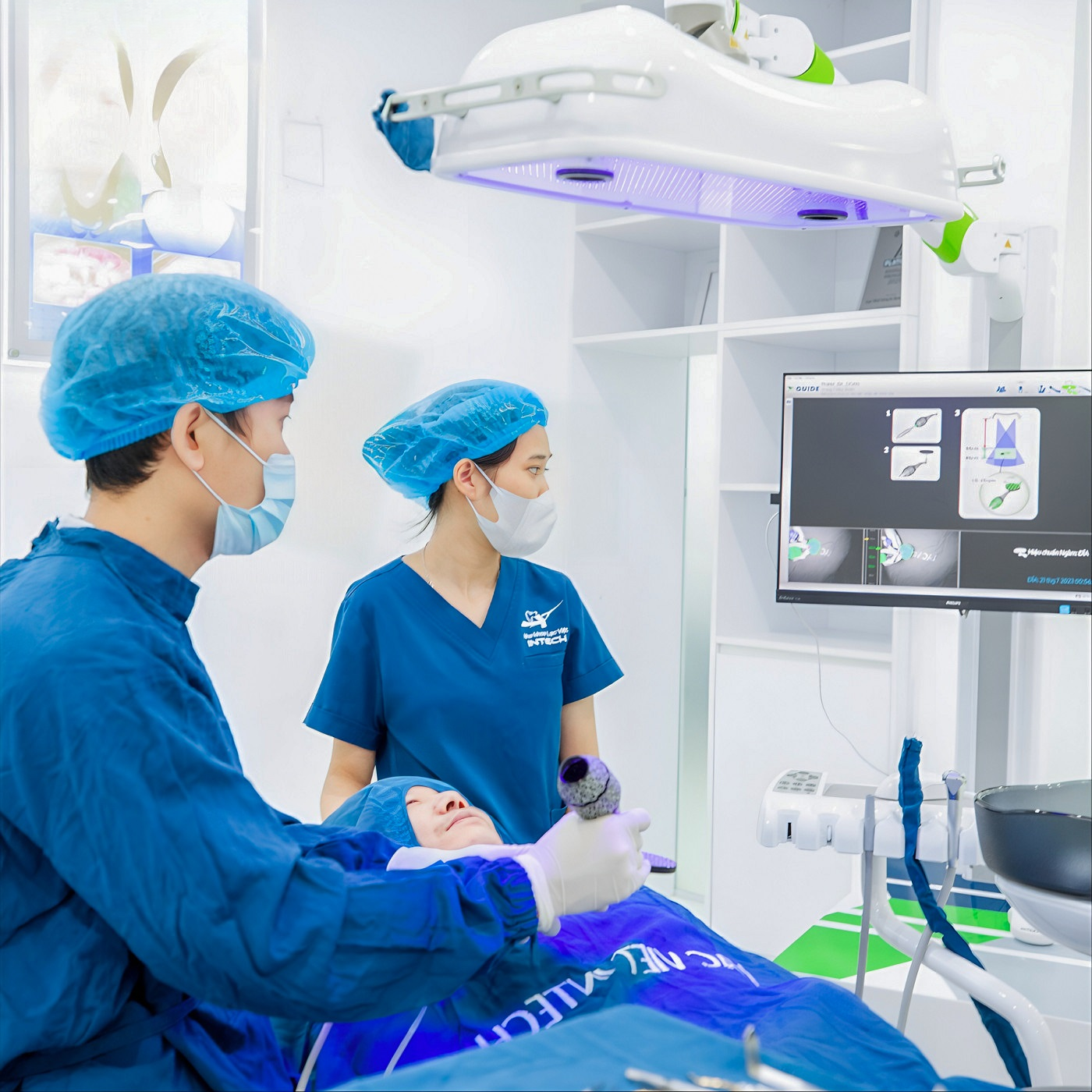
Lac Viet Intech is a pioneering dental facility that utilizes virtual reality technology in implant surgery. Photo courtesy of Lac Viet Intech Dental Clinic
Dr. Duong said the main factors influencing patients' decisions are cost, convenience, and treatment precision. A single dental implant in countries such as the U.S., Australia, or Canada typically ranges from about $3,000 to $6,000. In Vietnam, clinics report that the price for the same implant systems performed by trained specialists can be a fraction of those amounts.
Many overseas Vietnamese travel home for short visits (commonly 2–3 weeks). Some clinics have developed streamlined treatment schedules intended to reduce the number of visits and to coordinate procedures within typical trip durations.
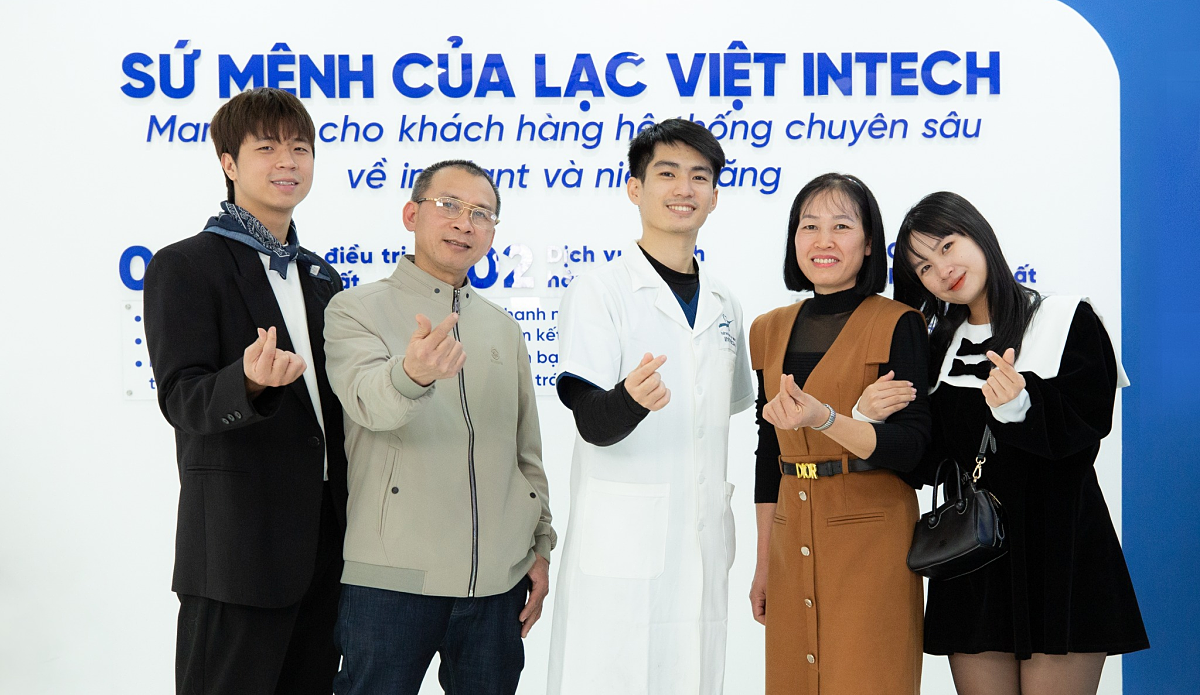
An overseas Vietnamese family takes a photo with a doctor (C) at Lac Viet Intech Dental Clinic after completing procedures. Photo courtesy of Lac Viet Intech Dental Clinic
The next reason for overseas Vietnamese to choose clinics at home is their techniques that guarantee high precision. Clinics increasingly use digital workflows and software to support diagnosis, planning, and fabrication. According to Dr. Duong, some centers use image-guided systems and surgical guides to assist implant placement and provide individualized healing posts and abutments. Porcelain crowns produced with multilayer 3D systems are used for aesthetic restoration and functional durability. Clinics also report storing treatment records digitally and offering remote follow-up for patients who return abroad.
Dr. Duong cautioned that certain marketing claims can be misleading. Short timelines advertised as "teeth in 6 hours" or "teeth in 24 hours" typically refer to placement of temporary prostheses for immediate aesthetics and limited function. He said that osseointegration, the process by which an implant bonds with bone, generally requires a waiting period of approximately 1.5–3 months, depending on the implant type.
He also noted that some cases require additional procedures such as bone grafting or sinus lifts when there is significant bone loss, active periodontal disease, or long-term tooth absence. These procedures can extend overall treatment time and affect scheduling for patients with limited travel windows.
"For overseas Vietnamese, treatment planning is important. Patients can send images and scans for remote consultation so clinicians can provide a preliminary assessment and a detailed treatment plan prior to arrival," he said.
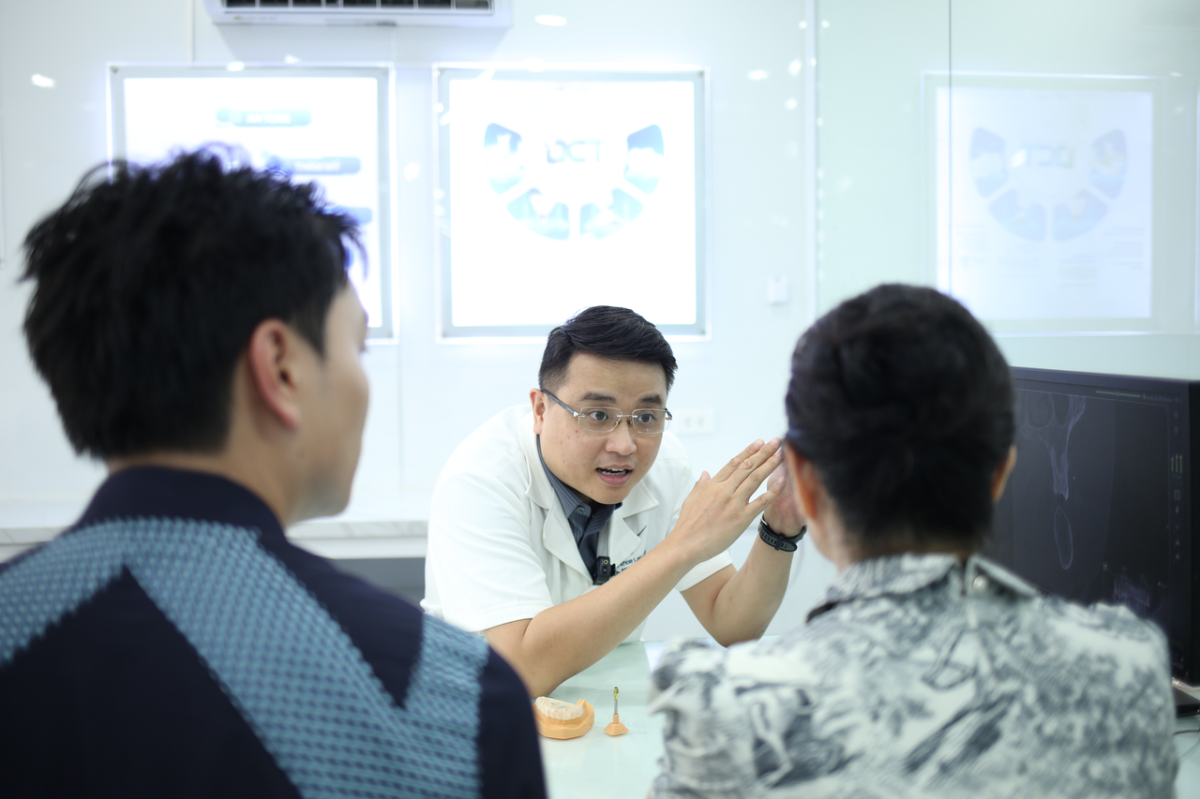
A dental doctor giving advice to patients. Photo courtesy of Lac Viet Intech Dental Clinic
Dr. Duong recommended that overseas Vietnamese considering treatment during short trips home evaluate the clinic's track record, after-care processes, availability of remote support, and transparency of treatment information.
"With developments in local dental services, some patients view short trips home as an opportunity to receive dental care at a lower cost while accessing available clinical resources," he said.
Key Factors Driving the Trend
- Cost Efficiency: Dental procedures in Vietnam are significantly more affordable than in many Western countries, making it an attractive option for overseas Vietnamese looking to save money without compromising on quality.
- Advanced Technology: Clinics like Lac Viet Intech utilize cutting-edge tools such as virtual reality and image-guided systems to ensure precision and accuracy in treatments.
- Convenience: Short-term visits allow patients to schedule multiple procedures within a limited timeframe, reducing the need for repeated trips.
- High Standards of Care: Many clinics maintain rigorous training programs and use digital workflows to enhance diagnostic accuracy and treatment outcomes.
Patient Considerations
- Understanding Treatment Timelines: While some clinics advertise rapid procedures, patients should be aware that full recovery and integration of implants may take several months.
- Additional Procedures: Cases involving bone loss or other complications may require extra steps, which can impact the overall treatment duration.
- Remote Support: Digital record-keeping and remote consultations help patients stay informed and supported even after returning to their home countries.
Recommendations for Overseas Patients
- Research the Clinic: Evaluate the clinic’s reputation, success rates, and patient reviews before booking any procedures.
- Seek Detailed Plans: Ensure that a clear treatment plan is provided, including expected timelines, costs, and potential complications.
- Utilize Remote Consultations: Take advantage of pre-arrival consultations to discuss your needs and expectations with the dental team.
As the quality of dental care in Vietnam continues to improve, more overseas Vietnamese are turning to their home country for affordable, high-quality dental treatments. With the right preparation and guidance, patients can achieve excellent results while saving time and money.


Comments
Post a Comment