Why Vietnamese Travelers Prefer Carry-On Luggage
The Rise of Carry-On Travel
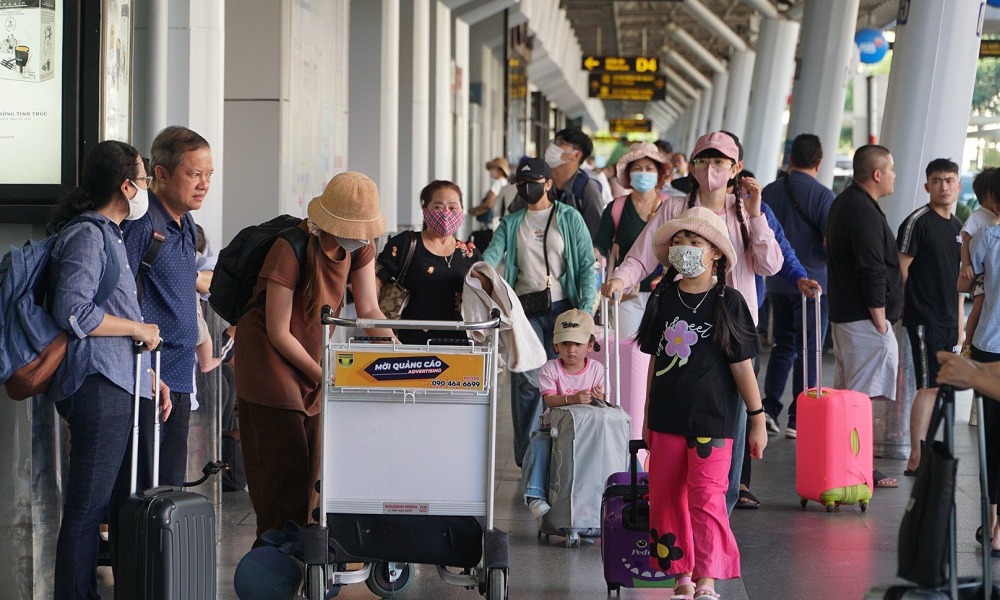
Long waits at luggage carousels, the risk of damage to their baggage, and low-cost airlines' strict rules are causing many people to fly with just cabin bags. This trend is becoming increasingly common, especially among frequent travelers who are looking for convenience and efficiency.
Le Phat Dat, a travel blogger who flies three or four times a month, shares his perspective on this issue. He mentions that he does not mind paying for check-in baggage on international flights, but usually carries his bag onboard on domestic trips. "The fee for checked baggage is not high, but waiting to pick it up wears me out," he explains.
Another blogger, Vinh Le, recalls a particularly frustrating experience. He once waited for 45 minutes after a flight from Hong Kong to Ho Chi Minh City for his baggage, and staff offered neither an explanation nor an apology. Such incidents highlight the growing dissatisfaction among passengers regarding the service provided by airlines.
Concerns Over Baggage Damage
The threat of damage to bags is also a major concern for passengers. Dat shared a personal story about his bag being damaged, and he only received VND300,000 (US$11.40) in compensation. As a blogger, electronic devices are his most important items, and they cannot be checked in, so he often avoids checking in luggage.
Many passengers choose to travel with only carry-on luggage to avoid high fees, especially on low-cost carriers. Budget airlines dominate the Vietnam domestic market and only allow seven kilograms of carry-on baggage free. Check-in baggage is payable, which can add up quickly.
Hoai An of Hanoi says she had to pay VND600,000 for two kilograms of excess hand baggage on a flight from Hanoi to Bangkok in 2023. Since then, she has always paid for check-in baggage while booking international flights, pointing out that the cost is twice if paid at the airport.
Disputes and Passenger Frustrations
Excess baggage demands often lead to disputes at boarding gates, with passengers refusing to pay and criticizing airlines for being "rigid." Nguyen Tien Dat, vice president of the Hanoi Tourism Association, said poor communication and inconsistent inspection practices harm some airlines’ reputations, criticizing the use of "market-like scales" for random checks.
Airlines should use electronic scales and take a relaxed approach if the excess is only one or two kilograms to avoid humiliating passengers, he said. "Many passengers feel uncomfortable being scrutinized at the boarding gate as if they were committing a crime," he added.
New Rules and Public Reaction
The issue of carry-on baggage has gained attention online after Vietnam Airlines began charging for hand baggage that exceeds the prescribed size or weight from Nov. 3, for "safety reasons and efforts to improve the passenger experience."
This move has sparked discussions among travelers, with some expressing concerns over the additional costs and others questioning the necessity of such measures. The debate continues as airlines try to balance operational efficiency with passenger satisfaction.
Key Takeaways
- Traveler Preferences: Many travelers prefer carry-on bags to avoid long waits and potential damage.
- Cost Considerations: Excess baggage fees can be significant, especially when paid at the airport.
- Service Issues: Poor communication and inconsistent practices at airports can lead to frustration among passengers.
- Regulatory Changes: New rules on carry-on baggage have raised questions about their impact on the travel experience.
As the aviation industry evolves, it's clear that the way airlines handle baggage will continue to influence how passengers choose to travel. Whether through improved communication, more flexible policies, or technological advancements, the goal remains the same: to enhance the overall passenger experience.


Comments
Post a Comment