Chinese Drone Firm Backs North Korea Exports Amid UN Sanctions
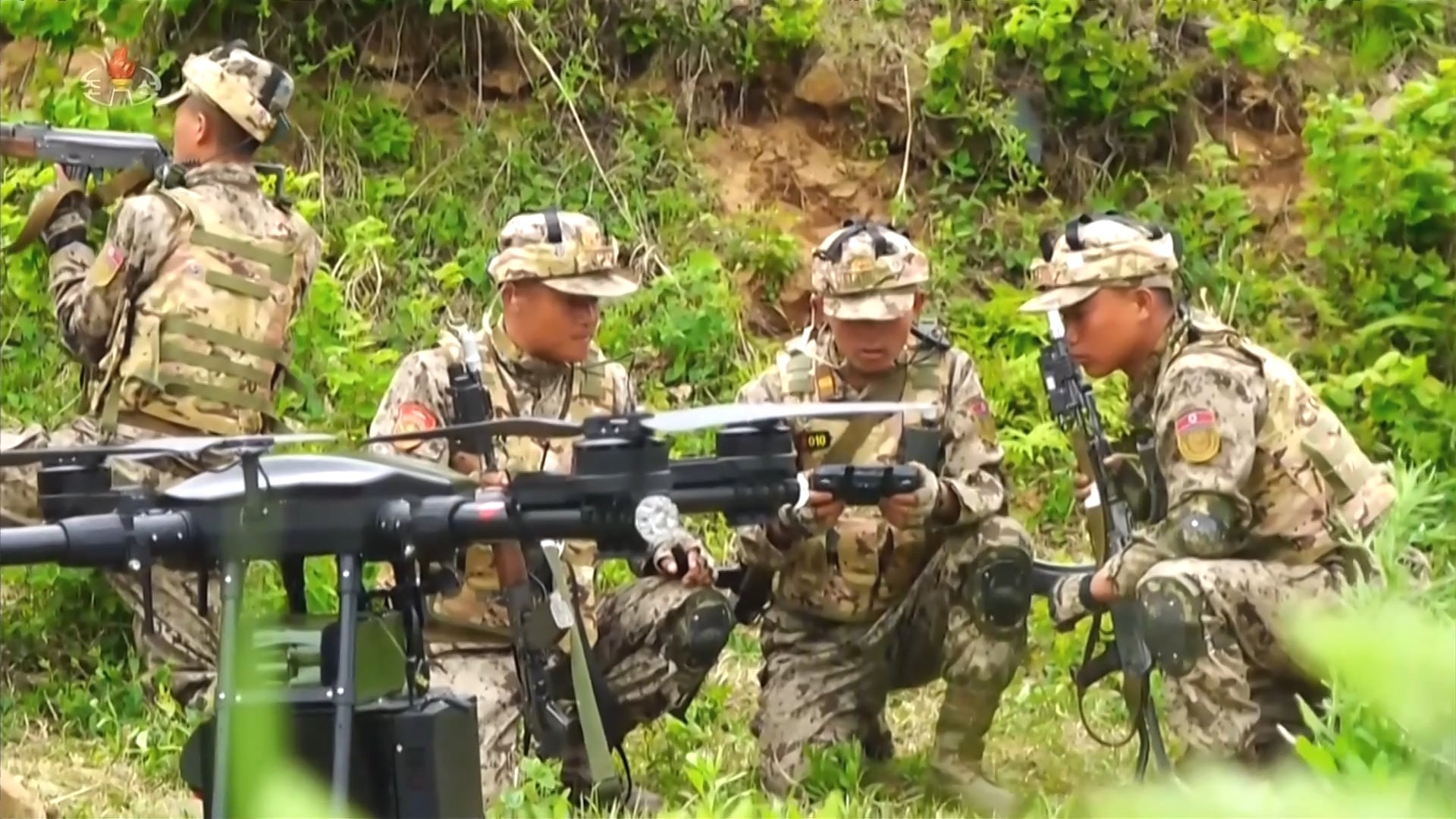
A Chinese drone manufacturing company has been discovered to be promoting the export of drone assembly equipment to North Korea, despite the existence of United Nations Security Council sanctions. This revelation has raised concerns about potential weaknesses in China’s export control mechanisms.
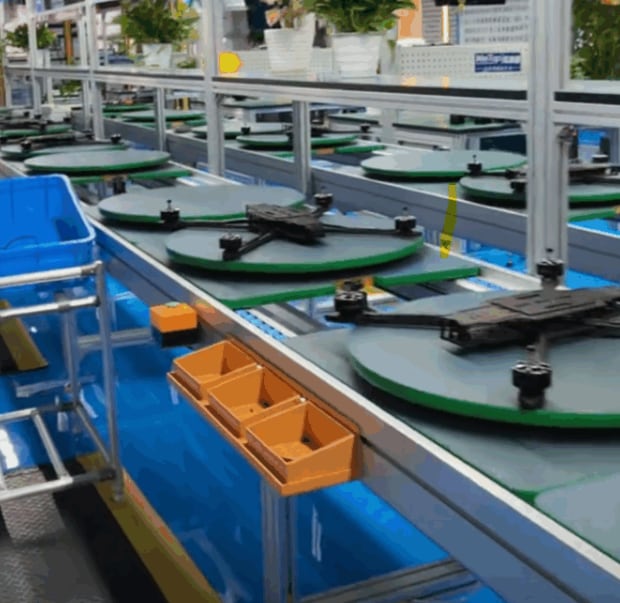
According to a report by NK News, a media outlet focused on North Korea, a video posted on the Chinese social media platform Douyin showed an employee from the Jiangsu Nengtai Automation Equipment Company explaining the production lines within their factory. The employee mentioned that the assembly equipment was undergoing final testing before being shipped to North Korea. The video emphasized the capabilities of the assembly equipment without specifying whether it could produce drone components.
Experts warn that if this equipment reaches North Korea, it could significantly enhance the country's drone manufacturing capabilities. Shin Seunggi, a researcher at the Korea Institute for Defense Analyses, told NK News, “If an assembly line capable of producing drones at the advertised scale enters North Korea, it could fundamentally change the country’s manufacturing capabilities. There is a high possibility that North Korea will reverse-engineer and replicate the assembly line, potentially securing multiple additional production lines.”
The United Nations imposed a ban on member states exporting all types of machinery to North Korea under Security Council Resolution 2397 in 2017. This includes most industrial assembly equipment. However, North Korea has been secretly importing affordable Chinese-made drones for both civilian and military purposes.
As of last year, China held approximately 80% of the global commercial drone market. A 2021 report by the UN Security Council’s Sanctions Monitoring Group confirmed that drones displayed during North Korea’s 2020 military parade were identified as the ‘Mavic 2 Pro Type’ from the Chinese company SZ DJI (Da-Jang) Technology.
North Korea has also increased its efforts to acquire drone technology from allied countries such as Russia and Iran. This is due to the recognition of drones as a crucial element of modern warfare, especially after its involvement in the Ukraine conflict. In August, Andriy Yermak, then-Ukrainian Presidential chief of staff, stated, “We understand that Russia has transferred Iran’s Shahed-136-type kamikaze drone technology to Pyongyang and established production lines to exchange missile development capabilities.” Reports from last year also included footage of kamikaze drones destroying ground targets in North Korea, as well as North Korean soldiers being sent to Russia to learn drone operation tactics in combat.
Key Points
- Violation of Sanctions: The export of drone assembly equipment to North Korea appears to violate UN Security Council resolutions, which prohibit the transfer of industrial machinery to the country.
- Technological Advancement: If North Korea gains access to advanced assembly equipment, it could significantly boost its drone manufacturing capabilities, potentially leading to the replication of such technology.
- China’s Role: As a major player in the global drone market, China’s actions could have far-reaching implications for regional security and international non-proliferation efforts.
- Global Implications: The increasing acquisition of drone technology by North Korea, along with its alliances with Russia and Iran, highlights the growing threat of unmanned aerial systems in modern warfare.
Broader Context
North Korea’s interest in drone technology is not isolated. The country has shown a consistent effort to bolster its military capabilities through foreign acquisitions and technological advancements. This trend is further exacerbated by the ongoing conflicts in regions like Ukraine, where drones have played a pivotal role in shaping the battlefield.
In addition to the direct transfer of technology, there are concerns about how North Korea might integrate these new capabilities into its existing military infrastructure. The potential for reverse-engineering and mass production of drone technology raises significant questions about the effectiveness of current international sanctions and the need for more robust monitoring mechanisms.
The situation underscores the importance of international cooperation in addressing the proliferation of advanced military technologies. It also highlights the challenges faced by organizations like the United Nations in enforcing sanctions and preventing the illicit transfer of sensitive equipment.
Conclusion
The recent discovery of a Chinese company promoting the export of drone assembly equipment to North Korea serves as a stark reminder of the complexities involved in international arms control. While the UN and other global bodies strive to enforce sanctions, the reality is that loopholes and enforcement gaps continue to exist. The implications of this incident extend beyond North Korea, affecting global security dynamics and the future of unmanned aerial systems in warfare.


Comments
Post a Comment