Dhaka Struggles with Unhealthy Air Quality
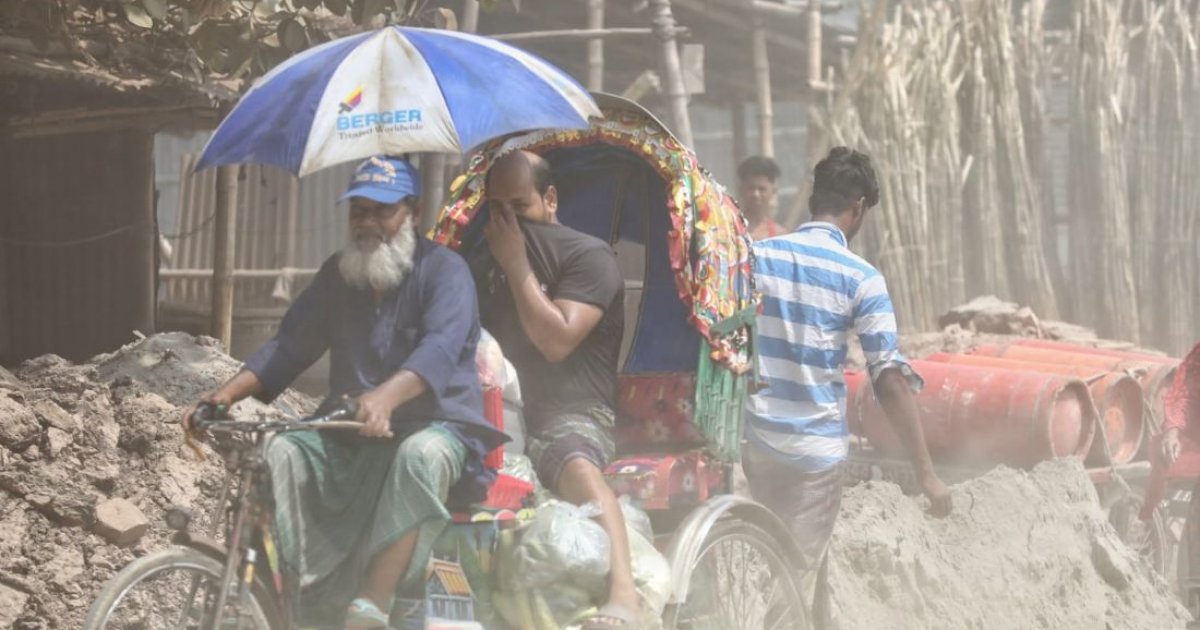
Dhaka Faces Severe Air Pollution Crisis
On December 3, 2025, Dhaka, the densely populated capital of Bangladesh, ranked second on the list of cities with the worst air quality. The city recorded an Air Quality Index (AQI) score of 235 at 9:50 am, indicating a 'very unhealthy' level of air pollution. This alarming situation has persisted for several days, raising concerns among residents and health officials.
The AQI is a standardized index used to communicate the quality of air in a specific location. It provides information about how clean or polluted the air is and what potential health effects might be associated with it. The index considers five key pollutants: particulate matter (PM10 and PM2.5), nitrogen dioxide (NO2), carbon monoxide (CO), sulfur dioxide (SO2), and ozone.
According to the AQI scale:
- 50–100: Moderate – sensitive individuals should limit prolonged outdoor exertion.
- 101–150: Unhealthy for sensitive groups.
- 150–200: Unhealthy.
- 201–300: Very unhealthy.
- 301+: Hazardous – posing serious health risks to all residents.
Dhaka's current AQI score places it in the 'very unhealthy' category, which means that even healthy individuals may experience mild symptoms, while those with pre-existing conditions are at higher risk.
Global Air Quality Rankings
In the global ranking, Delhi, India, topped the list with an AQI of 283, followed by Dhaka with 235. Lahore, Pakistan, came in third with 230, and Kolkata, India, ranked fourth with 203. These figures highlight the growing concern over air pollution in South Asian cities, where rapid urbanization and industrial activity contribute significantly to environmental degradation.
Longstanding Air Pollution Challenges
Dhaka has long struggled with air pollution, particularly during the winter months when weather conditions trap pollutants close to the ground. During the monsoon season, the situation typically improves due to increased rainfall, which helps wash away airborne particles. However, the city's reliance on fossil fuels, construction activities, and vehicle emissions continue to exacerbate the problem.
The World Health Organization (WHO) estimates that air pollution is responsible for approximately seven million premature deaths worldwide each year. The primary causes include stroke, heart disease, chronic obstructive pulmonary disease, lung cancer, and acute respiratory infections. These statistics underscore the urgent need for effective policies and interventions to reduce pollution levels and protect public health.
Health Impacts and Public Awareness
The deteriorating air quality in Dhaka has raised alarms among health professionals. Residents, especially children, the elderly, and those with respiratory conditions, are advised to limit outdoor exposure during peak pollution hours. Masks and air purifiers have become more common, but these measures are only temporary solutions.
Public awareness campaigns and government initiatives are essential to address the root causes of air pollution. Strategies such as promoting public transportation, enforcing emission standards, and increasing green spaces can help mitigate the issue. However, sustained efforts and international collaboration are necessary to achieve meaningful improvements.
Conclusion
Dhaka's current air quality crisis reflects a broader challenge faced by many urban centers in South Asia. While immediate actions can provide some relief, long-term solutions require comprehensive planning, policy reforms, and community engagement. As the city continues to grow, ensuring clean air for its residents must remain a top priority.


Comments
Post a Comment