Do Sweet Fruits Elevate Liver Enzymes?
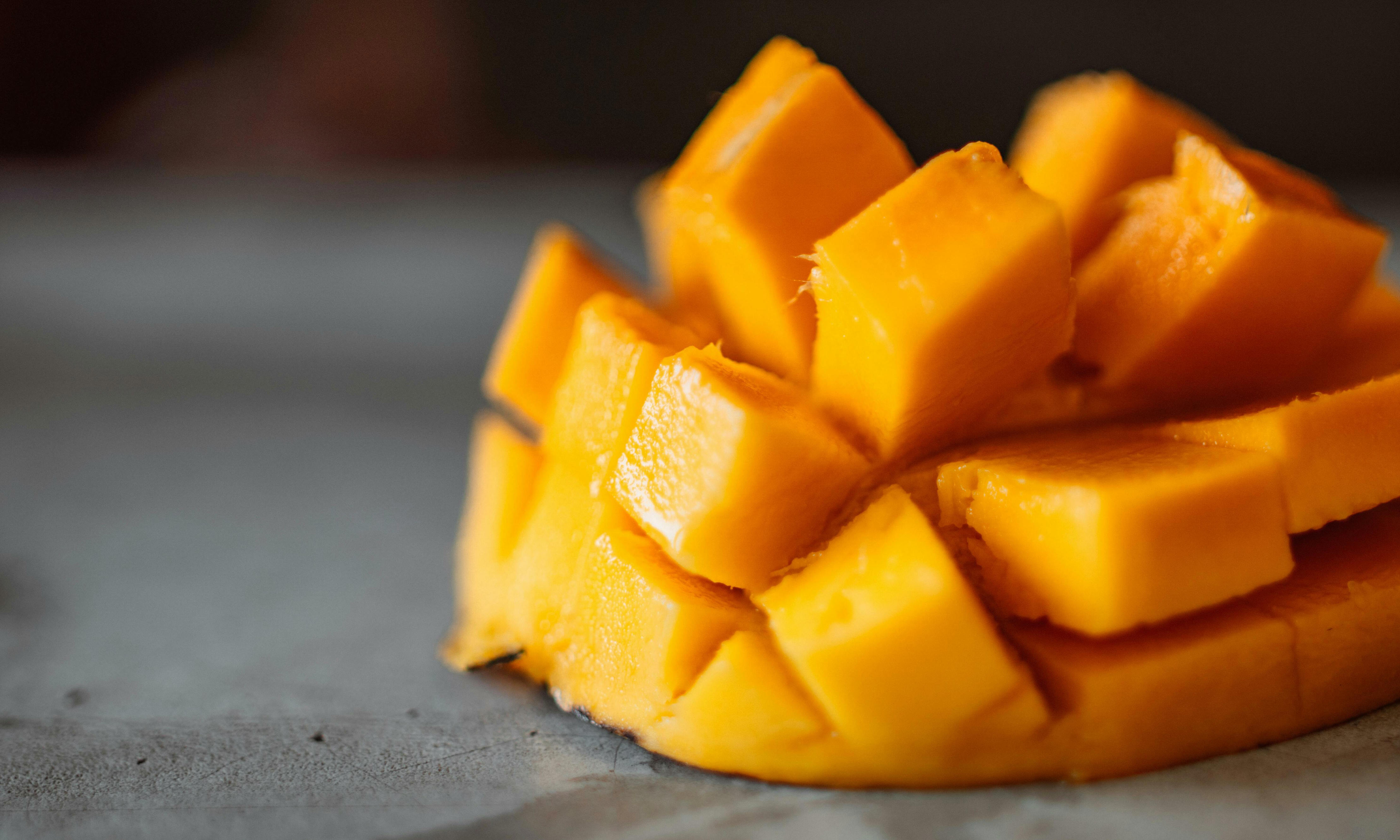
Eating sweet fruits such as mango, jackfruit, longan and durian can have an impact on liver health, especially when consumed in large quantities. These fruits are naturally high in fructose, a type of sugar that the liver processes. When the body is exposed to excessive amounts of fructose over time, it places additional stress on the liver, which must work harder to metabolize this sugar into energy or store it as fat.
This process can lead to the accumulation of fat in liver cells, increasing the risk of non-alcoholic fatty liver disease (NAFLD). In turn, this condition can cause elevated liver enzymes, which are often detected during blood tests. Individuals who are already at risk—such as those who are overweight, have high blood lipids, or suffer from diabetes—are particularly vulnerable to these effects.
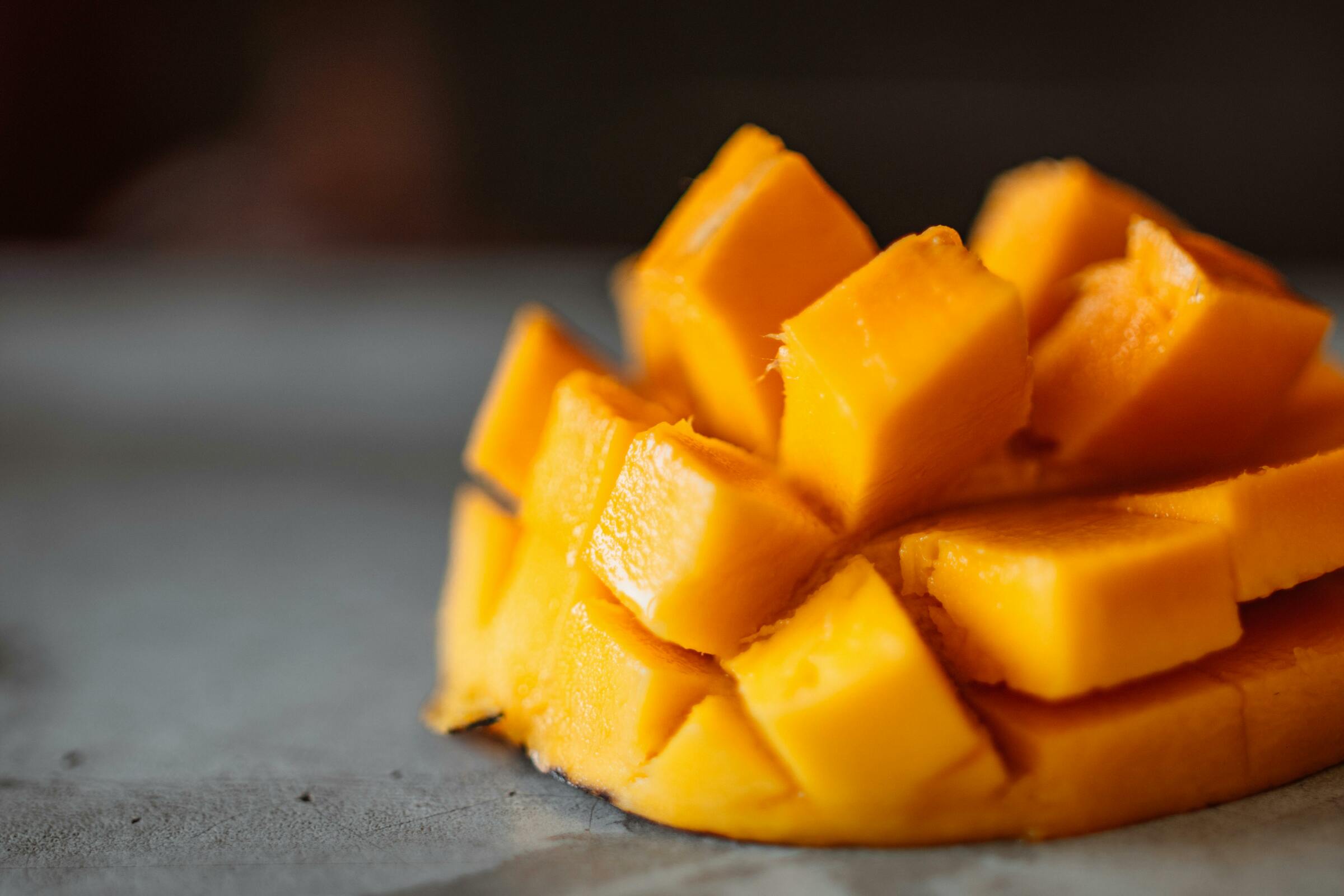
Sliced mango cubes on gray surface. Illustration photo by Pexels
A typical serving of sweet fruit, around 200–300 grams, provides approximately 150–250 kcal, equivalent to about three to five teaspoons of sugar. Consuming two to three servings of these fruits daily, especially at night or after meals that are high in carbohydrates and fats, can increase the likelihood of excess fat being stored in the liver. Over time, this pattern may contribute to higher liver enzyme levels, increased blood sugar, and a greater risk of developing NAFLD.
While it may not be necessary to completely eliminate fruit from your diet, controlling portion sizes and timing can make a significant difference. Here are some practical suggestions:
- Limit sweet fruits to one serving per day, and consume them in the morning or early afternoon when the body is more efficient at using energy.
- Incorporate lower-sugar fruits such as apples, pomelo, dragon fruit, melon, and guava to reduce the overall fructose intake.
- Avoid eating sweet fruits right after a heavy dinner or combining them with sugary products like sweetened condensed milk or flavored yogurt, which add extra sugar.
If you already have elevated liver enzymes, fatty liver, diabetes, or obesity, reducing your intake of very sweet fruits can help ease the burden on your liver. Consider making fruit salads with chia seeds, nuts, or unsweetened yogurt to slow down sugar absorption and support better metabolic responses.
In addition to dietary changes, broader lifestyle adjustments are essential for maintaining liver health. A balanced diet rich in vegetables, limited consumption of added sugars and saturated fats, and regular physical activity can all contribute to improved liver function. It is also advisable to schedule regular check-ups with a gastroenterologist or nutritionist to monitor your liver health and receive personalized dietary recommendations.
Some natural extracts, such as Silybum marianum (milk thistle) and Wasabia (wasabi), may support liver detoxification, help lower liver enzyme levels, and aid in recovery from conditions like hepatitis and fatty liver. However, it's important to consult with a healthcare professional before starting any supplement regimen.
By making informed choices about fruit consumption and adopting a holistic approach to health, individuals can take proactive steps to protect their liver and overall well-being.


Comments
Post a Comment