Editorial: US Leans on South Korea for Nuclear Plant Funding Amid Domestic Cutbacks
The Shift in Energy Priorities
U.S. Secretary of Commerce Howard Lutnick highlighted the investment destinations for South Korea's pledge under the Korea-U.S. tariff agreement, stating, "We will start with nuclear power." This indicates that a portion of the investments from South Korea and Japan will be directed towards the construction of nuclear power plants in the United States. President Trump had previously issued an executive order in May, instructing the Department of Energy to initiate the construction of 10 large reactors by 2030.
The Rise of AI and Its Impact on Energy Demand
The world has entered the AI era, where artificial intelligence is closely tied to electricity. The rapid growth of AI, the increasing demand for data centers—often referred to as "electricity-eating behemoths"—and the rise of electric vehicles have significantly increased global electricity demand. Nuclear power stands out as a reliable source of high-quality electricity at low cost, available around the clock. NVIDIA CEO Jensen Huang emphasized this point, stating, "The key to AI growth is power, and the most important energy source for stably supplying it is nuclear power."
South Korea's Contradictory Approach
Despite the clear need for stable energy sources, South Korea appears to be moving in an unexpected direction. Environmental groups have gained significant influence over the Ministry of Climate and Energy, transforming the country into a testing ground for their initiatives. While the government aims to become one of the top three AI powers, it remains hesitant toward nuclear power, which is essential for securing the electricity required for AI development. Climate Minister Kim Sung-whan has announced that the two new reactors included in the 11th Basic Plan for Electricity Supply and Demand, finalized last February, will be subject to public deliberation. This includes the possibility of reconsidering or even canceling them.
Minister Kim has been a strong opponent of nuclear power. He focuses on expanding costly LNG power generation or renewable energy sources such as solar and wind. These energy sources are limited by high costs and unstable production, posing threats to energy security and likely leading to higher electricity rates. Notably, South Korea possesses advanced nuclear power technology.
Expert Opinions on Energy Needs
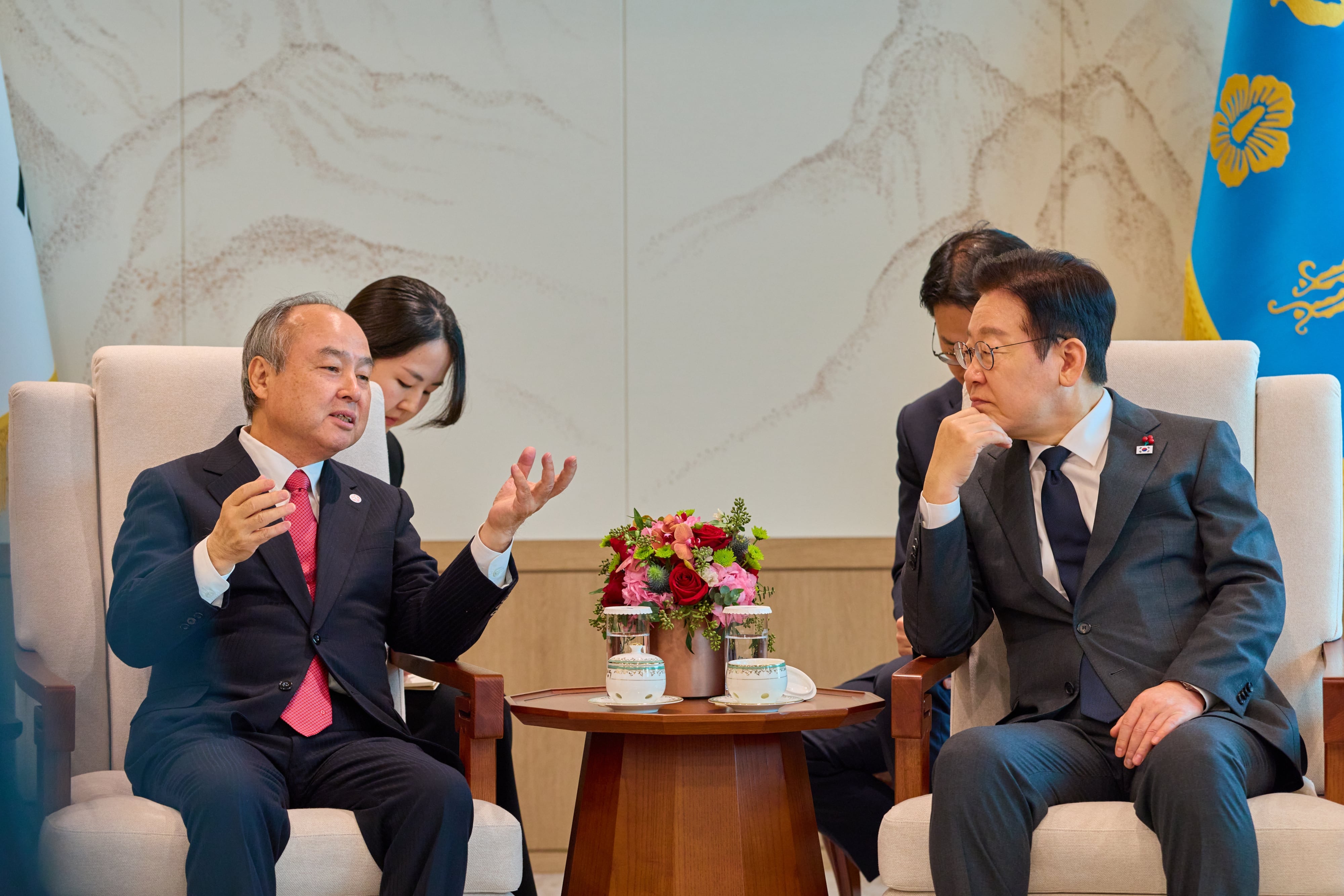
SoftBank Group CEO Masayoshi Son, during a meeting with President Lee Jae-myung, discussed the implications of the AI era. He stated, "South Korea has a critical weakness: insufficient energy. Even looking at current data center construction plans in South Korea, (energy-related preparations) are insufficient." His advice was clear: South Korea must first secure enough energy to position itself as a leading AI powerhouse.
The Importance of Power Supply in Global Competitiveness
This era is defined by a nation’s power supply capacity determining its competitiveness. However, the government is applying outdated and illogical ideological standards to nuclear power—a stable, carbon-free energy source capable of meeting the electricity demands of the AI era. While the U.S. is using South Korean funds to build their own nuclear plants, it raises questions about whether it is acceptable for the country providing the funds to hinder its own nuclear power projects.


Comments
Post a Comment