Ethiopia Pioneers Peaceful Space Collaboration in Africa
Ethiopia's Vision for a Unified African Space Program
Addis Ababa, December 11, 2025 — Ethiopia is making significant strides in the realm of space development, emphasizing the importance of peaceful and cooperative continental space initiatives. Yeshurun Alemayehu, Deputy Director-General of the Space Science and Geospatial Institute, highlighted this commitment during the Addis Space Forum 2025, an inaugural African space diplomacy forum held in Addis Ababa.
During his address, Yeshurun underscored Ethiopia's readiness to enhance partnerships, foster innovation, and lead in space governance. He stated, "Together, we can ensure that space uplifts humanity rather than divides it." The forum aims to pave the way for a future where Africa's role in the global space community is defined not just by aspirations but by tangible capabilities and contributions.
"Africa is no longer a passive observer; we are the architects of our orbital infrastructure and contributors to scientific innovation," he said, highlighting Ethiopia's evolving commitment to space science, which has led to significant milestones over the decades. Yeshurun pointed out that the global shift in space exploration requires collaborative diplomacy grounded in scientific advancement, calling for a unified African voice in this crucial sector.
He emphasized the potential of space technology to foster development across various sectors, including smart city initiatives and food security. According to Yeshurun, space serves as a critical lever in achieving Africa's Agenda 2063 and various Sustainable Development Goals. In this regard, the Addis Space Forum will build trust and coordinate regional efforts, focusing on emerging technologies while ensuring Africa's sovereign interests are maintained.
Strategic Importance of Space Diplomacy
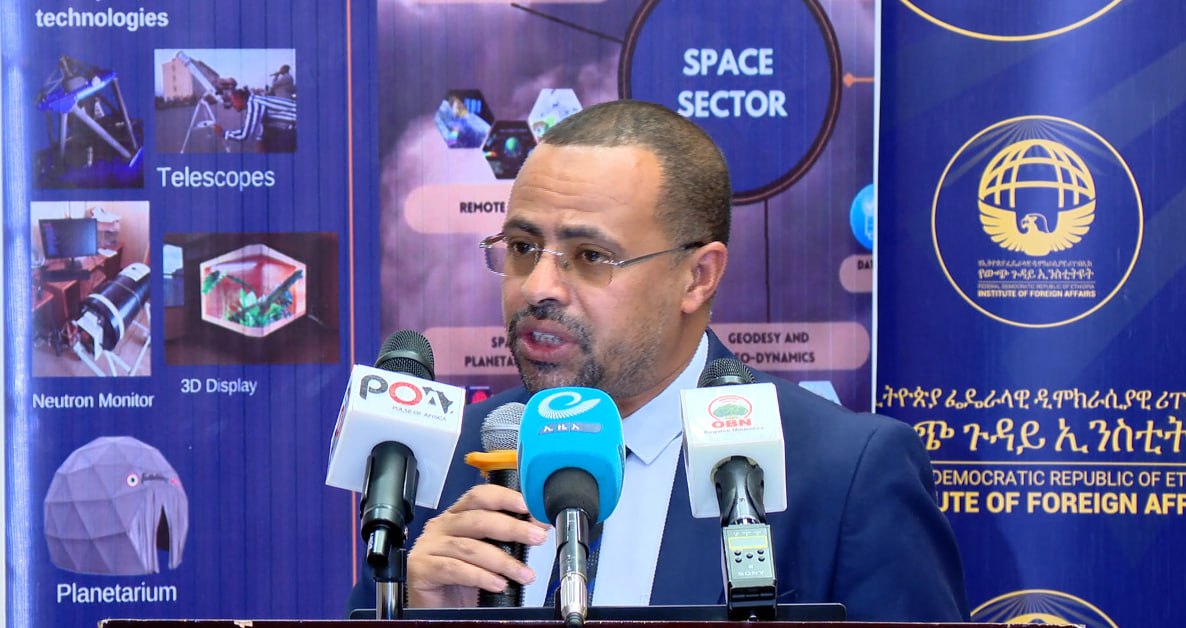
Andre Nonguierma, Chief of the Geospatial Information System Section at UNECA, emphasized the strategic importance of space diplomacy for Africa. He noted that space is rapidly emerging as a strategic asset for Africa, with significant potential to contribute to socio-economic development, resilience against transnational threats, and national security.
"Over the past decade, regional space capabilities have improved dramatically," he said, reiterating the need for cooperation and coordination in Africa's space development. While commendable steps have been taken, including the establishment of the African Space Agency, Nonguierma stated that more work is needed for further harmonization of activities across the continent.
He articulated two main aspirations: first, the dream of a coordinated continental space program, and second, the ambitious idea of building an African Space Station. Referencing the philosophical insights of Socrates, the Chief underscored the importance of viewing Earth from space to better manage its resources. He affirmed that UNECA is committed to fostering a globally oriented African space program, encouraging dialogue among nations to develop shared policies for multilateral cooperation.
Regional Cooperation and Diplomatic Infrastructure
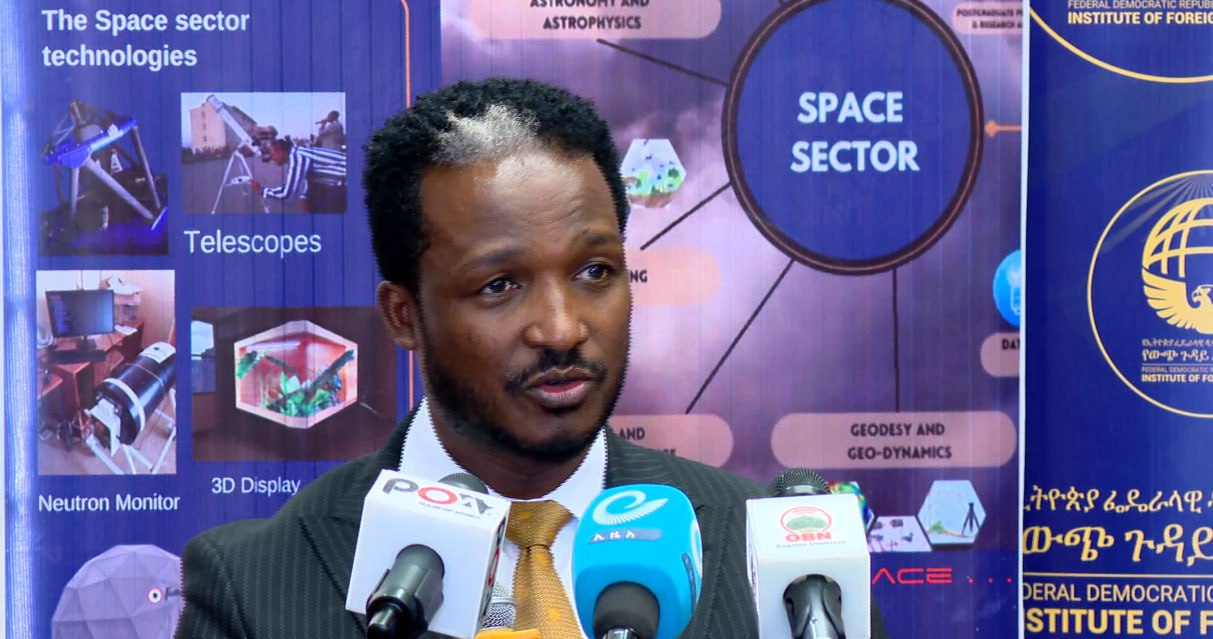
Abdi Zenebe, Deputy Director-General of the Institute of Foreign Affairs, highlighted that Africa’s representation in global space diplomacy remains fragmented. Having established its own Space Science and Geospatial Institute, Ethiopia is committed to facilitating regional cooperation in space, he added. Abdi stated that the nation will leverage its diplomatic infrastructure to establish Addis Ababa as the continent's hub for space diplomacy, serving as a permanent platform for dialogue and collaboration.
Future Prospects and Challenges
The Addis Space Forum 2025 represents a pivotal moment for African space diplomacy, bringing together key stakeholders to discuss the continent's role in the global space community. The discussions focused on the need for a unified approach to space development, emphasizing the importance of collaboration, innovation, and sovereignty.
As Africa continues to make strides in space exploration, the forum highlights the potential for the continent to become a major player in the global space arena. The establishment of the African Space Agency marks a significant step forward, but challenges remain in terms of coordination, resource allocation, and technological advancement.
The vision of an African Space Station and a coordinated continental space program reflects the ambitious goals set by African leaders. These initiatives aim to harness the power of space technology for the benefit of the entire continent, addressing issues such as food security, urban development, and environmental sustainability.

Conclusion
The Addis Space Forum 2025 has set the stage for a new era of African space diplomacy. With Ethiopia playing a leading role, the continent is poised to strengthen its position in the global space community. By fostering regional cooperation, investing in innovation, and prioritizing sustainable development, Africa can unlock the full potential of space technology for the benefit of all its citizens.


Comments
Post a Comment