Europe Won't Ban Gas Power – What's Next for ICE Vehicles?

The EU’s Shift on Combustion Engines: A Compromise for the Future
As the European Union (EU) moves toward a more flexible approach to renewable fuels, both enthusiasts and industries find themselves with a clearer—though still complex—path forward. For a moment, it seemed like Europe was ready to place internal combustion engines in a glass display case, label them “Bad, Do Not Touch,” and call it climate policy. However, after significant pressure from automakers, unions, and even a pointed letter from German Chancellor Friedrich Merz, the EU has reconsidered its stance.
Instead of an outright 2035 ban on combustion engines, Brussels is now signaling a shift:
- New internal combustion engine (ICE) vehicles will likely still be allowed after 2035
- But only if they run on low-emission renewable fuels such as advanced biofuels and synthetic e-fuels.
On paper, this may sound like a minor technical adjustment, but in practice, it represents a major development. A complete ban would have forced all mainstream manufacturers into an all-electric vehicle (EV) corner, regardless of readiness. In a market where charging infrastructure is still patchy and price parity hasn’t fully been achieved, such a move could have had severe consequences. Industry and government projections have long warned that a rapid, one-lane transition could cost hundreds of thousands of jobs in engine development, manufacturing, and the vast supply chain tied to combustion technology.
Additionally, EVs currently make up under 20 percent of new car sales in the EU, while hybrids and plug-in hybrids still dominate the “transition tech” category. This highlights why regulators are now wary of hard cutoffs.
A Personal Perspective on Combustion Engines
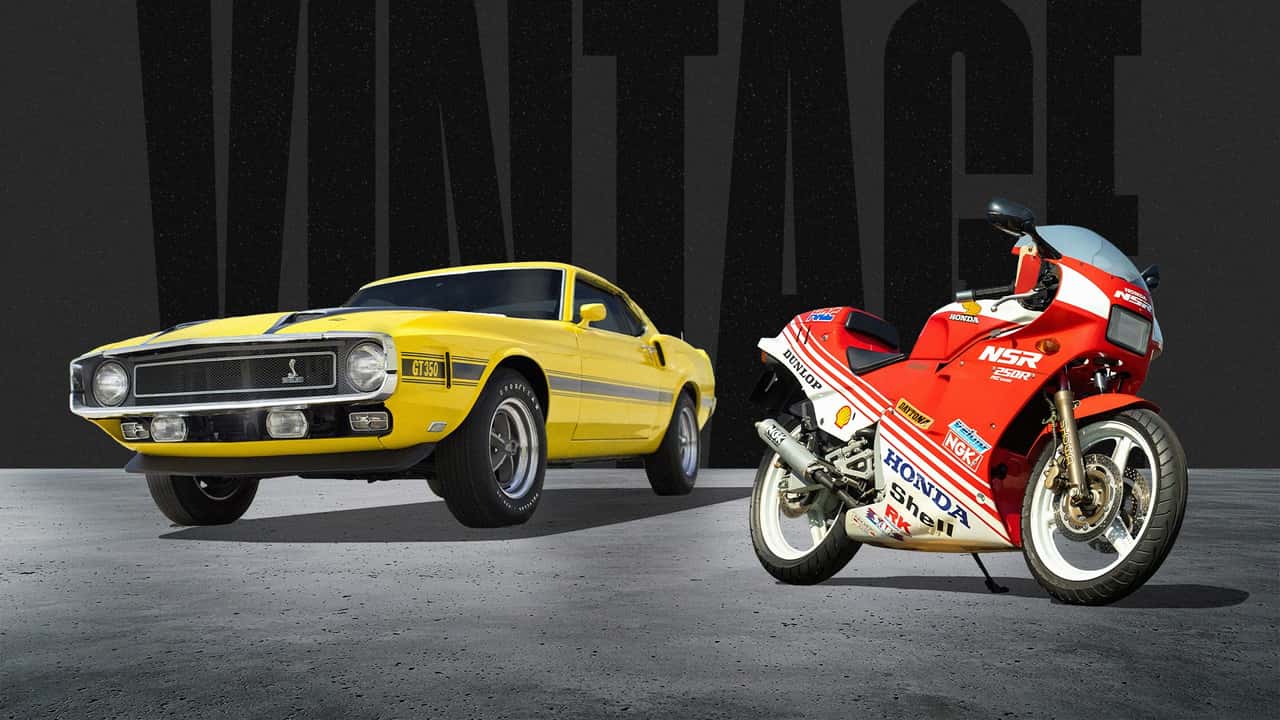
Anyone who knows me understands that I’m not neutral in this debate. I love gas-powered machines for the way they feel, sound, and behave, and because they carry a century of design, culture, and memory within their castings. I’m not arguing to keep coal plants alive or roll back basic climate science; rather, I believe that sending every vintage car, classic motorcycle, and internal-combustion passion project into slow-motion extinction via policy always felt lazy. There are smarter ways to reduce emissions than pretending the enthusiast and heritage world doesn’t exist.
The EU’s new stance, if it holds, is essentially an admission of that.
The Role of Low-Carbon Fuels in the Future
The idea is that combustion engines can stick around, but they must clean up by running on low-carbon fuels. For instance, HVO100 (hydrotreated vegetable oil made from waste oils and animal fats) is already being used by BMW in some diesel applications, with claimed lifecycle CO₂ reductions of up to 90 percent compared to regular diesel. Synthetic gasoline is another piece of the puzzle: Porsche’s eFuel plant in Chile has been producing small volumes of synthetic fuel using wind power, water, and captured CO₂, framed as “virtually carbon-neutral.”
However, these fuels are expensive, energy-intensive to produce, and far from the scale needed to replace fossil fuels for daily mass-market driving. Even the EU commissioner supporting this shift has acknowledged that building out the infrastructure for these fuels in less than a decade is a stretch.

But where they do make sense is exactly in the space I care about: legacy vehicles, performance machines, motorsport, and historic fleets that you’re never going to rebuild as EVs without stripping away what makes them special. A smaller pool of combustion engines running on much cleaner fuels is a far more interesting climate tool than just hoping everyone gives up and buys a crossover with a plug.
Climate Math and the EV Advantage
That said, the climate math doesn’t suddenly flip just because I like the way an inline-four sounds at redline. On a lifecycle basis (meaning manufacturing, operation, and end of life), battery electric vehicles sold in Europe today produce about 73% lower greenhouse gas emissions than comparable gasoline cars, thanks largely to a cleaner grid and improving efficiency.
Multiple independent life-cycle assessments show the same pattern: EVs generally have higher emissions upfront because battery production is resource and energy-intensive, but they more than make that back over time, especially in regions where electricity keeps decarbonizing. Batteries can account for roughly half or more of an EV’s production-phase emissions, depending on chemistry and supply chain, but by mid-century, those production emissions are expected to narrow as manufacturing itself gets cleaner.
The Emotional and Environmental Trade-offs
The question of whether it’s greener to keep your old car is more nuanced. Some analyses have tried to answer this directly, and the general takeaway is this: if you’re replacing a relatively efficient, lightly driven vehicle, the benefit of swapping to an EV is smaller and takes longer to materialize. However, if you’re driving a typical or thirsty ICE car regularly, a new EV tends to "break even" on its higher manufacturing footprint within a couple of years, then pulls ahead quickly as you rack up miles.
From a pure emissions standpoint, "drive it into the ground" is not always the smartest answer, although I fully understand the emotional and financial logic of keeping a well-maintained machine alive.

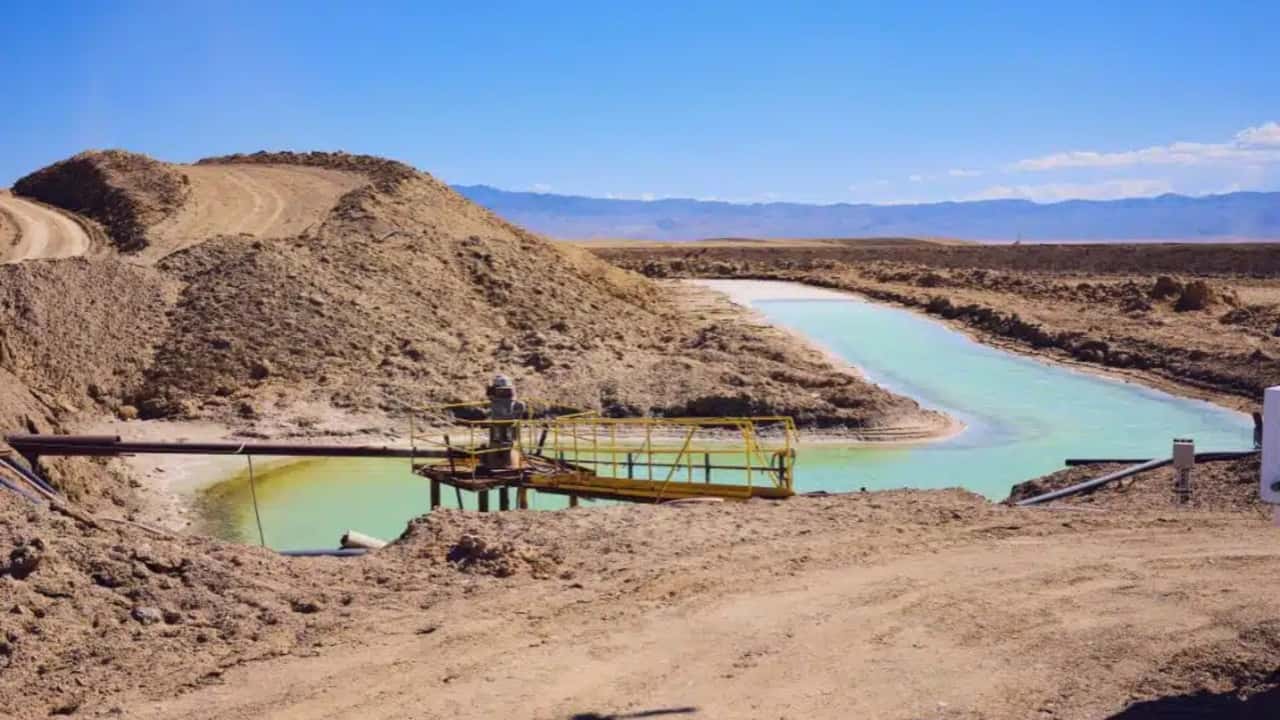
On the EV side, the uncomfortable part of the conversation is mining and waste. Battery production demands lithium, nickel, cobalt, graphite, and other materials that come with real environmental and human costs if extracted irresponsibly. EVs shift emissions and damage away from tailpipes and into mines, refineries, and manufacturing plants; that’s not a reason to dismiss them, but it is a reason to take the full supply chain seriously.
A European Parliament study and other recent research underline that while EVs win on lifetime emissions, their production stage is significantly dirtier than that of combustion cars, largely because of the battery.

Recycling and the Future of EVs
The good news is that battery recycling and reuse actually move the needle. A recent study from Stanford found that recycling lithium-ion batteries can cut greenhouse gas emissions 58%–81% compared to making new battery materials, while also using far less water and energy. The International Energy Agency estimates that, with robust collection and recycling, a significant share of critical minerals could eventually be supplied from end-of-life batteries rather than new mining.
We’re not there yet; collection rates, recycling infrastructure, and regulation still lag behind EV sales. But the idea that EVs are just a one-way ticket to toxic battery mountains is lazy, and increasingly out of date. The system is messy and incomplete, but it’s not static.
Beyond EVs: The Role of Hydrogen
Beyond batteries and biofuels, there's hydrogen, which many frame as the 'better' alternative. The reality is more complicated. On paper, hydrogen fuel cell vehicles running on green hydrogen (produced from renewable electricity and water) can have lifecycle emissions comparable to or slightly better than battery EVs. The ICCT estimates that hydrogen fuel cell cars using today’s fossil-based hydrogen cut emissions about 26% versus gasoline, and using fully renewable hydrogen can get you to around 79% lower emissions than gasoline, right in BEV territory.
The catch is everything else: producing truly green hydrogen is still expensive, storage and transport are technically fussy, infrastructure is almost nonexistent outside a few pilot markets, and most of the hydrogen produced today comes from fossil fuels and is anything but clean. Hydrogen absolutely has a role—likely in heavy transport, industry, and maybe some niche vehicle applications—but calling it a slam-dunk replacement for batteries or gasoline right now is wishful thinking.
The Road Ahead
So where does that leave us? For me, the EU’s decision to ease off an absolute combustion ban is less about "saving" gas engines and more about accepting reality: the transition is going to be messy, multi-track, and driven by technology that doesn’t exist at full scale yet. Giving space for low-carbon fuels, advanced combustion, EVs, hydrogen, and whatever else we invent in the next decade is just good risk management. It keeps skilled jobs and industrial know-how alive, it gives enthusiasts and legacy fleets a path that isn’t straight to the scrapyard, and it buys time to decarbonize the grid and build better systems around EVs instead of pretending they’re already perfect.
Personally, I hope this also cools down the ban-or-bust rhetoric for a while. I’d rather see regulators set tough but realistic emissions targets and let multiple technologies compete to meet them, instead of writing off whole categories of machines that mean a lot to people and, with the right fuels, don’t have to be climate villains. I’m still going to love gas bikes and vintage cars. I’m still going to argue that some engines deserve to live out their days being driven, not just dusted. But I’m also not blind to the numbers, and the numbers say we need EVs, cleaner fuels, and smarter policy all at once if we’re serious about climate.
In that sense, Europe not slamming the door on combustion outright feels less like a capitulation and more like an overdue course correction. The future still leans electric. It has to. But now there’s room in that future for some noise, some history, and, if we do this right, some genuinely cleaner fuel burning in genuinely meaningful machines.
This New Electric Scooter Makes Every Other Look Boring As Hell
This All-Electric Luxury Side-By-Side Costs $50,000, and Has a Pretty Decent Range


Comments
Post a Comment