Experts reveal lung protection tips in fine-dust era
Maintaining healthy lungs during periods of high fine-dust pollution requires a combination of lifestyle changes, dietary adjustments, and simple breathing techniques. Experts emphasize that while external measures like wearing masks and keeping living spaces clean are essential, internal strategies such as nutrition can also play a vital role in supporting lung function.
Dr. Ngo Quang Hai, a former deputy director at the Center for High Technology at the Central Acupuncture Hospital in Hanoi, highlights that air pollution directly impacts the lungs, increasing the risk of infections, asthma flare-ups, and even cancer. He recommends incorporating specific foods and practices into daily routines to strengthen respiratory health.
Traditional Medicine and Lung-Boosting Foods
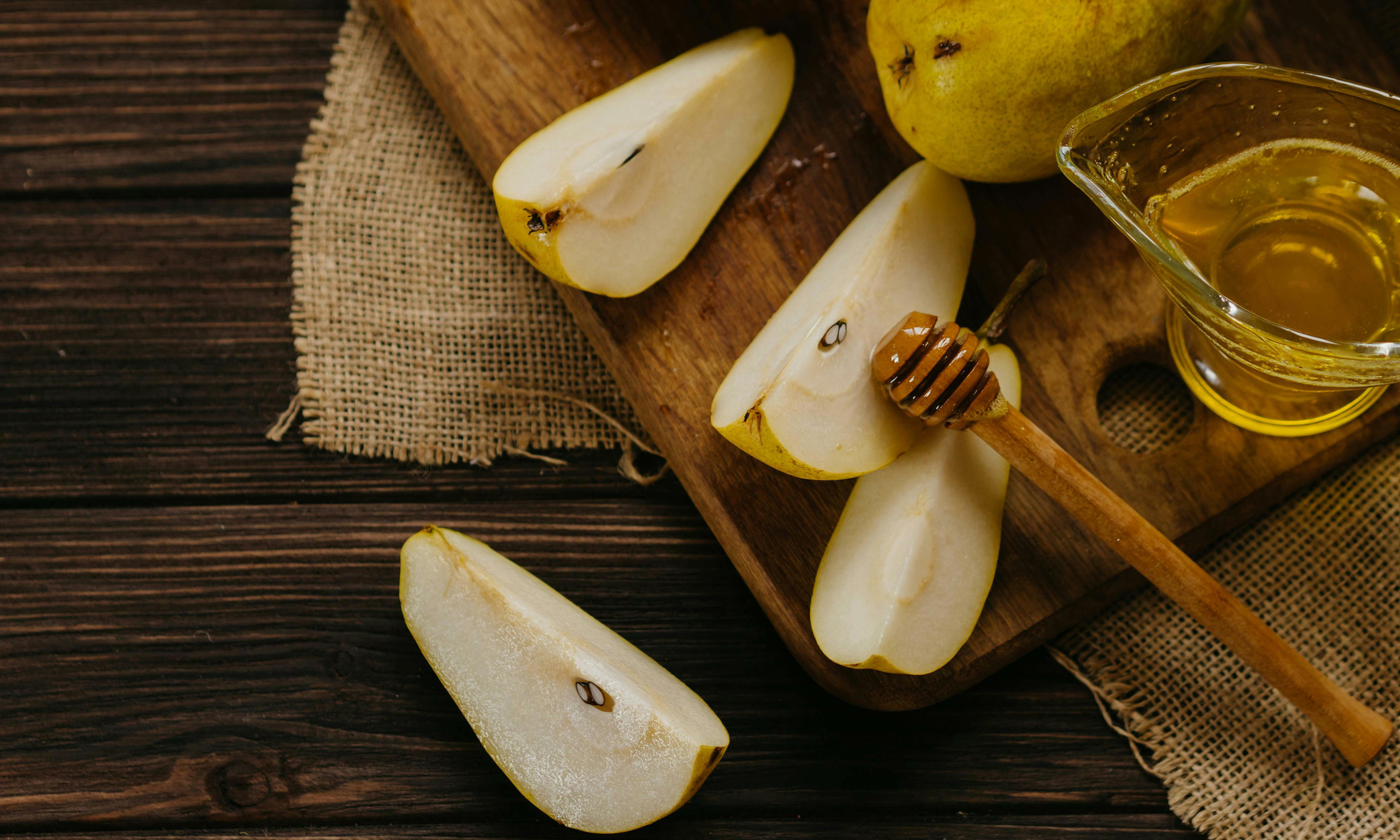
In traditional medicine, certain foods are considered particularly beneficial for the lungs. Pears, for example, are often consumed fresh or steamed with rock sugar or honey. They are known for their cooling and moistening properties, which can help soothe coughs and loosen phlegm. Kumquats are another recommended fruit, especially for children, older adults, and those with asthma. Kumquat syrup made with rock sugar is believed to clear heat, detoxify, and reduce inflammation in the respiratory system.
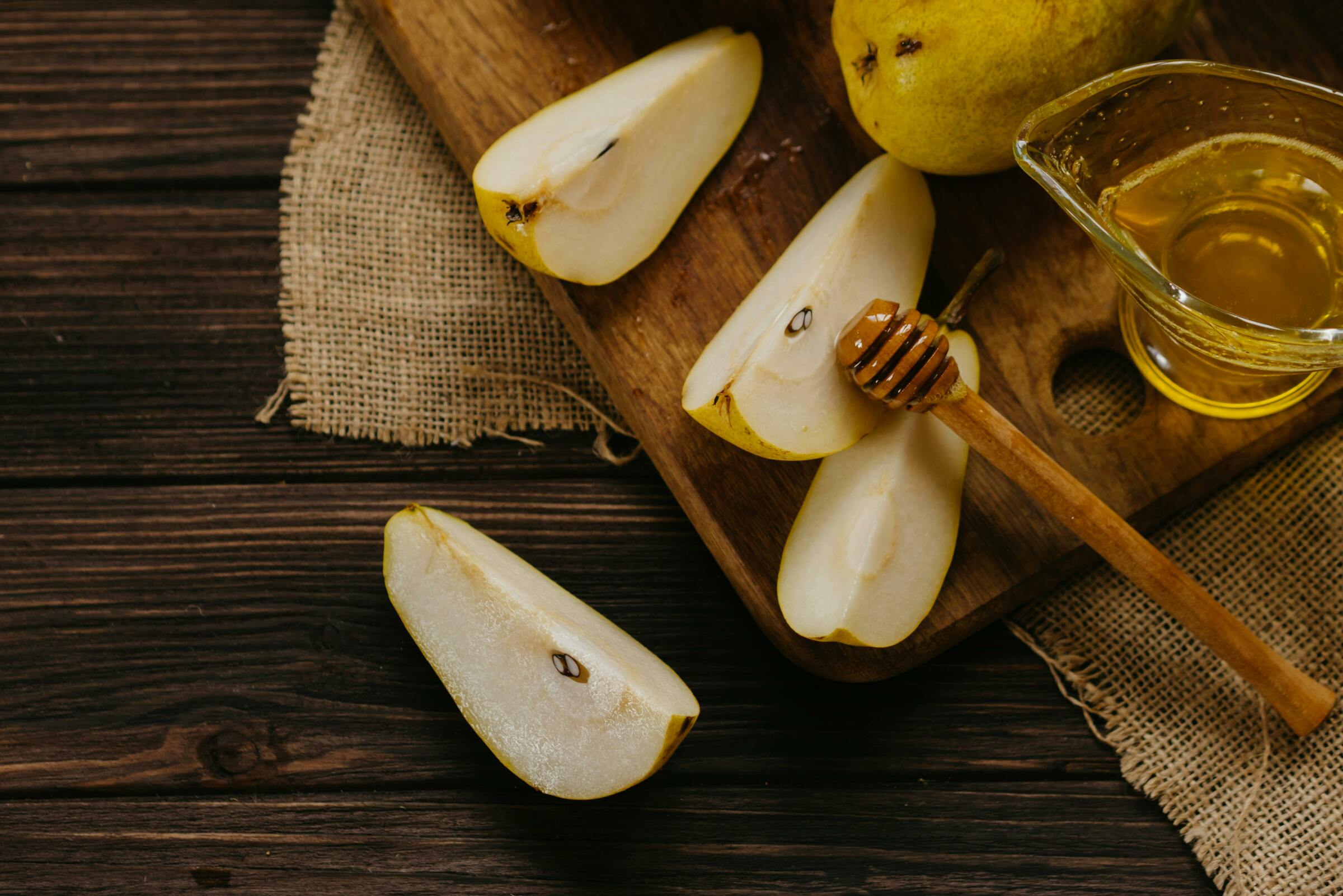
Sliced pears and honey. Illustration photo by Pexels
Root vegetables such as carrots and kohlrabi also support lung health. Carrots are rich in beta-carotene, vitamin C, and antioxidants like lycopene, which may protect lung tissue and lower cancer risk. Kohlrabi, on the other hand, is known for its cooling effects and is traditionally used to alleviate symptoms like yellow phlegm, sore throat, and sinus irritation. Wood ear mushrooms are another valuable addition to the diet, as they are valued for their detoxifying and blood-nourishing properties, helping to relieve dry throats and support overall respiratory health.
Honey is another natural remedy that experts recommend for lung health. It has antibacterial and anti-inflammatory properties that may aid in the recovery of lung tissue. When combined with herbs like lily bulb, mulberry leaf, white fungus, or dandelion, honey can enhance its effectiveness in clearing heat, detoxifying, and relieving dry coughs and allergic symptoms. Some studies suggest that honey may be more effective than certain over-the-counter cough remedies in preventing respiratory infections.
Breathing Exercises and Additional Practices
Beyond dietary changes, simple breathing exercises can also improve lung function. Diaphragmatic breathing, for instance, helps expand the lungs and increase blood oxygen levels. To perform this technique, sit comfortably, place one hand on your chest and the other on your belly, then inhale through your nose so your belly rises. Exhale slowly through your mouth.
Controlled coughing is another useful practice. Sit upright, inhale deeply, and cough lightly two to three times while leaning forward. This technique can help expel excess mucus from the lungs.
On days with heavy pollution, steam inhalation with hot water and a few drops of peppermint or eucalyptus oil can open up airways and thin mucus. At home, using an air purifier equipped with a HEPA filter can remove fine dust, pollen, smoke, and other allergens, creating a cleaner environment that supports respiratory recovery.
By combining these strategies—dietary choices, breathing exercises, and environmental adjustments—individuals can better protect their lung health during challenging air quality conditions.


Comments
Post a Comment