Foreign Tourists Halt Nighttime Activities, Demand Refund After Phu Quoc Power Outage Disrupts Vacation
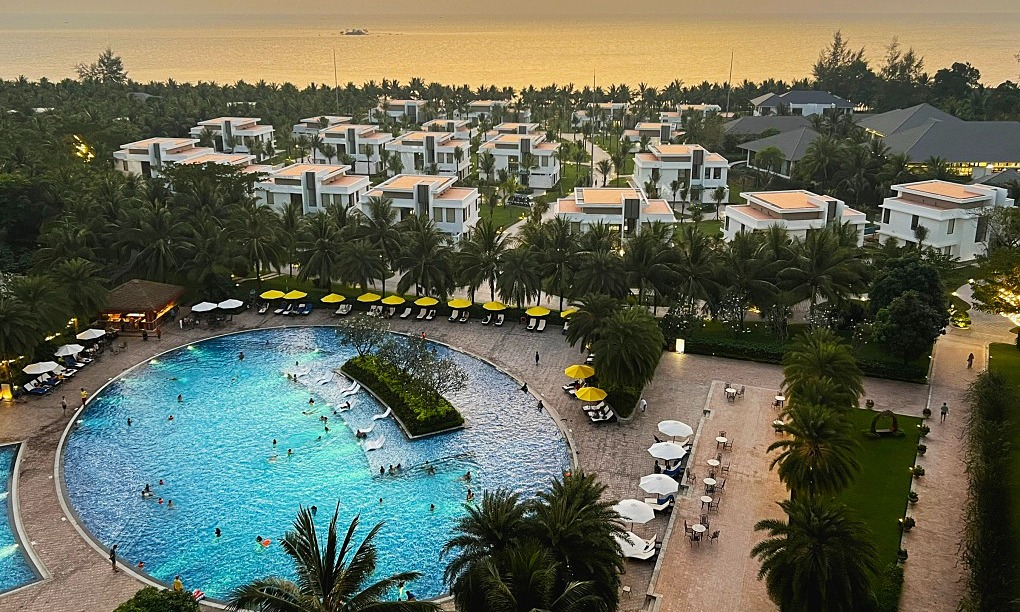
Phu Quoc Island, a popular tourist destination in Vietnam, has faced significant challenges as a major power outage has disrupted the experiences of many international visitors. The blackout, which began on November 29, has left parts of the island without electricity for weeks, causing inconvenience and frustration among travelers who had planned their trips for months.
British tourist Tina Compton and her husband arrived on the island on November 29, only to find themselves in the middle of a severe power outage. Their 15-day stay started with a climb of 100 stairs in complete darkness, as elevators and hotel lighting were not functioning. Compton's husband even slipped on the stairs while trying to go out for dinner. "The hotel provided very limited information. We didn't know when the electricity would be back on," Compton said.
The power outage also affected the water supply, further complicating the tourists' routines, hygiene, and dining plans. For many, the experience was far from what they had expected.

Tina Compton and her husband in Phu Quoc. Photo courtesy of Tina Compton
The cause of the outage was traced back to damage to the 110 kV Ha Tien – Phu Quoc submarine cable. A contractor building a coastal road unknowingly drove piles into the cable, leading to the disruption. On December 1, the Southern Power Corporation stated that repairs could take at least one month if weather conditions remain favorable.
Digital nomads, who rely heavily on stable internet and power, were particularly affected. British tourist Ewa, who rented a house on the island to work remotely, found her wifi and devices unusable. To continue working, she had to move to a friend's hotel that maintained electricity during certain hours thanks to a generator. "We came here to find creative inspiration by the beach, but instead spent days dealing with heat, darkness, and silence from technology devices," she said.
Despite the disruptions, some tourists tried to make the best of their stay. "Everything became more difficult, far from what I initially thought, but Phu Quoc is still beautiful," Ewa added.

Ellina poses for photos outside the bungalow. Photo courtesy of Ellina
Compton and Ewa’s experiences highlight the vulnerability of the tourism industry when infrastructure fails. Compton mentioned that she and her husband spent around US$2,300 on airfare and hotel accommodations, not including food. They had saved for a long time for this trip, expecting services that matched the cost. "The $40 per night hotel stay is not too high, but tourists have the right to demand the most basic amenities like electricity and water," she said.
After five days of enduring the inconvenience, Compton asked the hotel for a refund and moved to a resort in the south of the island, which was not affected by the blackout.
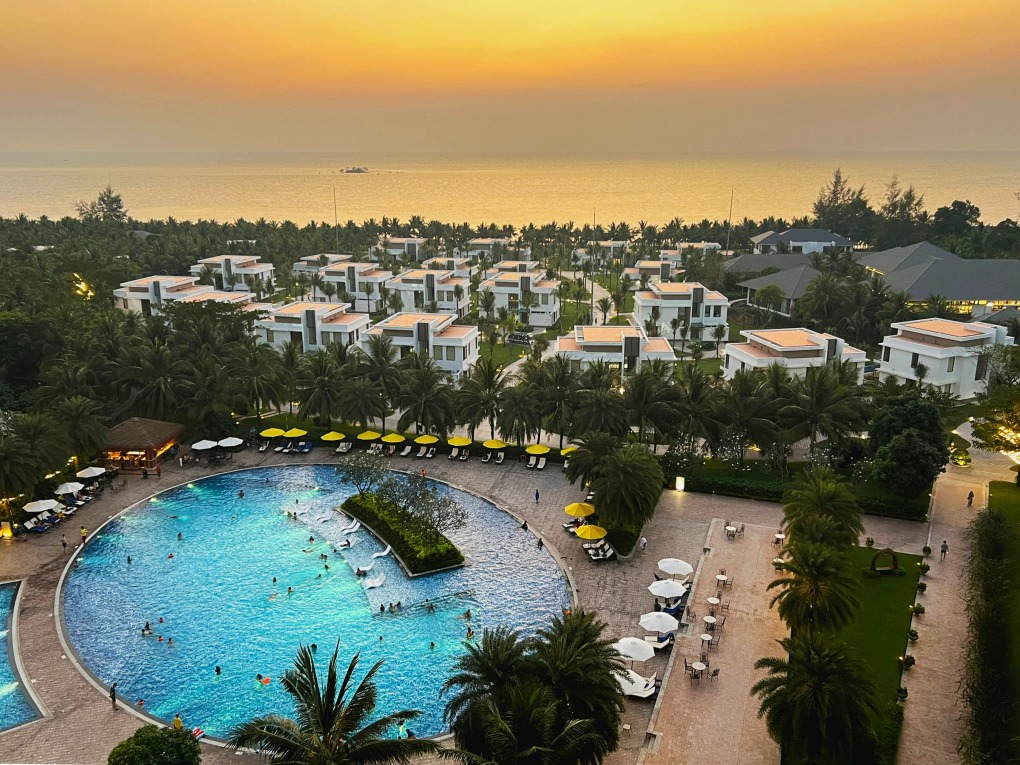
A resort in the northern part of Phu Quoc Island, Vietnam. Photo by Agoda
Ellina, a Kazakh tourist staying in a bungalow in Duong To, tried to stay calm but acknowledged the serious inconvenience. She had to change her routine, working from coffee shops during the day and avoiding nighttime outings in areas without street lighting for safety. "Phu Quoc is still very beautiful, but this situation really tests tourists' patience," she said.
Phu Quoc Island welcomed nearly 7.6 million tourists, including 1.6 million foreign arrivals, in the first 11 months of this year, marking a 35% increase year-on-year and surpassing this year's target. However, the recent power outage has raised concerns about the reliability of the island's infrastructure and its ability to meet the expectations of international visitors.


Comments
Post a Comment