German Defense Giants Clash Over Military Spending Surge
The Battle for Germany’s Military Future
Germany is at a crossroads in its military strategy as it accelerates its rearmament efforts. The nation, long known for its pacifist stance rooted in the aftermath of World War II, is now facing pressure to modernize its armed forces. This shift has sparked a fierce debate between traditional defense giants and innovative start-ups, each advocating for different approaches to securing the country’s future.
Chancellor Friedrich Merz has made it clear that Germany aims to build Europe's strongest conventional army, with billions of euros allocated for this purpose. This move comes in response to the ongoing conflict in Ukraine, which has underscored the need for a more robust defense posture. However, the question remains: where should these funds be directed?
Traditional vs. Modern Defense Strategies
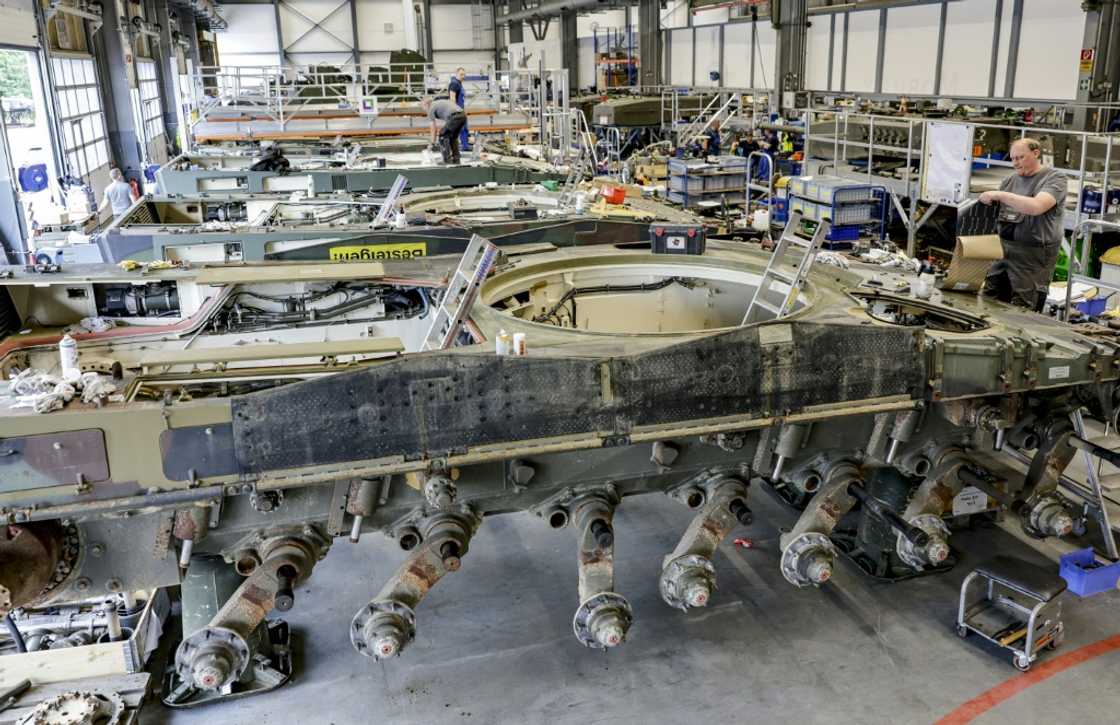
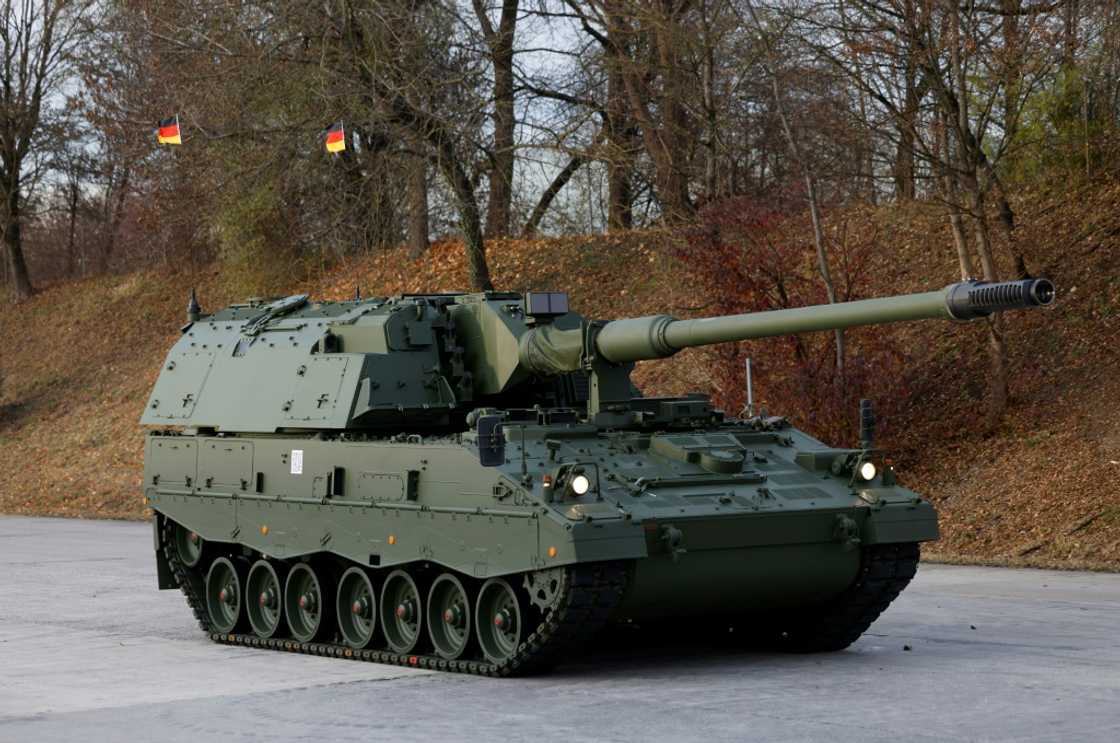
The old guard, represented by established defense companies like Rheinmetall, emphasizes the importance of traditional heavy weaponry such as tanks and armored vehicles. These systems have proven their effectiveness over decades and are seen as essential for large-scale conflicts. Armin Papperger, CEO of Rheinmetall, argues that while drones are becoming increasingly relevant, they are just one part of a broader defense strategy.
"Without armoured vehicles, it would not be possible to defend a country or repel an aggressor if they invade," Papperger stated. He believes that in a potential NATO conflict, the role of drones would be less significant than in the current war in Ukraine.
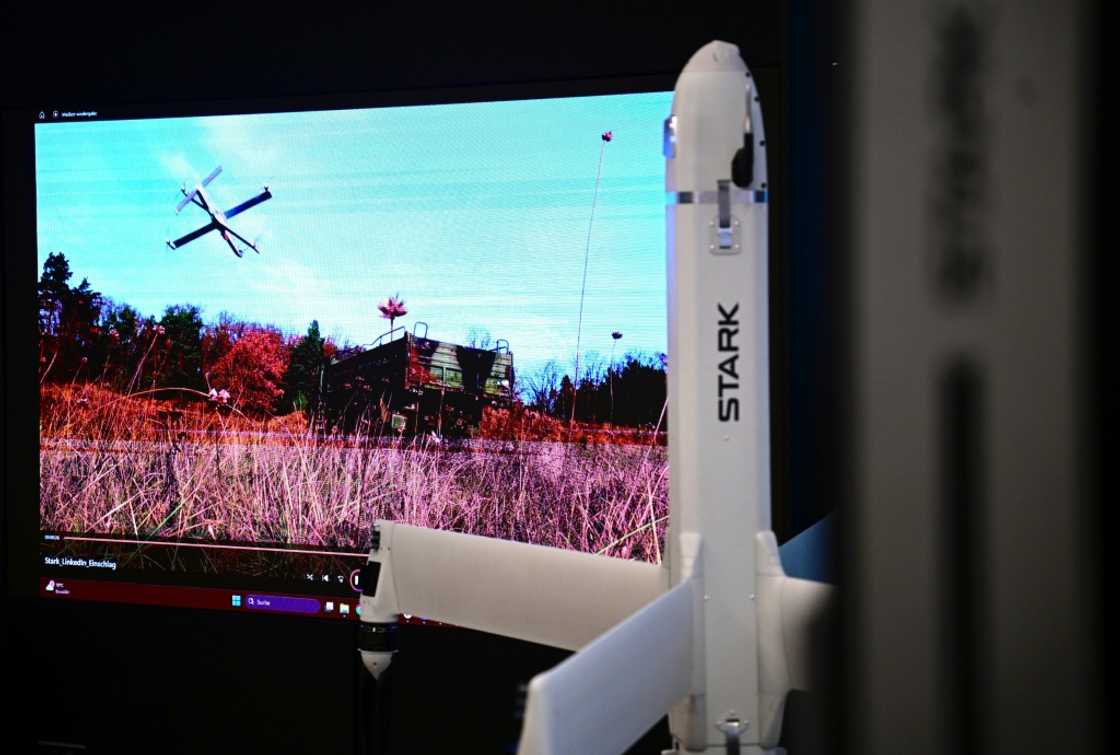
On the other hand, German tech defense start-ups like Helsing and Stark are pushing for a shift toward more modern, AI-enabled technologies. These companies argue that the Ukraine war has demonstrated the effectiveness of inexpensive, mass-producible equipment such as drones.
Gundbert Scherf, co-founder of Helsing, highlighted the need for a change in spending patterns. "Spending patterns have to change as the world around us changes," he said. Helsing, backed by prominent investors, has already conducted successful tests with the German military, showcasing the potential of its strike drones.
The Pressure to Keep Pace
Stark, another emerging player in the defense sector, shares similar sentiments. Josef Kranawetvogl, a senior executive at the company, noted that procurement in Germany is changing positively but expressed concerns about the pace of the shift. "We are really good in Europe at writing strategic papers — but we have to execute more. We have to keep pace," he said.
Despite the optimism from these start-ups, there are indications that the focus on traditional weapons remains strong. A recent report by Politico revealed that a significant portion of the 377 billion euros earmarked for arms purchases is set to go to established defense companies. While the government has acknowledged the importance of drones, it also emphasized the continued need for battle tanks, armored personnel carriers, and combat aircraft.
The Broader Implications
Germany's rearmament marks a significant transformation for a country historically reluctant to engage in military expansion. However, some experts warn that the pace of this transformation may not be sufficient. Niall Ferguson and Moritz Schularick, prominent historians, recently criticized the military's planning, arguing that it is lagging behind the rapid development of unmanned and autonomous systems.
They warned that those in charge are too focused on "the weapons of the last war — not the next." This concern highlights the growing urgency for Germany to adapt its defense strategy to meet the challenges of modern warfare.
The Road Ahead
As Germany continues to navigate this complex landscape, the balance between traditional and modern defense strategies will be crucial. The success of the country's rearmament efforts will depend on its ability to integrate new technologies while maintaining the reliability of established systems. With the threat of global conflicts evolving, the need for a forward-thinking approach has never been more pressing.


Comments
Post a Comment