Global Geothermal Investment to Surge 20% Annually by 2030
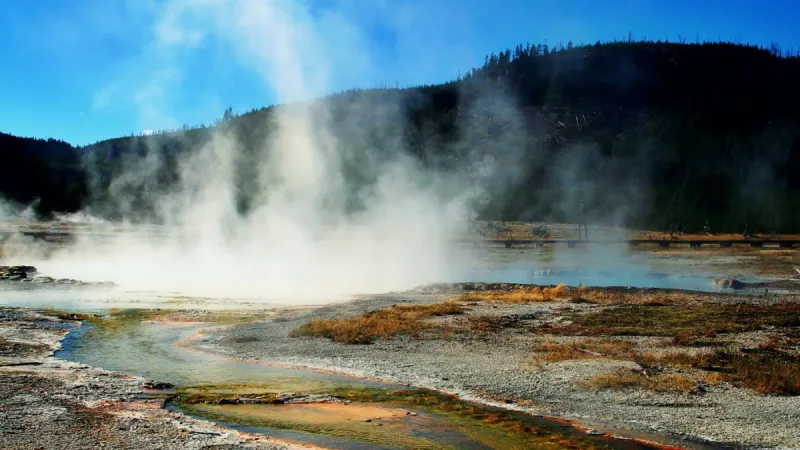
Geothermal Energy Investment Set for Rapid Growth
Global geothermal investment is expected to see significant growth in the coming years. According to Rystad Energy, capital spending on geothermal projects is projected to increase by approximately 20% annually through 2030. This upward trend highlights the growing interest in geothermal energy as a reliable and clean source of power.
The expansion of geothermal interest is not limited to traditional markets. Governments and companies around the world are increasingly turning to geothermal energy to meet their clean energy goals. This shift is driven by the need for a stable, baseload energy supply that can complement intermittent renewable sources like wind and solar.
Cost Structure of Geothermal Projects
Rystad Energy has provided insights into the cost structure of geothermal projects, noting that it remains relatively consistent across different regions. The majority of spending goes toward surface facilities, which account for slightly more than half of total costs. Subsurface work makes up about 47% of the budget, while pre-FID (Front-End Engineering and Design) activities take up roughly 2%.
Although pre-FID activities represent a smaller portion of overall costs, they are still a critical area of project risk. These early-stage activities involve detailed planning and feasibility studies, which can significantly impact the success of a geothermal project.
Regional Priorities and Applications
Regional priorities for geothermal development vary. In Europe, the focus is primarily on heating applications, such as district heating systems. These systems are being used to decarbonize building heat, contributing to broader climate goals.
In Asia, particularly in Indonesia, and in North America, the emphasis is on power generation to meet baseload energy needs. In the United States, the growth of geothermal investment is also linked to the development of enhanced geothermal systems (EGS), which have the potential to unlock new resources. Additionally, rising demand from data centers is driving interest in geothermal energy.
Emerging Use Cases
Cooling is becoming an emerging application for geothermal energy. Early pilots include the UAE’s G2COOL geothermal cooling project, which aims to provide cooling solutions for data centers. This innovative use case demonstrates the versatility of geothermal energy beyond traditional heating and power generation.
Cost Comparisons
On a dollars-per-watt basis, Rystad estimates that district heating costs are approximately US$3 per watt. This is significantly lower than the cost of power generation, which is estimated at around US$6 per watt. The higher cost for power generation reflects the added expenses associated with turbines and more complex surface equipment.
As geothermal energy continues to gain traction, its role in the global energy mix is expected to expand. With ongoing technological advancements and increasing investment, geothermal energy is well-positioned to play a key role in the transition to a cleaner and more sustainable energy future.


Comments
Post a Comment