Government strengthens ISMS and ISMS-P certifications following data leaks
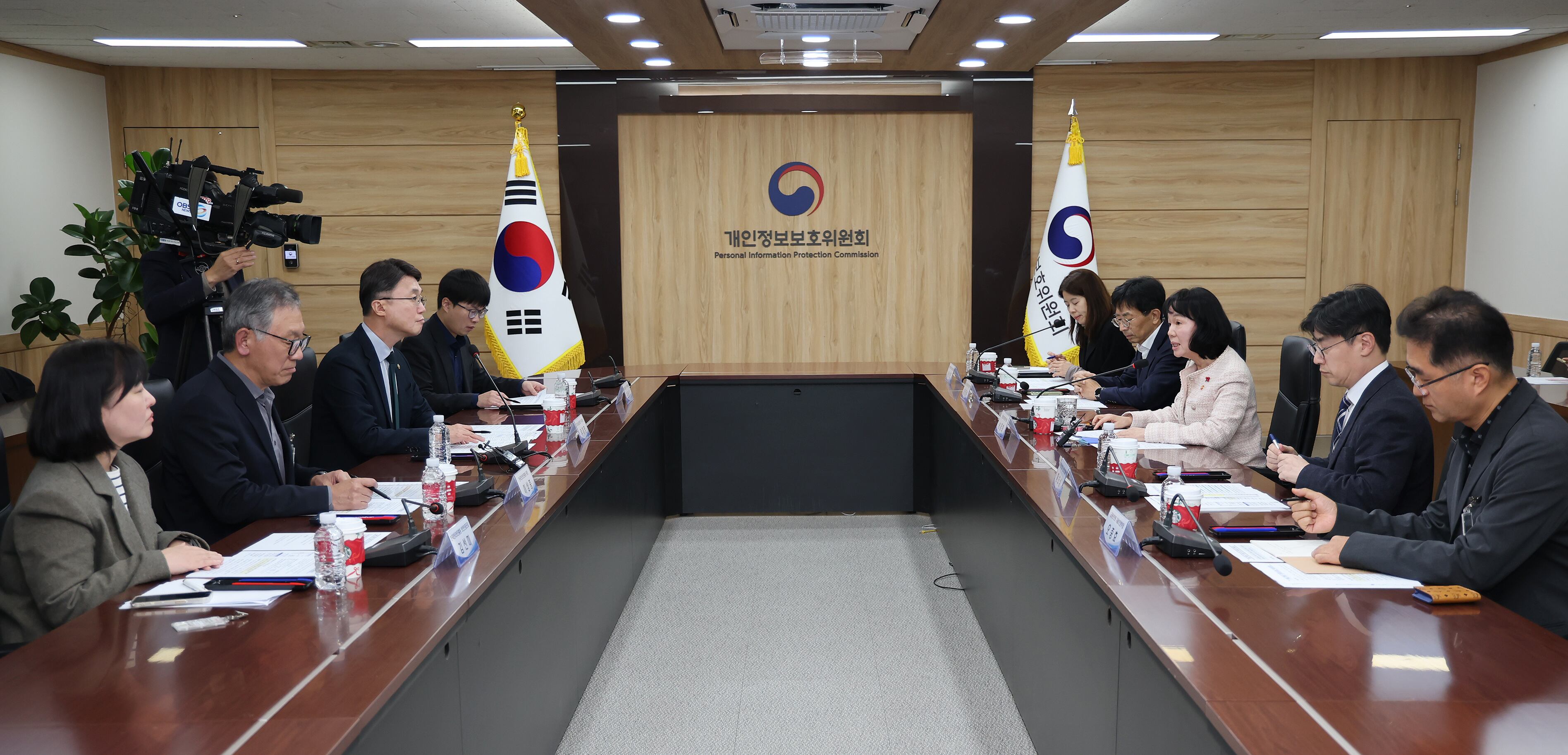
Strengthening Post-Certification Management for Information Security Systems
The government has taken significant steps to enhance the post-certification management and review criteria for two critical systems: the Information Security Management System (ISMS) and the Information Security and Personal Information Protection Management System (ISMS-P). This decision comes in response to multiple instances of personal information leaks at companies that had previously obtained these certifications, such as Coupang. The initiative aims to ensure that certified entities maintain high standards of data protection and security.
Reform Plan and Certification Requirements
The Personal Information Protection Commission (PIPC) and the Ministry of Science and ICT announced on the 6th that they held an interagency task force meeting to discuss improvements to the certification system. As part of the reform plan, the ISMS-P certification, which was previously voluntary, will now be mandatory for major public and private personal information processing systems. This change is intended to ensure continuous safety management across key sectors.
Key targets for this new requirement include essential public systems, telecom companies, and large platforms. To implement these changes, amendments to the Personal Information Protection Act and the Information and Communications Network Act will be pursued.
Enhanced Review Processes
The review process will also see comprehensive strengthening. During the preliminary review stage, core items will be verified first, while technical reviews and on-site verification inspections will be enhanced. The government plans to establish sector-specific certification committees and expand AI-related training for reviewers to improve their expertise.
Stricter Post-Certification Management
Post-certification management will become more rigorous. If a certified company experiences a data breach, an immediate special post-certification review will be conducted to verify compliance with certification standards. If severe deficiencies are found, the certification may be revoked following deliberation and resolution by the certification committee. So far, no certified company has had its certification revoked.
For companies where leaks occur, the number of personnel and the duration of post-certification reviews will be doubled compared to previous standards. This will allow for a more intensive inspection of the causes of the incident and measures to prevent recurrence. The PIPC will begin on-site inspections this month for certified companies involved in leaks.
Joint Inspections and Compliance Verification
In particular, companies currently under investigation, such as Coupang, will undergo joint inspections by the Ministry of Science and ICT’s public-private task force, the PIPC, the Korea Internet & Security Agency (KISA), and the Financial Security Agency. These inspections aim to verify compliance with certification standards and ensure that all necessary measures are in place to protect personal information.
Conclusion
The government's actions reflect a growing emphasis on ensuring the integrity and effectiveness of information security systems. By strengthening post-certification management and review processes, the authorities aim to create a more secure environment for handling personal information. This initiative not only addresses current vulnerabilities but also sets a precedent for future compliance and accountability in the digital age.


Comments
Post a Comment