Japan's 230 Bear Attack Victims: A Disturbing Record
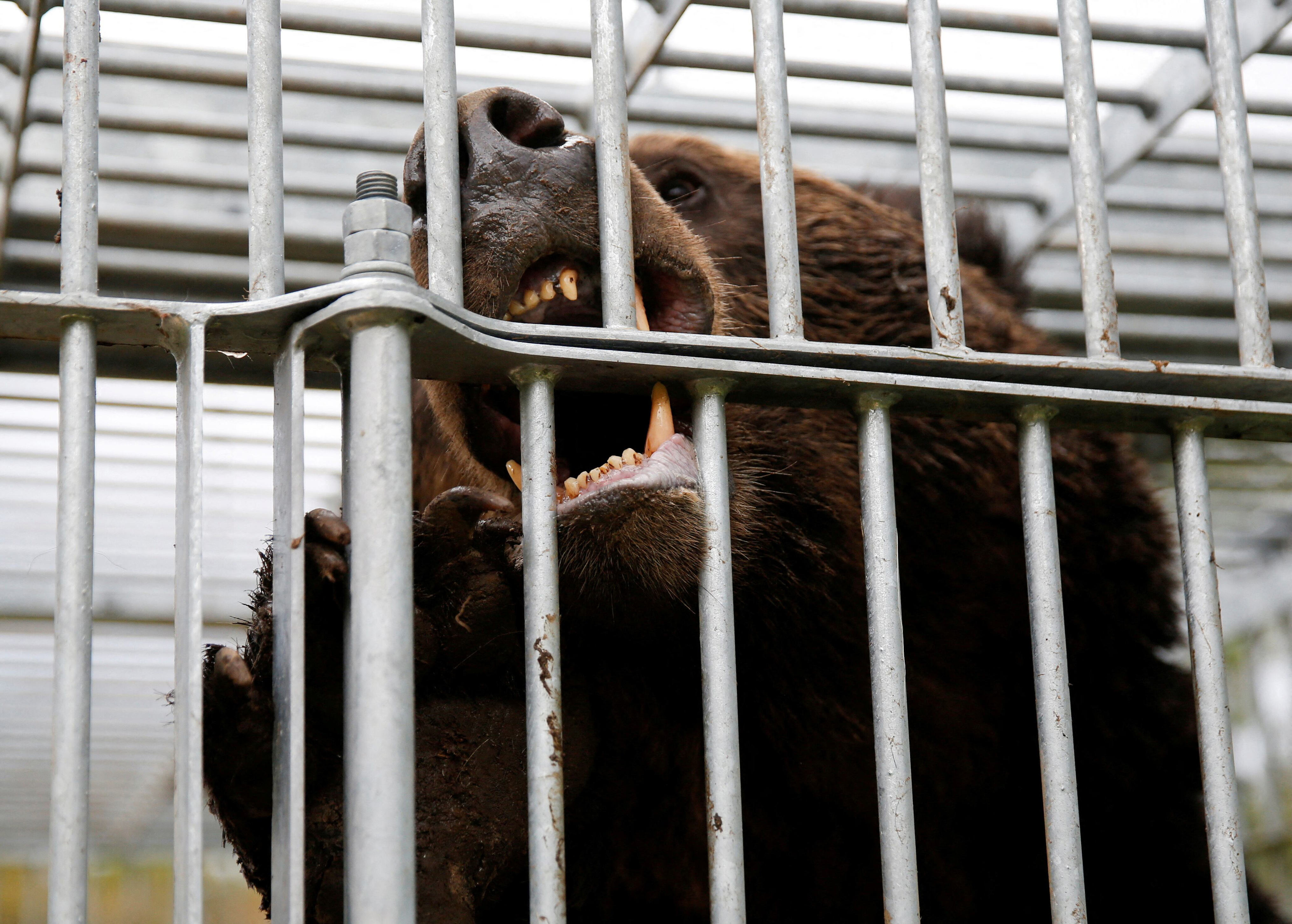
Record Number of Bear Attacks in Japan
Japan has witnessed a significant increase in bear attacks this year, with the number of human casualties reaching an all-time high. According to data released by Japan’s Environment Ministry on the 6th, from April to November this year, there were 13 deaths and 217 injuries caused by bear attacks, totaling 230 victims. This surpasses the previous record of 219 annual victims set in 2023. Notably, the number of deaths this year was more than double that of 2023, which recorded six fatalities.
In addition to the rise in casualties, the number of bears captured also reached a historic high, with 9,867 bears captured during the period. This exceeds the 9,276 captured in 2023, marking the highest ever recorded.
Regional Impact of Bear Attacks
The impact of these bear attacks has been most severe in the Tohoku region of northeastern Japan. Akita Prefecture reported 66 victims, followed by Iwate Prefecture with 37, Fukushima Prefecture with 24, and Niigata Prefecture with 17. Together, these four prefectures accounted for two-thirds of all victims in the region.
Distribution of Bear Species and Attack Patterns
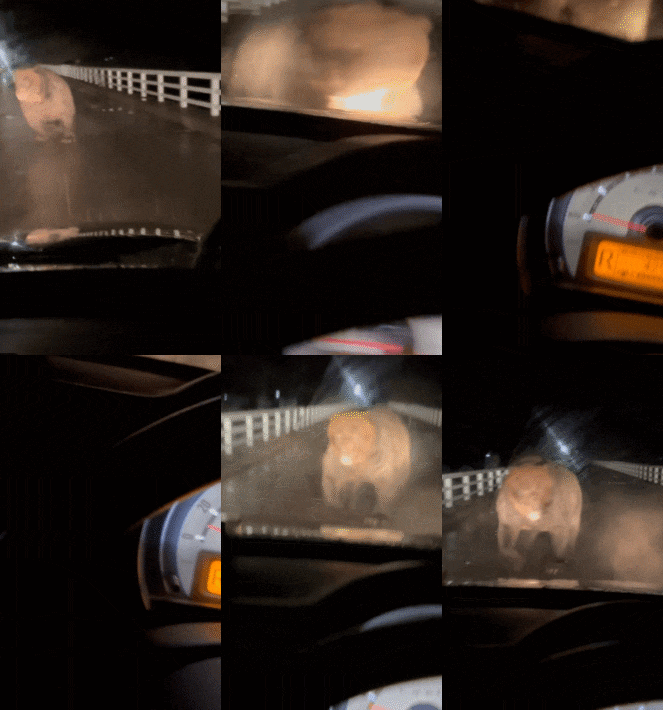
Brown bears are primarily found in northern Hokkaido, while Asiatic black bears inhabit Honshu, the main island of Japan. Data shows that 97% of this year’s human casualties were attributed to Asiatic black bears. A notable trend is the increasing number of incidents where these bears leave their traditional mountainous habitats and enter urban areas and residential zones.
One such incident occurred in October in Kitakami City, Iwate Prefecture. A 60-year-old man who was cleaning an open-air hot spring bath was attacked by a bear, went missing, and was later found dead in a nearby mountain. According to reports from The Asahi Shimbun, 66% of those who died or were injured in bear attacks this year were located in residential areas such as city centers or farmland.
Factors Contributing to Increased Attacks
Experts have identified several factors contributing to the surge in bear attacks. One key factor is the poor harvest of beech nuts, a primary food source for bears, which has been impacted by climate change. As a result, bears struggling to find food have increasingly ventured into residential areas.
Additionally, the aging population and declining rural populations have led to the neglect of forested areas adjacent to residential zones, which serve as natural "buffer zones." This has created more opportunities for bears to come into contact with humans. Kyodo News highlighted that the decline in the number of hunters capable of controlling bear populations is another critical issue.
Government Response and Measures
In response to the rising number of bear-related incidents, the Japanese government allocated 3.4 billion yen (approximately 32.3 billion won) under the “bear countermeasures” category in the supplementary budget passed at last month’s Cabinet meeting. The budget includes plans to reorganize retired police and Self-Defense Forces personnel into “armed capture teams.” It also aims to support local governments with advanced capture equipment and drone surveillance systems to enhance bear management efforts.
These measures reflect the growing urgency to address the challenges posed by the increasing human-bear conflict in Japan.


Comments
Post a Comment