Kilauea Volcano Reawakens with Lava Fountains
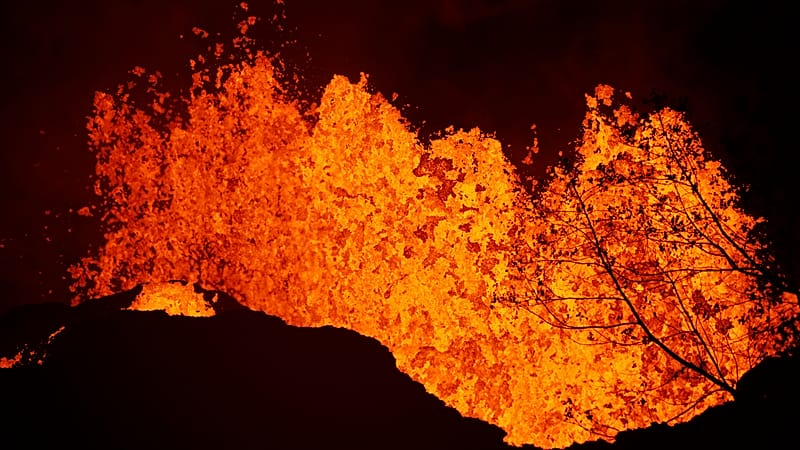
Mount Kilauea, located on Hawaii’s Big Island, has once again started its periodic eruptions, creating a spectacular display of red lava fountains that illuminate the night sky. This ongoing activity, which has drawn the attention of both locals and tourists for almost a year, began on December 6. The lava fountains have reached heights of between 50 and 100 feet from vents on the north cone, offering a breathtaking natural phenomenon for observers.
Despite the dramatic visuals, the current eruption remains contained within Hawaii Volcanoes National Park. Scientists from the United States Geological Survey (USGS) are closely monitoring the situation, keeping track of increased seismic activity and changes in lava flow patterns. Their efforts aim to ensure that any potential risks are identified and managed effectively.
At this time, no nearby communities are considered to be in immediate danger. The USGS continues to provide regular updates and assessments to keep the public informed about the volcano's behavior. This level of monitoring is crucial, as it allows authorities to respond swiftly if conditions change.
The eruption has become a major attraction for visitors, who gather at safe viewing points to witness the power of nature. Many have described the experience as awe-inspiring, with the glowing lava flows and the sound of the earth rumbling creating a unique atmosphere.
While the event is captivating, it also serves as a reminder of the dynamic and ever-changing landscape of the Hawaiian Islands. Mount Kilauea is one of the most active volcanoes in the world, and its eruptions are a natural part of the geological processes that shape the region.
For those interested in observing the eruption, there are designated areas where it can be safely viewed. These locations are often monitored by park rangers and scientists to ensure that visitors remain at a safe distance from the active lava flows.
The ongoing activity has also sparked interest among researchers and geologists, who are studying the patterns of the eruption to better understand volcanic behavior. This research contributes to broader scientific knowledge and helps improve predictive models for future eruptions.
In addition to the scientific significance, the eruption has had an impact on local tourism. Many businesses have seen an increase in visitors eager to witness the natural spectacle, while others are closely watching how the situation evolves. The balance between safety and accessibility is a key consideration for park officials and local authorities.
As the eruption continues, the focus remains on monitoring and communication. Updates from the USGS and other agencies are essential for ensuring that the public is well-informed and prepared. This includes information on air quality, road closures, and any changes in the volcano’s activity.
Overall, the recent eruptions of Mount Kilauea highlight the beauty and power of natural forces. They offer a rare opportunity to observe the Earth’s inner workings and remind us of the importance of understanding and respecting the environment.


Comments
Post a Comment