Mazda Invests B5bn in New Mild Hybrid EV Initiative
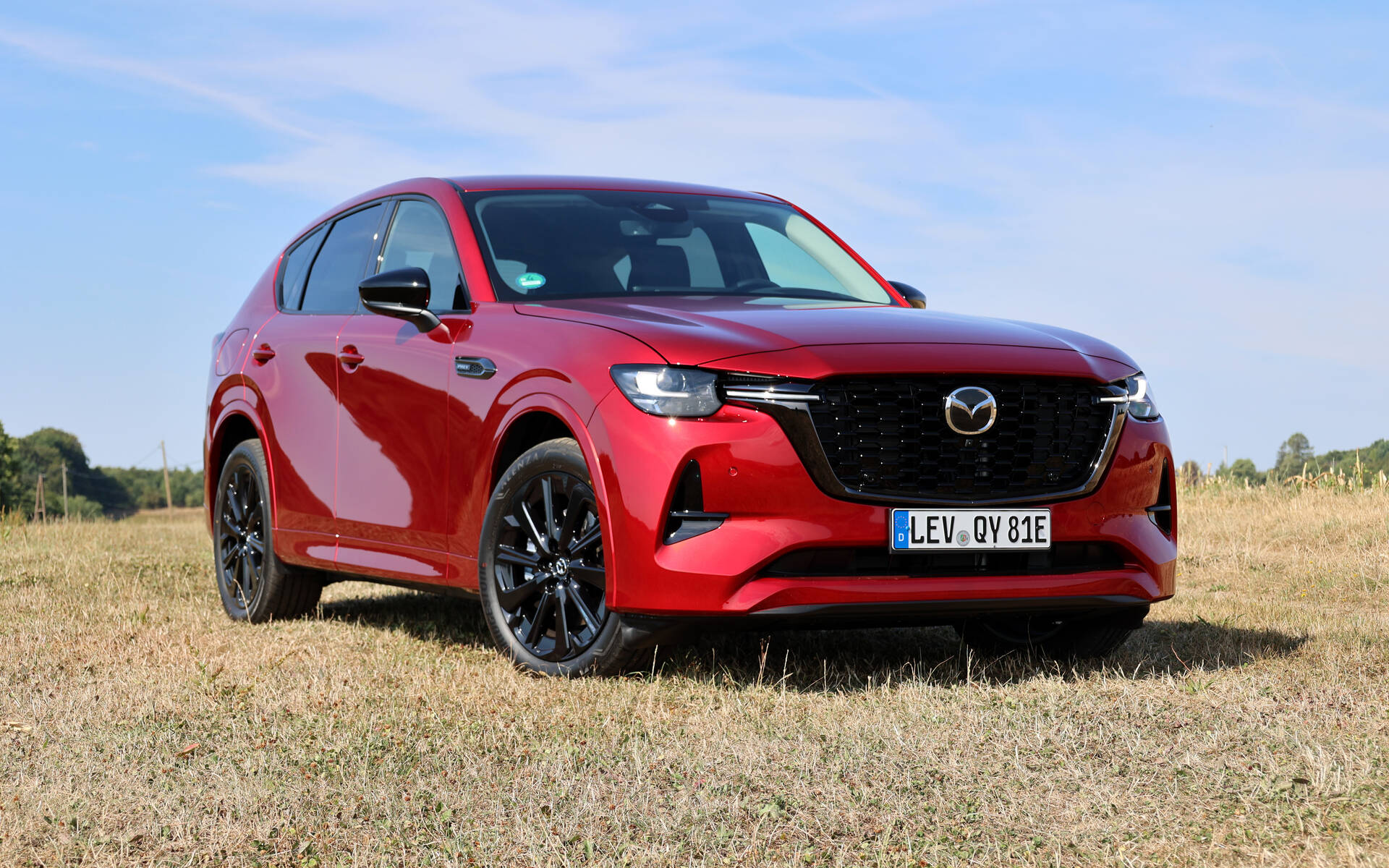
Mazda's Strategic Move in Thailand's Automotive Sector
Mazda Motor Corporation is making a significant investment in Thailand, planning to allocate 5 billion baht early next year for the establishment of a new production base dedicated to mild hybrid electric vehicles (MHEVs). This move marks a crucial step in Thailand’s journey toward embracing electric mobility and highlights the country’s growing importance in the global automotive industry.
The new facility is expected to have an annual production capacity of 100,000 units, with operations set to commence in 2027. The vehicles produced at this site will be exported to key markets such as Japan, Australia, New Zealand, and various countries across Southeast Asia. While the specifics of whether Mazda will build a new factory or expand its existing assembly plant in Rayong remain undisclosed, the company has expressed confidence in the quality of vehicles manufactured in Thailand.
This investment aligns with the Board of Investment (BoI)’s efforts to promote sustainable and innovative automotive technologies. Narit Therdsteerasukdi, the BoI secretary-general, emphasized that both Mazda and its customers are confident in the quality of cars produced by Thai factories. His comments came after Masahiro Moro, president and CEO of Mazda Motor Corporation, presented the company’s investment plan during a meeting with Deputy Prime Minister and Finance Minister Ekniti Nitithanprapas.
The decision to invest in MHEV production was further supported by the Electric Vehicle Policy Committee, which approved incentives aimed at encouraging automakers to adopt hybrid technology. These incentives include a flat excise tax rate for seven years, from 2026 to 2032, designed to make hybrid vehicle production more attractive.
MHEVs combine traditional internal combustion engines with small electric motors, offering improved fuel efficiency and reduced emissions without the need for external charging. This technology serves as a transitional solution between conventional vehicles and fully electric models, appealing to both automakers and consumers.
The focus of Mazda’s new project will be on producing B-SUV models—small sports utility vehicles—with over 60% of the output intended for export. The company has also set a target of using more than 70% local content, reinforcing confidence in Thailand’s manufacturing standards.
This investment marks Mazda’s first step towards developing electric vehicles in Thailand, with future plans to expand into full hybrid electric vehicle production. Mr. Narit highlighted that this move reaffirms Thailand’s position as a global automotive hub and reflects Mazda’s confidence in the country’s ability to produce world-class vehicles.
Mazda already has a strong presence in Thailand, operating four companies that cover vehicle assembly, engine production, parts distribution, and regional marketing. The company’s joint venture with Ford, AutoAlliance (Thailand), serves as a major production base for pickup trucks and passenger cars. Additionally, Mazda Powertrain Manufacturing (Thailand) has been established, with over 12 billion baht invested to make Thailand the hub for SKYACTIV technology, which enhances fuel efficiency, reduces emissions, and improves driving performance.
Mazda’s continued investment in Thailand underscores the country’s strategic role in the global automotive supply chain. With its commitment to innovation and sustainability, Thailand is well-positioned to become a leading center for advanced vehicle manufacturing. As the automotive industry evolves, Mazda’s presence in the region is likely to grow, contributing to Thailand’s economic development and strengthening its reputation as a key player in the global market.


Comments
Post a Comment