Roe Deer Saved from Siberian Ice Traps
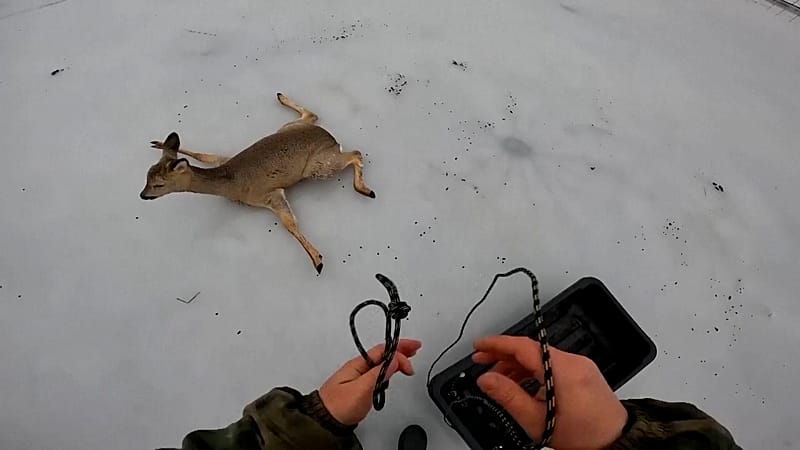
More than 300 roe deer were rescued from frozen lakes in Russia's Novosibirsk region after an early migration left them stranded on icy surfaces. The animals, unable to stand or move on the slick ice, were found lying or sliding helplessly. Local fishers in the Karasuk district carried dozens of deer to safety, filming the tense scenes.
The incident occurred when a sudden shift in weather patterns caused the lakes to freeze prematurely. As a result, the roe deer, which typically migrate to more temperate areas during colder months, became trapped on the ice. Their inability to navigate the slippery terrain led to a dire situation, with many of the animals struggling to find a way to safety.
Emergency crews later joined the effort, using a hovercraft to reach the most affected areas. The Ministry of Nature reported that most of the animals survived, though some were already dead when help arrived. The rescue operation highlighted the challenges faced by wildlife in the face of unpredictable climate changes.
The event has sparked discussions about the impact of environmental factors on animal migration. Experts suggest that the early freezing of lakes may have been influenced by unusual weather patterns, which can disrupt the natural behavior of wildlife. This incident serves as a reminder of how sensitive ecosystems are to even small shifts in temperature and precipitation.
Local communities played a crucial role in the rescue efforts. Fishers, who are often familiar with the region’s terrain, were among the first to respond. Their quick actions helped save many of the deer before the situation escalated further. The footage captured during the rescue has since gone viral, drawing attention to the plight of the animals and the dedication of those involved in their recovery.
The Ministry of Nature emphasized that while the majority of the roe deer were successfully rescued, the loss of some individuals underscores the importance of timely intervention. Wildlife conservationists are now calling for increased monitoring of animal movements, especially in regions prone to sudden weather changes.
This incident also raises questions about the long-term effects of climate change on wildlife habitats. As temperatures continue to fluctuate, it is likely that such events will become more frequent, requiring coordinated efforts between local communities, government agencies, and environmental organizations.
In addition to the immediate rescue, there are ongoing efforts to assess the health of the surviving deer. Veterinarians and biologists are working together to ensure that the animals receive proper care and are released back into the wild once they are strong enough.
The story of the roe deer in Novosibirsk has become a symbol of resilience, both for the animals and the people who came to their aid. It highlights the interconnectedness of human and animal life, and the need for continued vigilance in protecting vulnerable species.
As the region continues to recover from the event, the focus remains on learning from this experience to better prepare for future challenges. By understanding the factors that contribute to such incidents, authorities and conservationists hope to prevent similar situations from occurring again.


Comments
Post a Comment