Samsung's AI Power-Saving Mode Reduces Appliance Use by 30%
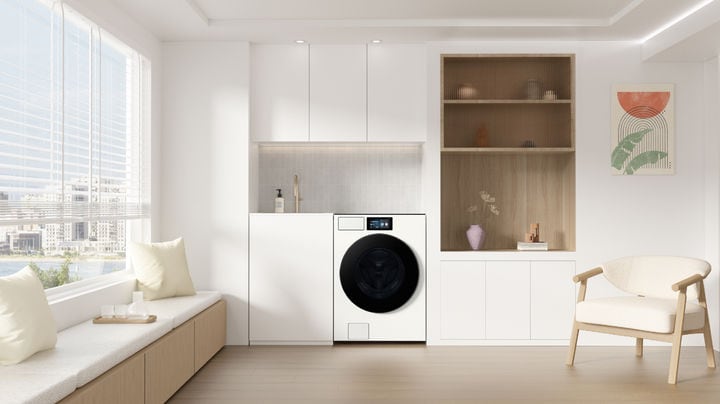
Samsung's AI Energy-Saving Mode Reduces Home Appliance Energy Use by 30%
Samsung Electronics has unveiled a significant breakthrough in energy efficiency through its ‘AI (artificial intelligence) Energy-Saving Mode’ for home appliances. According to the company, this mode can reduce energy consumption by approximately 30%, marking a major step forward in sustainable technology.
The announcement was made on the 14th, when Samsung revealed that it had verified a reduction of about 30% in energy usage for high-efficiency washing machines using the AI Energy-Saving Mode on SmartThings, its Internet of Things (IoT) platform. SmartThings is a key platform that connects Samsung’s range of home appliances, enabling users to manage and monitor their devices remotely.
To validate the effectiveness of the AI Energy-Saving Mode, Samsung conducted a comprehensive study from July of last year to June of this year. The research involved measuring energy consumption for around 187,000 high-efficiency washing machines in real-world conditions across 126 countries, including the U.S., South Korea, India, and the European Union. This initiative was carried out in collaboration with Carbon Trust, a global organization specializing in carbon verification.
The results were impressive. The AI Energy-Saving Mode was found to save approximately 5.02 gigawatt-hours (GWh) of energy, which equates to 30% of total energy consumption. To put this into perspective, this amount of energy is equivalent to the electricity used by around 14,000 households in Seoul for one month during the summer.
A representative from Samsung Electronics highlighted that the verification process measured the mode when users freely set the AI Energy-Saving Mode. They also noted that the energy-saving effect is expected to increase as more users adopt the mode.
Significance of the Verification
This verification is particularly noteworthy because it represents the first time in the industry that carbon reduction effects have been measured in actual products based on the carbon emission and reduction measurement standards of the ‘Decarbonization of Use Phase for Connected Devices (DUCD)’ consortium. This achievement underscores Samsung’s commitment to sustainability and innovation in smart home technology.
The DUCD consortium aims to establish standardized methods for measuring and reducing carbon emissions from connected devices during their use phase. By aligning with these standards, Samsung is not only demonstrating its leadership in energy-efficient technology but also contributing to broader environmental goals.
Future Implications
With the success of the AI Energy-Saving Mode, Samsung is setting a new benchmark for energy efficiency in home appliances. As more consumers become aware of the benefits of this technology, the adoption rate is likely to rise, leading to even greater energy savings and reduced carbon footprints.
Moreover, this development could inspire other manufacturers to invest in similar technologies, fostering a competitive environment that drives innovation and sustainability in the home appliance industry.
In conclusion, Samsung’s AI Energy-Saving Mode is a game-changer that combines advanced artificial intelligence with practical energy-saving solutions. It not only benefits individual users by lowering their energy bills but also contributes to global efforts to combat climate change. As the world continues to seek sustainable alternatives, initiatives like this will play a crucial role in shaping a greener future.


Comments
Post a Comment