Seven substations upgraded to automated system, six more on the way
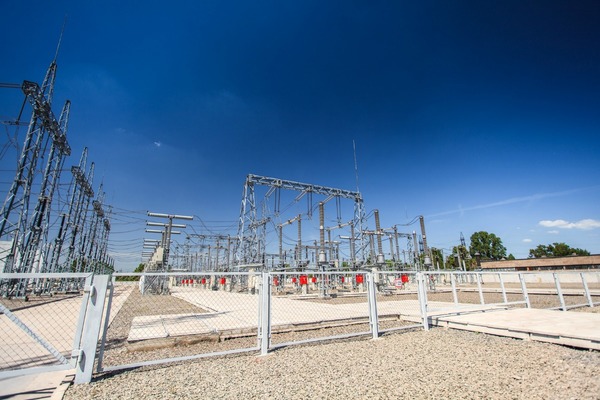
Modernizing Nepal's Power Network
Nepal is taking significant steps towards modernizing its power network by integrating older grid substations into an automated operating system. This initiative is part of a broader plan to digitize and enhance the efficiency of the country’s electricity infrastructure. The Nepal Electricity Authority (NEA) has already completed automation work on seven of the 13 planned substations, marking a crucial milestone in this transformation.
The automation project aims to improve the reliability and efficiency of power distribution across the nation. By implementing advanced technology, NEA is not only streamlining operations but also reducing the potential for human error and increasing response times during outages. The newly automated substations are now being managed from a central control room located at NEA’s Minbhawan office, which serves as the nerve center for monitoring and controlling the power network.
Among the seven substations that have been successfully integrated into the automated system are Panchkhal, Banepa, Patan, Lainchaur, Balaju, Chapali, and Bhaktapur. These locations were selected based on their strategic importance and the need for enhanced operational capabilities. Each of these substations now benefits from real-time data monitoring, remote control functions, and improved communication systems, which collectively contribute to a more resilient power grid.
The automation process involves the installation of smart meters, digital protection relays, and communication networks that allow for seamless data exchange between the substations and the central control room. This technological upgrade enables NEA to detect and respond to issues more quickly, ensuring a more stable supply of electricity to consumers.
In addition to improving operational efficiency, the automation project also supports Nepal’s long-term goal of achieving energy security and sustainability. By leveraging digital technologies, NEA can better manage energy demand, integrate renewable energy sources, and reduce transmission losses. This aligns with global trends in energy management and positions Nepal to meet the growing demands of its population and economy.
The remaining six substations are expected to undergo similar upgrades in the coming months. NEA has outlined a phased approach to ensure that each stage of the automation process is implemented smoothly and effectively. This includes training for staff, testing of new systems, and continuous evaluation of performance metrics.
As the project progresses, it is anticipated that the benefits of automation will extend beyond just the technical aspects of power distribution. Improved service quality and reliability can lead to increased consumer satisfaction and greater trust in the national power system. Moreover, the modernization efforts may attract investments in related sectors, such as manufacturing and technology, further boosting economic growth.
Overall, the automation of grid substations represents a significant step forward in Nepal’s journey towards a more efficient, sustainable, and reliable power network. With continued commitment and strategic planning, the country is well on its way to achieving its energy goals and meeting the needs of its people.


Comments
Post a Comment