Sindh Minister Pushes Tech for Better Water Management
Enhancing Water Management in Sindh
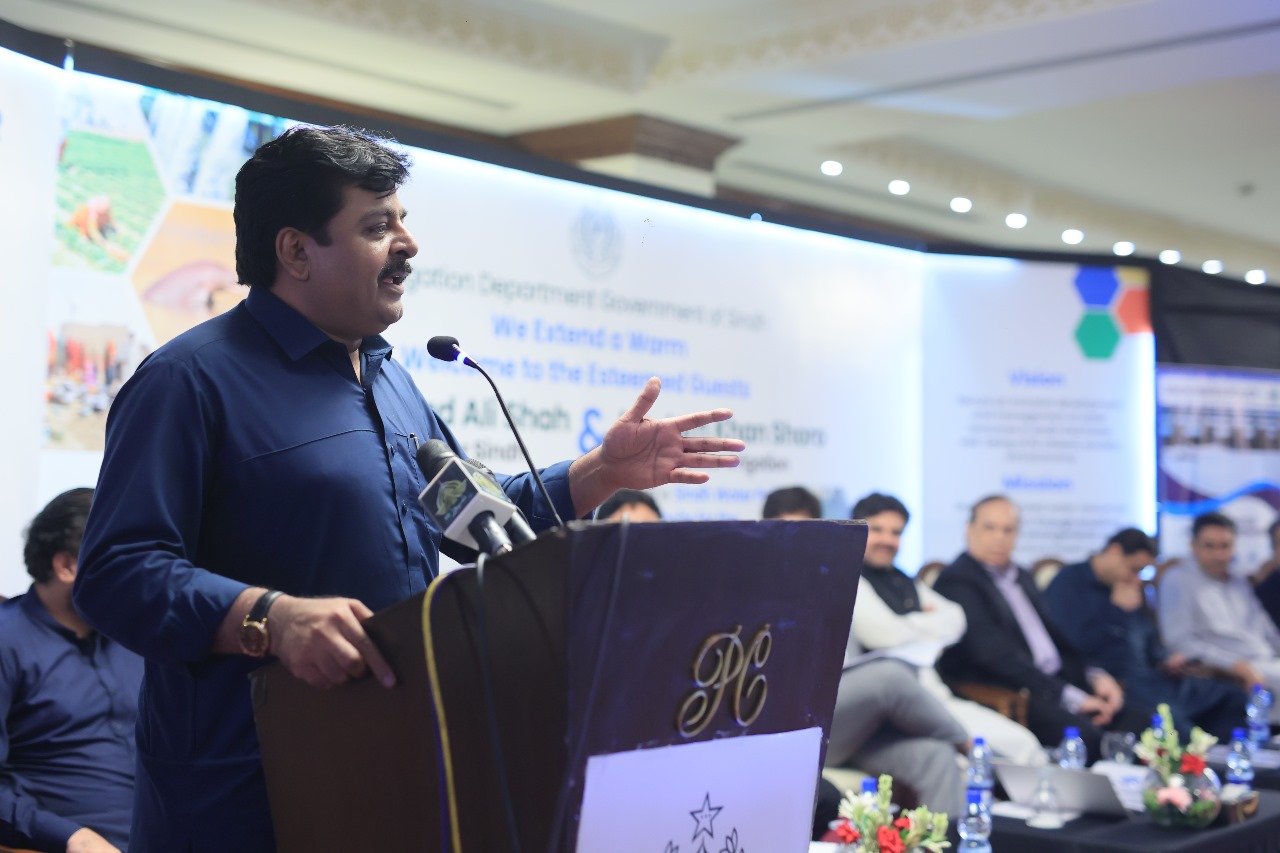
Sindh Irrigation Minister Jam Khan Shoro emphasized the importance of improving water management through scientific methods and modern technology. His remarks were made during a meeting with a delegation from the Sindh Flood Emergency Response Project (SFERP) and Advanced Integrated Tool (AIT). The meeting aimed to discuss strategies for ensuring conservation and sustainable water management in the province.
The delegation included key figures such as Project Director Javed Memon, Senior Water Management Specialist Zahid Sheikh, AIT Team Leader William van Dersen, Deputy Team Leader Furqan Sheikh, and other technical experts. Their discussions focused on the latest developments and challenges in managing water resources effectively.
Overview of the Decision Support System
During the meeting, a detailed briefing was provided on the performance and current status of the Decision Support System (DSS) for effective and safe water management in Sindh. The system's advanced features, including data analysis and decision-making support technology, were highlighted. These tools are crucial for responding promptly during flood situations, ensuring that actions taken are both timely and informed.
The DSS is designed to provide real-time data and insights, allowing officials to make informed decisions quickly. This system plays a vital role in mitigating the impact of floods and other water-related emergencies, thereby safeguarding lives and property.
Focus on the Right Bank of the Indus River
In addition to the DSS, the delegation also discussed special studies related to the Right Bank of the Indus River. This area is critical for understanding the flow patterns and potential risks associated with the river. The findings from these studies will inform future planning and development efforts in the region.
The discussion also touched upon the future planning of phase 2 of the SFERP. This phase aims to build on the successes of the initial project while addressing new challenges and opportunities. The goal is to create a more resilient and adaptive water management system that can withstand the pressures of climate change and population growth.
Emphasis on Modern Digital Systems
Jam Khan Shoro stressed the importance of utilizing modern digital systems and the guidance of international experts for more effective and secure water management in Sindh. He directed the officers concerned to immediately implement the suggestions provided by the delegation for the improvement of the Sindh Flood Emergency Response Project.
By integrating advanced technologies and expert knowledge, the government aims to enhance the efficiency and effectiveness of its water management practices. This approach not only ensures better resource allocation but also promotes long-term sustainability.
Conclusion
The collaboration between local authorities and international experts is essential for addressing the complex challenges of water management in Sindh. Through the use of modern technology and strategic planning, the province can achieve more sustainable and efficient water use. The ongoing efforts to improve the Decision Support System and expand the scope of the SFERP are significant steps toward this goal.
As the project progresses, it is expected to set a benchmark for water management practices in the region. The lessons learned and the innovations implemented will serve as valuable resources for other areas facing similar challenges.


Comments
Post a Comment