Singapore Parents Applaud School Smartphone Restrictions: 'Better Late Than Never'
Global Efforts to Curb Screen Time and Protect Adolescents
The issue of screen time among adolescents has become a growing concern for parents, educators, and governments worldwide. As technology becomes more integrated into daily life, many countries are taking steps to limit the impact of digital devices on young people.
Lynn Lee, a stay-at-home mother of three from Singapore, has experienced firsthand the challenges of managing her daughter’s screen time. Her 15-year-old spends up to eight to 10 hours a day watching dramas or playing games on her phone, despite parental controls that shut off internet access at 10:30 p.m. Lee describes this behavior as an addiction, which has led to changes in her daughter’s mood and even affected her eyesight.
“It’s not because they’re not well-behaved, but it’s really addictive and they do it unknowingly,” Lee said. “As parents, we have to help them.”
Lee is not alone in her concerns. Many parents have welcomed recent government measures aimed at reducing device usage among children. In Singapore, for example, secondary school students will no longer be allowed to use smartphones during school hours starting in 2026. The ban applies to primary schools already, with devices stored in designated areas during school hours.
International Trends in Regulating Digital Use
Singapore is not the only country taking action. Across the globe, nations are implementing stricter rules on screen time and social media access for adolescents. In Australia, the internet regulator recently announced a social media ban for teenagers under 16, signaling a global push to rein in Big Tech. Meanwhile, Malaysia has introduced new regulations that would block children under 16 from accessing social media platforms and tighten content controls for those aged 18 and under.
In January, Singapore launched the Grow Well SG initiative, aimed at promoting healthier lifestyles for children and adolescents in the digital age. The health ministry also updated its guidelines on screen use, recommending less than an hour of screen time for children between 18 months and six years old, and less than two hours for those aged seven to 12.
These efforts come after a survey conducted by the government-funded media site CNA and the Institute of Policy Studies (IPS) found that teenagers aged 13 to 19 spent an average of 8.5 hours per day using electronic devices.
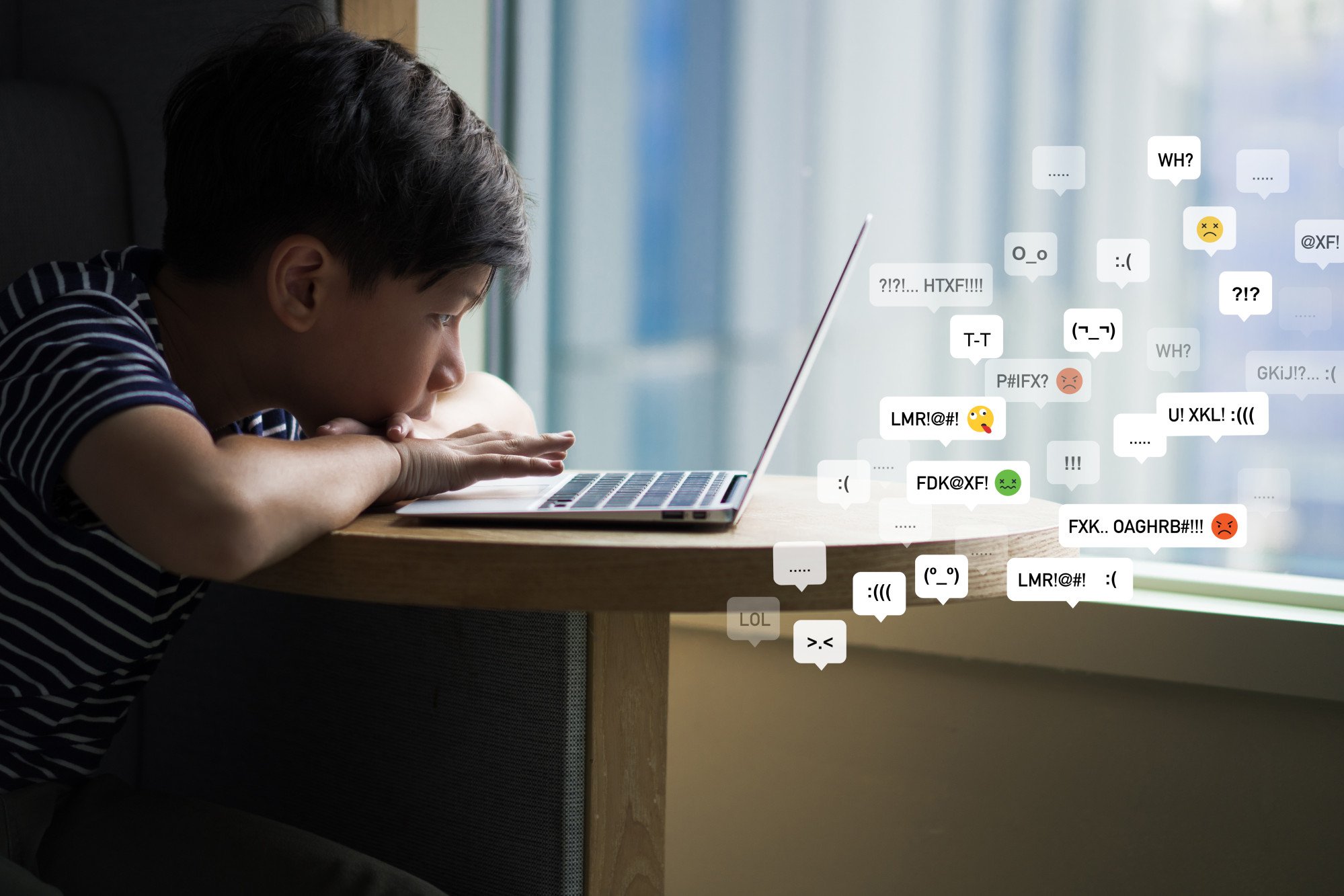
Psychiatrist Adrian Wang warns that excessive screen time can have serious consequences. “Too much screen time can expose teens to harmful content and online bullies, lead to addiction-like behaviors, disrupt academic performance, and worsen self-esteem issues through excessive social comparison,” he said.

Balancing Restrictions with Education
While some parents support these restrictions, others believe that education and open conversations are just as important as rules. Joanna Han, a 45-year-old housewife, has managed to limit her 16-year-old daughter’s phone use to one hour a day by setting clear boundaries and monitoring her device when necessary.
Recently, Han discovered that her daughter was being bullied after stumbling upon messages on her phone. “She was very moody and sad before her exams, and I didn’t know why until I saw the messages,” she said.
Experts suggest that while smartphone bans in schools are a positive step, prescriptive rules and harsh punishments may not be the best solution. Chew Han Ei, a senior research fellow at the Institute of Policy Studies, emphasized the importance of understanding what young people are doing online.
“If they are doomscrolling or cyberbullying, those are negative outcomes. But there are also stories of young people who find connection and support through social media—like indigenous youth, LGBTQ+ individuals, and those with disabilities,” Chew said. “We need to have conversations about acceptable and positive use of technology. The biggest gap now is that we don’t have enough of these discussions.”
A Call for Broader Solutions
Samer Elhajjar, a senior marketing lecturer at the National University of Singapore’s Business School, believes that Singapore is behind in addressing the issue of screen time. “This isn’t a sudden discovery. It’s more about institutions realizing the cost of inaction is too high to ignore,” he said.
Elhajjar argues that excessive screen time should be treated as a public health issue rather than a personal failing. He calls for a broader approach that includes regulating the digital environment and rethinking how technology is integrated into learning environments.
“Singapore has the capacity to lead globally in digital well-being, but it will require ambition beyond banning devices in classrooms. We need to rethink how we design learning spaces, how we integrate technology, and how we teach attention management in a world where everything competes for our focus,” he said.


Comments
Post a Comment