Dhaka's Air Remains Unhealthy
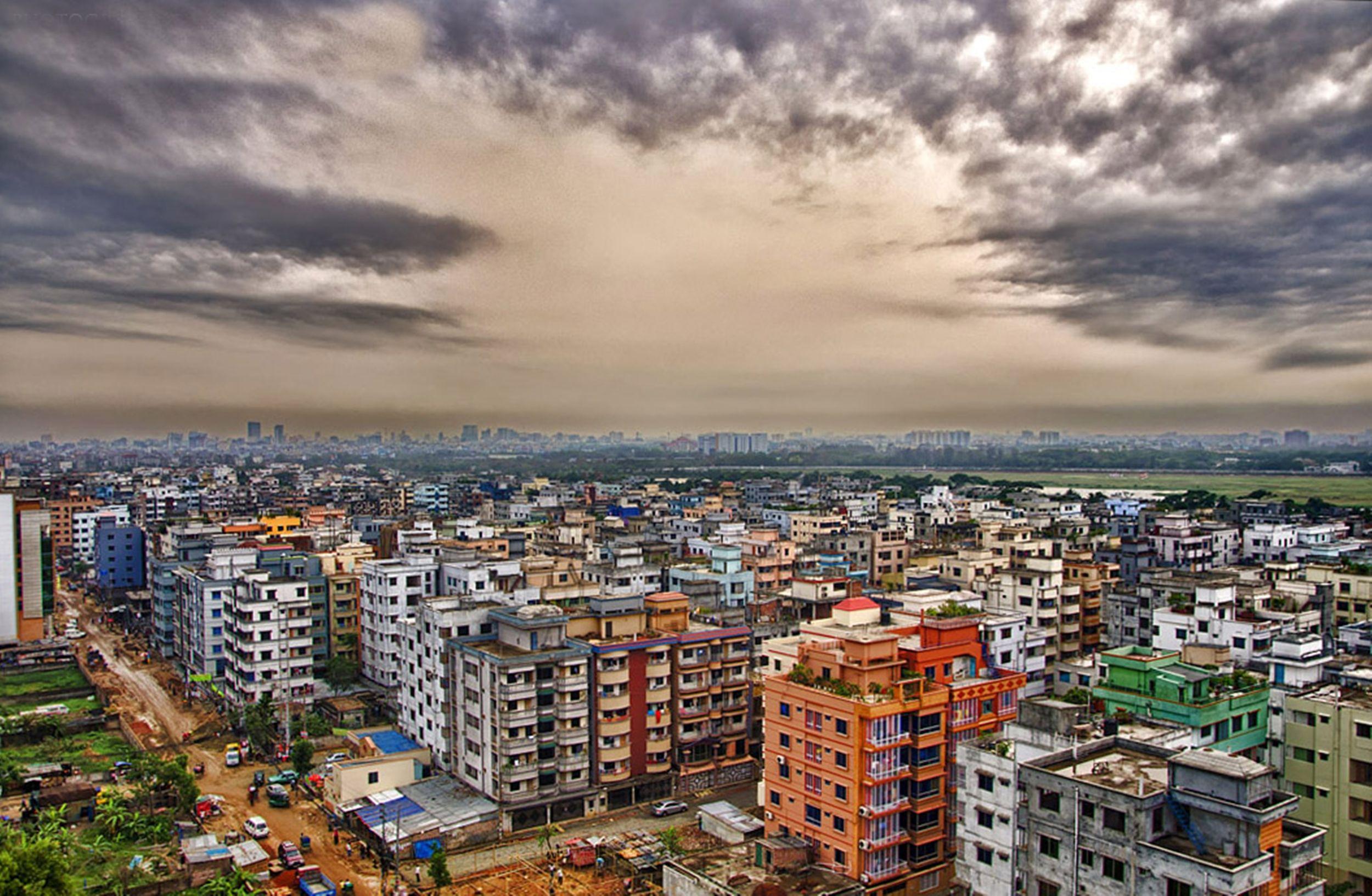
Dhaka Ranks Fifth in Global Air Quality Index
Dhaka has emerged as the fifth city globally with the worst air quality, according to the latest Air Quality Index (AQI) report. At 9:02 am this morning, the city recorded an AQI score of 169, which falls into the 'unhealthy' category. This ranking highlights the growing concern over air pollution in the capital of Bangladesh.
The AQI is a critical tool used to measure and communicate the quality of the air in different cities. It provides information on how clean or polluted the air is and what health risks might be associated with it. The index considers several pollutants, including particulate matter (PM10 and PM2.5), nitrogen dioxide (NO2), carbon monoxide (CO), sulfur dioxide (SO2), and ozone. These pollutants contribute to the overall air quality and can have severe impacts on public health.
In the current list of cities with the most polluted air, Pakistan's Lahore leads the pack with an AQI score of 360, followed by India's Delhi at 270, Kolkata at 189, and China's Beijing at 178. Dhaka's AQI of 169 places it just behind these cities, indicating that the air quality in the Bangladeshi capital is significantly worse than what is considered safe for human health.
According to the AQI classification system, when the value for particle pollution ranges between 50 and 100, the air quality is considered 'moderate'. If the value is between 101 and 150, it is categorized as 'unhealthy for sensitive groups', while a reading between 151 and 200 is classified as 'unhealthy'. Values from 201 to 300 are labeled 'very unhealthy', and anything above 301 is considered 'hazardous', posing serious health risks to residents.
Dhaka has long struggled with air pollution issues, particularly during the winter months when the air quality tends to deteriorate. However, the situation often improves during the monsoon season due to increased rainfall and wind patterns that help disperse pollutants.
Air pollution remains a global health crisis, with the World Health Organization (WHO) estimating that it causes approximately seven million deaths worldwide each year. These fatalities are primarily linked to conditions such as stroke, heart disease, chronic obstructive pulmonary disease, lung cancer, and acute respiratory infections. The impact of air pollution is not limited to urban areas but affects populations across all regions, highlighting the urgent need for effective mitigation strategies.
As cities like Dhaka continue to face challenges related to air quality, there is a pressing need for comprehensive policies and initiatives aimed at reducing emissions and improving public health outcomes. This includes promoting cleaner energy sources, enforcing stricter emission standards, and raising awareness about the dangers of air pollution.
Key Pollutants Affecting Air Quality
- Particulate Matter (PM10 and PM2.5): Tiny particles that can penetrate deep into the lungs and cause respiratory and cardiovascular problems.
- Nitrogen Dioxide (NO2): Emitted mainly from vehicle exhaust and industrial processes, it contributes to smog and respiratory issues.
- Carbon Monoxide (CO): A colorless, odorless gas that can be harmful when inhaled in high concentrations.
- Sulfur Dioxide (SO2): Released from burning fossil fuels, it can lead to respiratory problems and environmental damage.
- Ozone: A gas that forms when pollutants react in the presence of sunlight, leading to poor air quality and health risks.
Impact on Public Health
The health effects of prolonged exposure to polluted air are well-documented. Individuals living in areas with high AQI levels are at greater risk of developing chronic illnesses and experiencing premature death. Vulnerable populations, such as children, the elderly, and those with pre-existing health conditions, are particularly affected.
Efforts to combat air pollution require collaboration between governments, industries, and communities. By implementing sustainable practices and investing in green technologies, cities can work towards improving air quality and protecting public health.


Comments
Post a Comment