Exclusive: South Korea's Unregulated Genome Exports
The Growing Concern Over Overseas Export of Korean Genome Data
Genome data, which contains the totality of genetic information that can identify genetic characteristics, disease risks, and drug responses, is considered one of the most sensitive biometric data. However, recent developments have raised concerns about the potential misuse of this data as it is being exported overseas without proper oversight.
According to a response from the Ministry of Health and Welfare, obtained through a request by a People Power Party lawmaker, there has been no compilation or inspection of approvals and reports regarding the overseas export of human body information, including genomes, over the past five years. The ministry stated that there are no provisions in the Bioethics and Safety Act regarding the approval or reporting of the export of human body information, including genomes, overseas. This lack of regulation means that the government does not manage or supervise the overseas export of genome information due to the absence of relevant laws.
This situation contrasts with major countries that strictly manage and regulate the overseas leakage of genome information. The Ministry of Health and Welfare also mentioned that they do not have data on the status of foreign genome analysis companies, overseas bases where actual analysis is conducted, and the status of contract agreements with foreign genome analysis companies.

Chinese Novogene's Presence in Korea
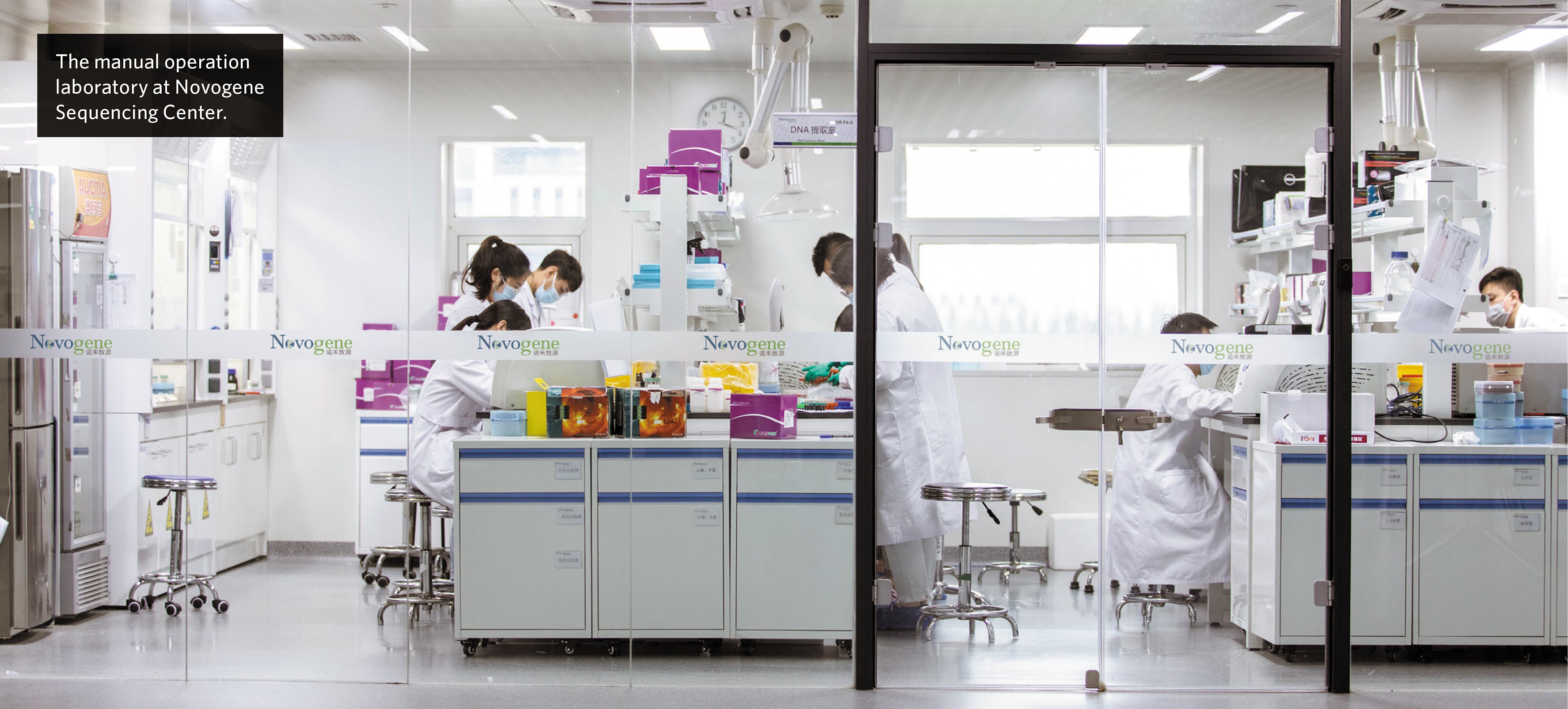
On the 17th, at the headquarters of the Korea Health Association in Hwagok-dong, Gangseo-gu, Seoul, a building housing various health-related organizations was found to include a Chinese genome analysis company. Novogene, one of the world’s top genome analysis service companies in terms of sales, entered the Korean market last June by establishing Novogene Korea. It has been controversial for winning genome analysis projects in Korea and sending the secured samples to its analysis centers in China and Singapore to perform genome analysis.
The Ministry of Health and Welfare, which has the authority to manage and supervise the Korea Health Association, was not even aware that Novogene Korea had moved into the association’s headquarters building. When Novogene established Novogene Korea as a subsidiary, concerns arose domestically about the overseas export of biometric information, but the competent ministry did not even identify the location of the office.
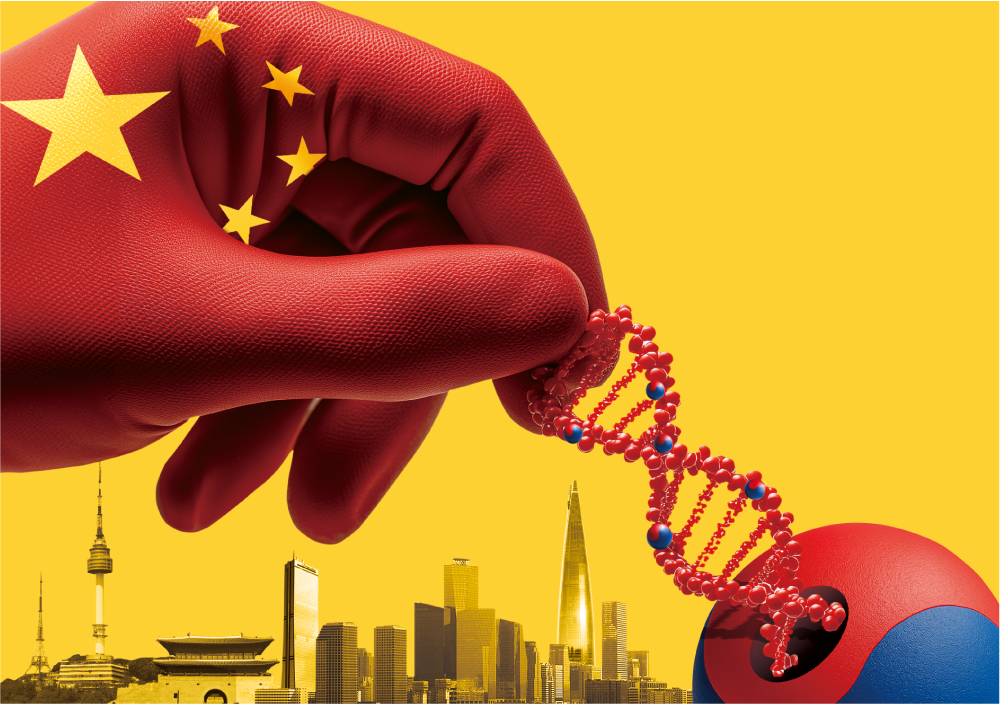
Novogene: 'Korean Genomes Analyzed in China'
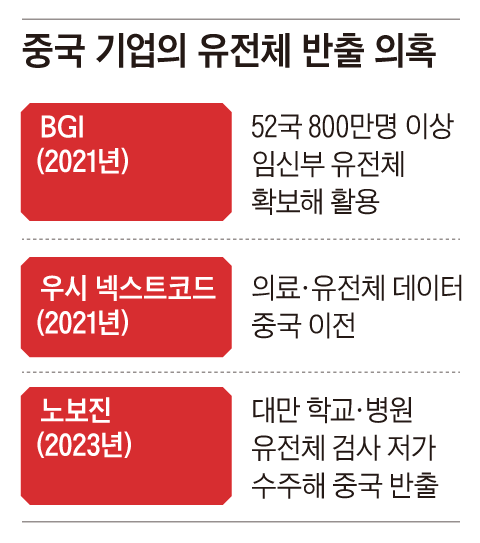
Novogene was founded in 2011 by Li Ruchang, who served as vice president at BGI (Beijing Genomics Institute), a genome analysis company. BGI has been accused of sharing genome data of over 8 million pregnant women from 52 countries with the Chinese People’s Liberation Army and is specified as a regulated company under the “Bio Security Act,” which the U.S. Congress is pushing to legislate.
In 2023, Novogene sparked controversy by winning genome testing projects at low prices from schools and hospitals in Taiwan and then exporting them to China. A lawmaker emphasized that the Korea Health Association is said to have accumulated vast medical data while handling about 10% of all national health screenings. They added that the promotion of the shared laboratory highlighted the potential for integrated research using this data.
Novogene's Response
In response, Novogene told this newspaper, “Samples collected in Korea are transported to Novogene facilities in China or Singapore for analysis,” and added, “There is no risk of personal information exposure as we do not collect or process individual genome data.” This means that the genomes analyzed in China are not distinguished on an individual basis. Regarding the move into the Korea Health Association building, they stated, “We do not have access to the association’s biological samples, health databases, or internal systems.”
The Need for Human Body Information Protection Law
The scientific community points out that even if genomes are not distinguished on an individual basis, as Novogene claims, the overseas export of biometric information itself is dangerous as it is directly related to national security. This is because securing a large amount of Korean biometric information allows for identifying diseases to which Koreans are vulnerable and developing new drugs to treat them. A situation where the country depends on foreign countries for treatment drugs, as seen during the COVID-19 pandemic, could occur. Genomes could also be misused in the development of bioweapons targeting Koreans.
Major countries strictly manage genomes. China designates genome information as a national strategic asset under the Human Genetic Resources Management Regulations and strictly regulates its overseas export as a subject of prior approval and security review. The United States, which issued an executive order restricting access by “countries of concern” to sensitive personal information such as genomes, announced specific implementation rules through the Ministry of Justice this year. The U.S. Department of Defense added Chinese genome analysis companies such as BGI and MGI to the “Chinese Military Companies” list last January. The European Union (EU) enacted the European Health Data Space (EHDS) regulation this year, beginning to strictly control the integrated management of biometric information, including genomes, by the state and their use for research through security regulations.
A People Power Party lawmaker said, “While overseas countries treat human body information, including genomes, as national strategic assets, our government is practically doing nothing, even neglecting to monitor overseas exports,” and added, “We must enact a law to protect the human body information of our citizens as soon as possible.”
Genome
The totality of all genetic information possessed by a living organism. It is the core foundation of precision medicine and bio-research, as it can identify an individual’s genetic characteristics, disease risks, drug responses, ancestry, and collective origins. It is also classified as highly sensitive information, regarded as a more precise “personal identifier” than fingerprints.


Comments
Post a Comment