Ominous Warning: World's Greatest Pest Evolves for New Victims
First Mosquito Sighting in Iceland Signals Major Ecological Shift
For the first time, mosquitoes have been detected in Iceland, marking a significant change in the global distribution of one of the world’s most dangerous pests. This development has raised concerns among scientists about the potential impact on both human health and local ecosystems.
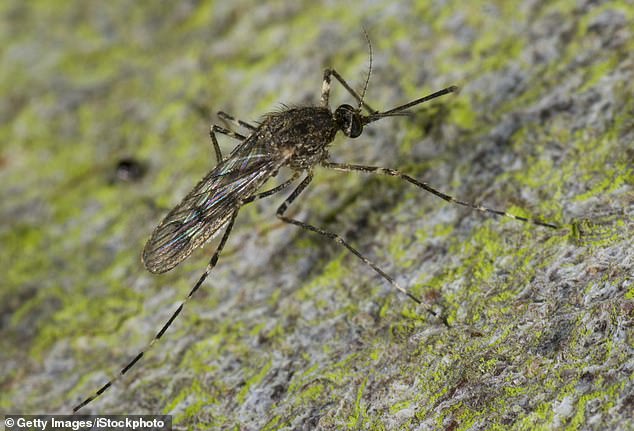
The discovery was made by insect enthusiast Björn Hjaltason in Kjós, who initially reported a "strange fly" on a Facebook group. Upon closer inspection, he identified it as a female mosquito. Entomologists at the Natural Science Institute of Iceland confirmed that three mosquitoes—two females and one male—were captured using red wine traps designed to attract moths.
This event is part of a broader trend linked to global warming. As Iceland experiences rising temperatures due to warm air flows from the south, the conditions are becoming more favorable for mosquitoes to survive and reproduce. Higher heat accelerates mosquito development, increases survival rates, and extends the mosquito season. Additionally, increased precipitation and humidity create ideal breeding grounds, contributing to population growth.
Potential Health and Ecological Risks
While Iceland has no history of mosquito-borne diseases such as malaria, dengue, or chikungunya, the presence of these insects raises concerns about future risks. Scientists warn that if pathogens are introduced, they could pose serious health threats.
The ecological implications are also significant. Mosquitoes may alter local ecosystems by providing a new food source for predators while competing with native insects for resources. Their arrival could disrupt the balance of the ecosystem, particularly in regions that have never encountered them before.
How Did Mosquitoes Reach Iceland?
The exact method by which the mosquitoes arrived in Iceland remains unclear. However, scientists speculate that they may have traveled aboard ships or hidden inside transported containers. Further monitoring will be needed in the spring to determine whether the species can survive the winter and become established in Iceland.
The mosquitoes identified are Culiseta annulata, a species known for its adaptability. They have exploited human-made water sources such as buckets, rain barrels, cisterns, and flowerpots to lay eggs in a region where natural stagnant water is scarce. Their life cycles are timed to take advantage of Iceland’s brief summer season, completing development quickly before colder months return.

Stealthy and Adaptable
These mosquitoes exhibit stealthy and opportunistic behavior. They feed mainly at dawn, dusk, and night, minimizing detection while reproducing effectively. Their eggs can also survive in hidden water sources for extended periods, allowing populations to expand quietly and persist through environmental challenges.
This combination of cold tolerance, reproductive flexibility, and stealthy feeding habits illustrates how the species is adapting to a previously hostile ecosystem. The ability of these mosquitoes to thrive in new environments highlights the ongoing evolution of these pests and their capacity to colonize previously inaccessible territories.
Role of Citizen Scientists
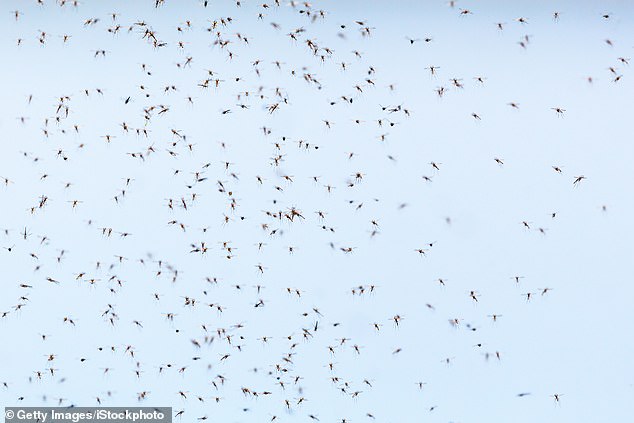
Citizen scientists have played a crucial role in monitoring the spread of mosquitoes. Hjaltason’s observation exemplifies how public reporting can help track populations and alert authorities to emerging threats. Apps like iNaturalist, Mosquito Alert, and NASA’s GLOBE Observer allow the public to contribute data on sightings, helping scientists document the insects’ ongoing adaptation and expansion.
Broader Implications of Climate Change
Iceland’s mosquito invasion underscores a larger global pattern: warming temperatures are enabling mosquitoes to survive in regions once considered safe. The species’ ability to exploit new habitats, reproduce efficiently, and survive harsher climates shows just how effectively it is evolving to colonize previously inaccessible territories.
As climate change continues to reshape the planet, the risk of mosquito-borne diseases spreading to new areas is increasing. This development serves as a reminder of the urgent need for heightened surveillance and preparedness in regions that were once thought to be free from such threats.


Comments
Post a Comment